

Listening & Culture
Examples of Ambient Nocturnal Soundscapes: A Guide
Discover captivating examples of ambient nocturnal soundscapes that evoke calm and inspiration. Explore immersive night sounds today!
By DRVVYN · · 9 min read
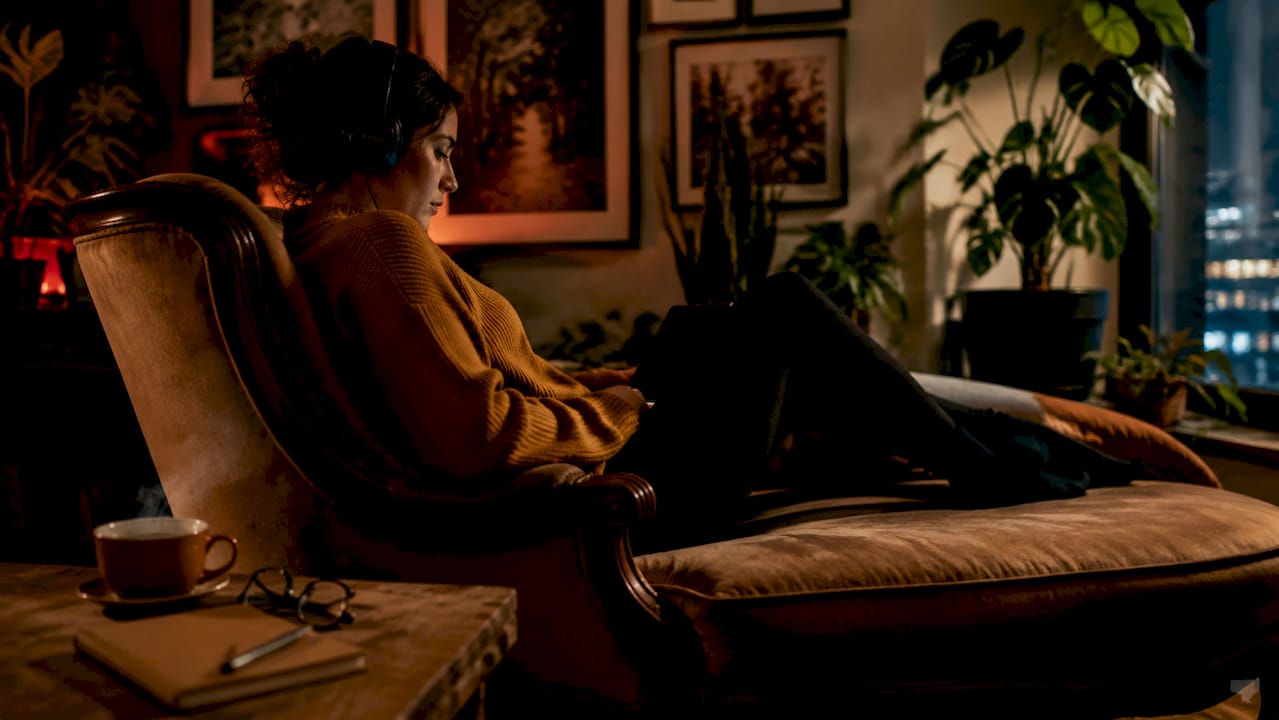
Ambient nocturnal soundscapes are immersive sound environments built from natural and synthetic night sounds, crafted to evoke calm, mystery, or creative inspiration. The best examples of ambient nocturnal soundscapes pull you into a living, breathing world where the pressure in your chest slowly releases and your mind finds space to wander. Repositories like Earth.fm and artists like Lang Elliott and Robin Dupuy have shaped what quality nocturnal audio looks and feels like. Whether you are a music enthusiast, a sound designer, or someone who simply needs the night to feel less sharp, these recordings offer something real.
1. What are examples of ambient nocturnal soundscapes?
Ambient nocturnal soundscapes are defined as layered audio environments recorded or composed from nighttime sounds, including biological calls, environmental textures, and atmospheric tones. The term “soundscape” in professional audio circles refers to the full acoustic ecology of a place, a concept developed by composer R. Murray Schafer. You will also hear the phrase “nature soundscapes at night” used interchangeably in field recording communities, though that phrase leans toward purely natural recordings rather than produced compositions.
The core value of these recordings is immersion. High-quality nocturnal recordings with spatial depth allow listeners to connect meditatively with ecosystems, which explains their popularity in relaxation and sound design. That connection is not accidental. It is built through careful microphone placement, patient recording sessions, and intentional mixing.
Examples span a wide range. You have pure field recordings like the Andean Amazon Dusk series, binaural headphone experiences like Mountain Brook Nightscape by Lang Elliott, artistic compositions like Nocturnal Resonance, and short ambient loops used in meditation apps. Each type serves a different listener and a different creative purpose.
2. Pure natural nocturnal soundscapes: field recordings from the wild
Natural ambient night sounds are recordings captured in real environments with minimal processing. The goal is acoustic truth. Frogs, owls, crickets, flowing water, and wind through leaves create a texture that no synthesizer fully replicates.
The Andean Amazon Dusk by Ponds recording on Earth.fm is one of the most cited examples in this category. It captures the transition from dusk to full night in the Amazonian lowlands, layering insect pulses with distant water and the occasional bird call. Preserving authentic natural soundscapes is critical as ecosystem destruction accelerates, and archives like Earth.fm support both research and underprivileged recordists who document these environments.
Mountain Brook Nightscape by Lang Elliott is another standout. Elliott built his reputation on balanced soundscape recordings where background ambience and primary animal sounds contribute equally to immersive depth. The brook provides a continuous low-frequency wash, while insects and frogs layer on top in rhythmic waves.
What makes a natural nocturnal recording worth your time:
- Spatial placement of sounds across the stereo field, not just left and right but near and far
- A continuous environmental bed, such as water, wind, or rain, that anchors the listener
- Biological sounds that follow natural timing rather than looped repetition
- Minimal human noise intrusion, no traffic, no aircraft, no mechanical hum
- Authentic transitions, like the shift from dusk chorus to deep-night quiet
Pro Tip:When choosing natural soundscape recordings for sleep or meditation, prioritize recordings labeled as single-take or unedited. These preserve the natural rhythm of biological sound cycles, which your nervous system recognizes as genuinely safe and calming.
3. Binaural and artistic nocturnal soundscapes: depth beyond stereo
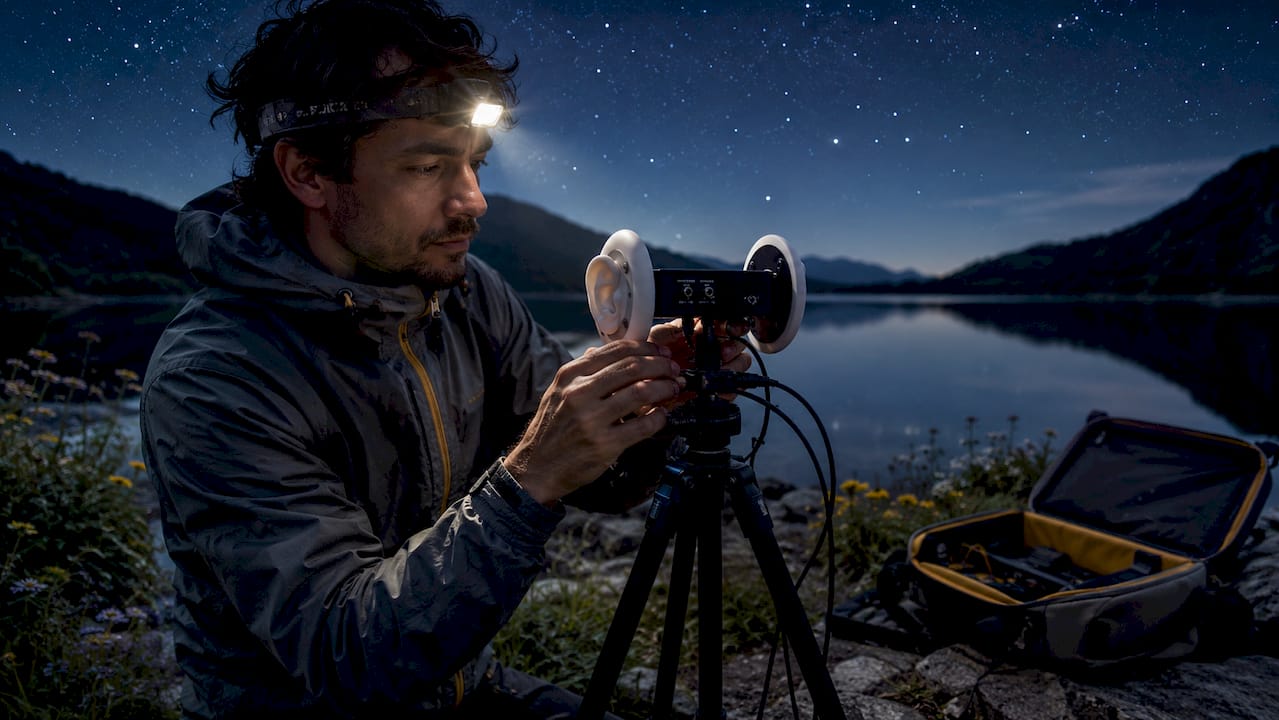
Binaural recording places two microphones at ear distance to simulate how human ears perceive space. The result, when played through headphones, places sounds around and behind you rather than just beside you. 3D binaural recordings require headphones to recreate spatial depth, significantly enhancing the immersive nocturnal audio experience.
Robin Dupuy’s Fuki Moonlight: Frog Chorus in the Rice Fields is the defining example of binaural nocturnal field recording. Dupuy recorded a frog chorus in Japanese rice fields using DPA 4560 microphones in 24-bit/48kHz WAV format, capturing the full spatial envelope of hundreds of frogs calling in organized rhythmic cycles. What makes this recording extraordinary is the conductor frog, a lead animal whose call initiates each chorus cycle. Dupuy identified this behavior and positioned his microphones to capture it as the acoustic center of the piece.
Advanced techniques push even further. Whispers and Shadows: Akigawa Night Ambisonics Binaural uses 3rd-order Ambisonics combined with headphone listening binaural processing to convert a full 3D sound field into a highly accurate stereo experience. This is the current ceiling of nocturnal audio immersion for consumer headphones.
Natural vs. artistic nocturnal soundscapes at a glance:
| Feature | Natural recordings | Artistic soundscapes |
|---|---|---|
| Processing level | Minimal, preserves raw capture | Layered, mixed, sometimes synthesized |
| Listening format | Stereo or binaural | Binaural, Ambisonics, or produced stereo |
| Best use | Sleep, meditation, nature study | Sound design, music production, VR |
| Key artists | Lang Elliott, Robin Dupuy | Miduno, ambient composers |
| File quality | 24-bit WAV preferred | Varies by release format |
4. Short-form ambient loops: the practical workhorse of night audio
Not every use case calls for a 15-minute field recording. Short ambient loops fill a specific and important role in meditation apps, game audio, and background sound design. Commonly distributed night ambient sound files for non-commercial use range from 1 to 3 minutes in MP3 192 Kbps format with sizes around 1.6–2.6 MB. That compact size makes them easy to embed in apps, websites, and digital products.
The Night Forest Ambience track from Orange Free Sounds is a textbook example. It combines chirping insects with a flowing stream, looping cleanly without an audible seam. For a sound designer building a mobile relaxation app, this format is more practical than a 24-bit WAV that takes 20 seconds to buffer.
Common formats and their best uses:
- MP3 192 Kbps loops (1–3 minutes): meditation apps, website backgrounds, casual listening
- 24-bit WAV recordings (10–30 minutes): professional sound design, music production, archival use
- Binaural WAV tracks (10–15 minutes): headphone listening, VR environments, immersive audio installations
- Ambisonics B-format files: spatial audio production, game engines like Unreal Engine and Unity
Pro Tip:For sleep applications, choose loops longer than 10 minutes or recordings with natural variation. Short loops that repeat every 90 seconds can disrupt sleep cycles because the brain detects the pattern and stays alert.
5. How to find quality nocturnal soundscapes online
Earth.fm is the most comprehensive starting point. The platform’s library exceeds 1,200 immersive recordings as of 2026, covering nocturnal environments from the Amazon to Japanese forests. Each recording includes location data, species notes, and wellbeing context, which makes it useful for both casual listeners and researchers.
Spotify hosts curated playlists of relaxing night soundscapes that aggregate tracks from multiple artists. Artists like Niclas W. appear regularly in these playlists, offering accessible chill ambient soundscapes for listeners who want nighttime ambiance without committing to a deep archive search. YouTube channels dedicated to nocturnal ambience, such as those featuring 8-hour rain and forest loops, serve a massive audience looking for best ambient sounds for night without any subscription.
For sound designers and music producers, Bandcamp is the most valuable resource. Robin Dupuy’s catalog on Bandcamp includes high-resolution binaural recordings with detailed liner notes. Miduno’s releases offer Ambisonics-processed nocturnal recordings that work directly in spatial audio pipelines.
Repository comparison for finding nocturnal soundscapes:
| Platform | Content type | Access | Best for |
|---|---|---|---|
| Earth.fm | Pure nature recordings | Free and subscription | Relaxation, research, archival |
| Bandcamp | Artistic and field recordings | Pay per track or album | Sound design, music production |
| Spotify | Curated playlists | Subscription or free tier | Casual listening, mood playlists |
| YouTube | Long-form loops and mixes | Free | Background ambience, sleep |
| Orange Free Sounds | Short loops, MP3 format | Free, non-commercial | App development, quick projects |
Key takeaways
The most effective ambient nocturnal soundscapes combine spatial depth, biological authenticity, and the right format for their intended use.
| Point | Details |
|---|---|
| Natural recordings anchor the category | Artists like Lang Elliott and Robin Dupuy set the standard for authentic, immersive nocturnal audio. |
| Binaural and Ambisonics raise the ceiling | 3rd-order Ambisonics with headphone listening binaural processing delivers the deepest spatial immersion available. |
| Format determines function | Short MP3 loops suit apps and casual use; long 24-bit WAVs serve professional sound design and archival needs. |
| Earth.fm leads for discovery | With 1,200+ recordings, it is the most thorough free and subscription repository for nocturnal soundscapes. |
| Ecological value is real | Archiving natural soundscapes preserves acoustic ecosystems threatened by habitat loss and human noise. |
Why nocturnal soundscapes hit differently at 2 a.m.
There is something specific that happens when you put on a well-recorded frog chorus at night. The room you are sitting in stops being the loudest thing in your awareness. That shift is not a trick. It is the result of spatial audio doing exactly what it was designed to do: relocating your sense of presence.
What I find most underappreciated in conversations about ambient night sounds is the ecological layer. When Robin Dupuy identifies a conductor frog in a rice field chorus and builds an entire recording around that animal’s timing, he is documenting a behavior that may not exist in 50 years. That weight sits inside the recording whether you consciously notice it or not. Listeners feel it as depth, as something that cannot be faked with a synthesizer.
For sound designers, the practical lesson is this: the recordings that hold attention longest are the ones with internal movement. A static loop of crickets fades into the background in minutes. A recording where the chorus swells, pauses, and reorganizes keeps your nervous system gently engaged. That engagement is the difference between a track that works and one that just plays.
If you are building a nocturnal soundscape from scratch, start with a real environmental bed. Record or license a flowing water or wind texture as your foundation. Layer biological sounds on top with attention to distance and direction. Then leave space. The silence between calls carries as much emotional weight as the calls themselves.
— DRVVYN
Explore nocturnal soundscapes through Drvvynsound
If these examples sparked something in you, whether you are chasing a feeling for a creative project or just need the night to feel more alive, Drvvynsound has you covered.
Drvvynsound curates immersive audio experiences that blend emotional storytelling with atmospheric sound design. The DRVVYN Essentials collection brings together ambient, nocturnal, and cinematic audio built for listeners who want more than background noise. Whether you are a music enthusiast looking for inspiration or a sound designer searching for a creative spark, the catalog offers a direct path into the kind of nocturnal audio that actually moves you.
FAQ
What are the best examples of ambient nocturnal soundscapes?
The strongest examples include Robin Dupuy’s Fuki Moonlight binaural frog chorus, Lang Elliott’s Mountain Brook Nightscape, and the Andean Amazon Dusk series on Earth.fm. Each represents a distinct approach: binaural field recording, balanced natural capture, and archival ecosystem documentation.
Do I need headphones to enjoy nocturnal soundscapes?
Headphones are required for binaural and Ambisonics recordings to experience the full spatial effect. Standard stereo recordings and short ambient loops work on speakers, but the immersive depth of 3D binaural audio is only accessible through headphones.
How long should a nocturnal soundscape be for sleep?
Recording durations vary by purpose: short loops of 1–3 minutes work for apps and quick relaxation, but sleep use benefits from recordings of 10 minutes or longer with natural variation to prevent the brain from detecting and tracking a repeating pattern.
Where can I find free nocturnal soundscape recordings?
Earth.fm offers free access to a large portion of its 1,200+ recording library. Orange Free Sounds provides short MP3 loops for non-commercial use. YouTube hosts thousands of long-form nocturnal ambient mixes at no cost.
What file format is best for professional sound design?
24-bit WAV recordings at 48kHz are the professional standard for sound design and music production. Ambisonics B-format files are preferred for spatial audio pipelines in game engines like Unreal Engine and Unity.