

Listening & Culture
Why R&B Evolved After 2010, and What Changed in the Sound
Why R&B Evolved After 2010, and What Changed in the Sound
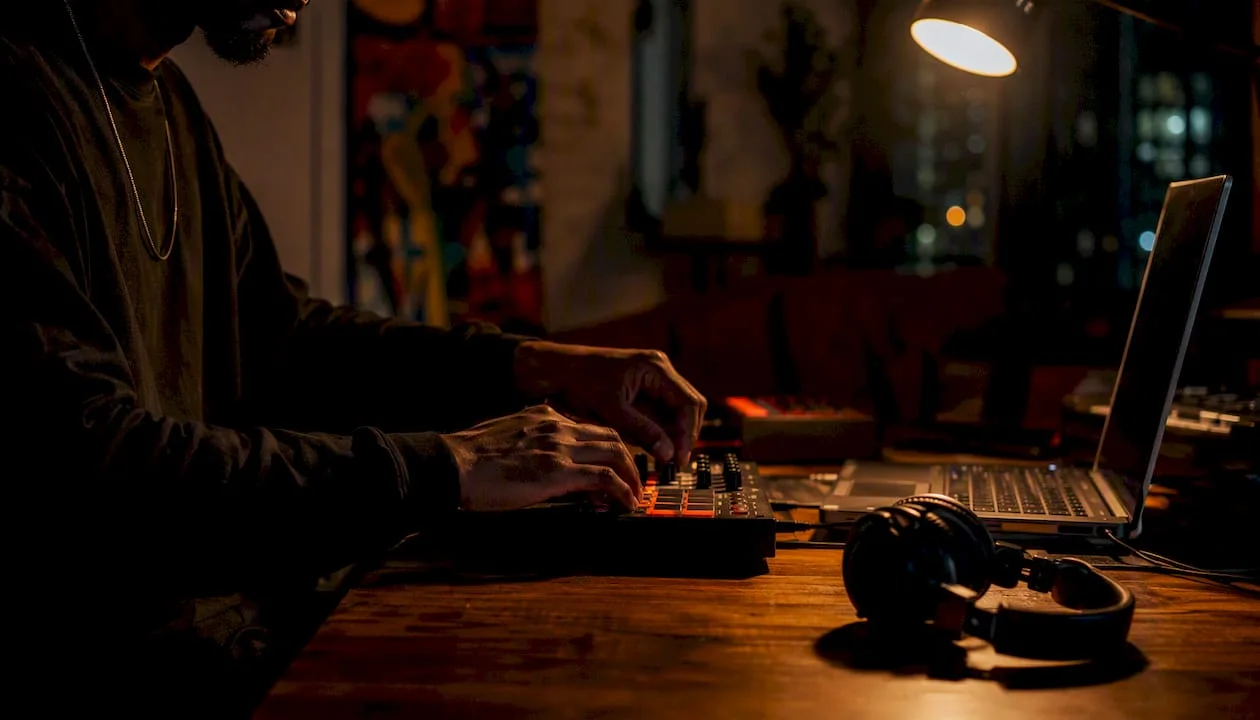
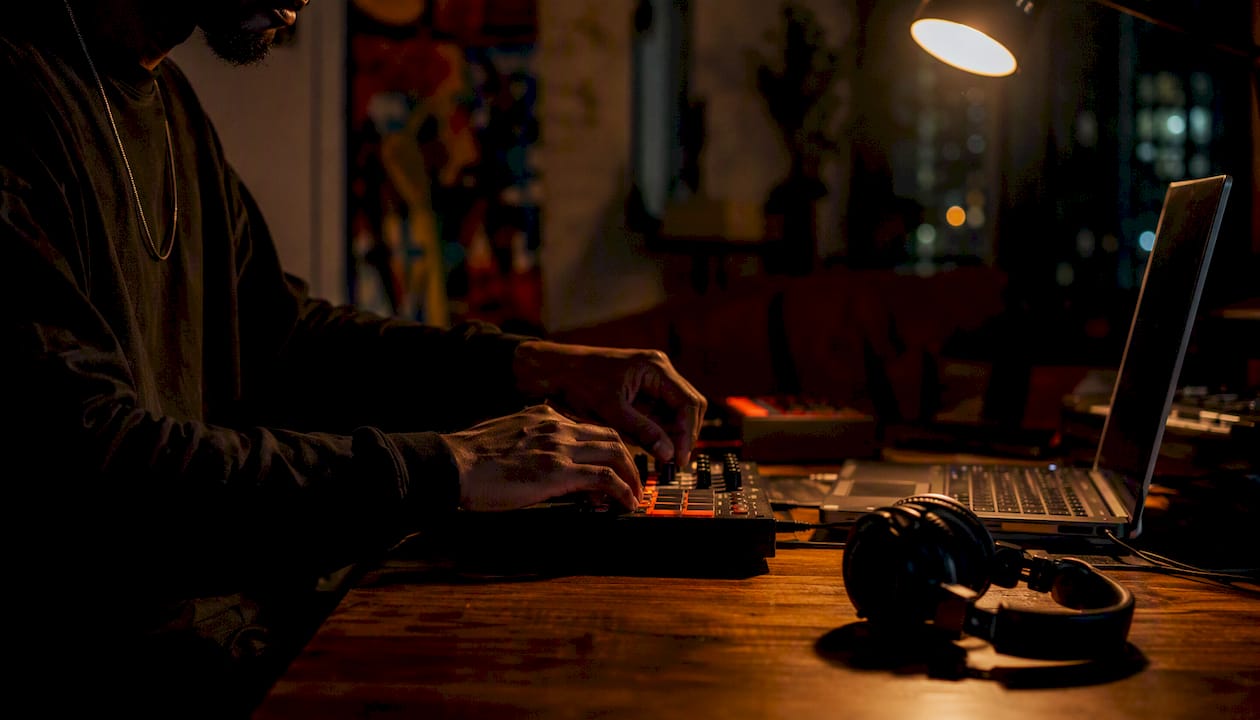
! Hands adjusting MIDI controller in bedroom studio
R&B changed after 2010 because four forces hit the genre at once: cheap, powerful home production tools, streaming economics that reward moody singles over glossy albums, deep cross-pollination with hip-hop and electronic music, and a cultural turn toward interiority, identity, and emotional honesty over performance.
By DRVVYN · · 16 min read
Why R&B Evolved After 2010, and What Changed in the Sound
R&B changed after 2010 because four forces hit the genre at once: cheap, powerful home production tools, streaming economics that reward moody singles over glossy albums, deep cross-pollination with hip-hop and electronic music, and a cultural turn toward interiority, identity, and emotional honesty over performance. The result was a quieter, stranger, more intimate genre than the one that dominated the 2000s. If you want to hear the shift in real time, sit with three records: Frank Ocean’s Channel Orange, The Weeknd’s House of Balloons, and Solange’s A Seat at the Table. Each one abandons the polished, radio-ready R&B formula for something more private and unresolved.
The technical name for this shift, the one critics and musicologists actually use, is Alternative R&B, sometimes shortened to PBR&B. The Guardian traced its emergence to artists like Frank Ocean and Miguel reacting against EDM-soaked, over-produced pop-R&B in the early 2010s. What they built instead leaned on:
- Home-studio production that replaced expensive studio sessions with a laptop and a good vocal chain
- Streaming and playlist algorithms that rewarded mood and hooks over full-album arcs
- Hip-hop, trap, and electronic textures folded directly into R&B’s chord vocabulary
- A cultural shift toward vulnerability, ambiguity, and identity over romance-as-performance
- Global sounds, Afrobeats rhythm patterns and Latin production techniques, entering the mix
An acoustic analysis of vocal recordings across eras found measurable increases in onset density, syncopation, and pitch spread when comparing pre-sampling R&B to the contemporary Auto-Tune era. That’s not a matter of taste. It’s a documented change in how vocals move rhythmically and melodically, and it lines up almost exactly with the Carnegie Hall genre timeline, which marks the 2000s and 2010s as the period when R&B absorbed hip-hop and electronic elements at scale.
Key Takeaways
R&B evolved after 2010 because home production technology, streaming economics, cross-genre fusion, and a cultural turn toward vulnerability converged to reward smaller, more intimate, identity-driven music over polished performance.
| Point | Details |
|---|---|
| Technology drove the sound | DAWs and home studios let artists build sparse, intimate arrangements without label budgets. |
| Streaming rewarded mood | Playlist algorithms favored consistent, hook-forward singles over full album arcs. |
| Genre lines blurred | Trap drums, EDM textures, and Afrobeats rhythms folded directly into R&B’s core vocabulary. |
| Culture turned inward | Vulnerability, identity, and explicit honesty replaced performance-driven romantic themes. |
| Listen for the shift yourself | Compare The Weeknd’s “House of Balloons” against a 2005 R&B ballad and count vocal density per bar. |
Table of Contents
- Why Did R&B Change After 2010? The Core Drivers
- How Did Production and Vocal Techniques Actually Change?
- What Themes and Aesthetics Define Post-2010 R&B?
- Which Artists and Albums Defined the Post-2010 Shift?
- How Did Streaming and Playlists Reshape R&B’s Business Model?
- A Timeline of R&B’s Post-2010 Turning Points
- What Do Producers Actually Do Differently in the Studio Now?
- How Does Post-2010 R&B Compare to What Came Before?
- How Did Culture, Race, and Gender Shape R&B’s New Direction?
- What This Era Gets Right, and What It Still Owes Listeners
- Ready to Hear the Shift for Yourself?
- Frequently Asked Questions
- Sources
Why Did R&B Change After 2010? The Core Drivers
The shift wasn’t one clean cause. It was several systems changing at the same time, each pushing the sound in a compatible direction.
Production technology mattered first. Digital audio workstations and affordable plug-ins meant an artist with a bedroom setup could produce a track that competed sonically with a major-label session. Harvard Business School’s analysis of DAW democratization argues this shifted real power away from labels and toward the artists who controlled their own recording chain. Distribution changed just as fast. Streaming platforms don’t sell albums, they surface tracks, and playlist curation rewards a specific kind of song: one with an immediate mood, a strong hook inside the first thirty seconds, and enough sonic space to sit comfortably next to ten other tracks in a “late night vibes” playlist.
Genre mixing accelerated because the tools that made trap hi-hats and EDM synth pads accessible to hip-hop producers were the same tools available to R&B producers. Once 808 patterns and half-time trap drums became standard vocabulary, R&B singers started phrasing over them instead of over live bands. And running underneath all of it was a cultural shift. Listeners, especially younger ones, wanted music that sounded like a diary entry, not a stage show.
| Driver | Mechanism | Musical Effect |
|---|---|---|
| Home production/DAWs | Artists self-produce without label studio budgets | Sparser, more idiosyncratic arrangements |
| Streaming/playlists | Algorithms favor mood-consistent singles | Hook-first songwriting, shorter intros |
| Genre cross-pollination | Trap, EDM, and Afrobeats tools enter R&B workflow | New rhythmic pockets, half-time grooves |
| Cultural shift to interiority | Audiences reward vulnerability over spectacle | Confessional lyrics, quieter vocal deliveries |
The Library of Congress overview of rhythm and blues frames R&B as less a fixed sound than a marketing umbrella for Black popular music that has always absorbed whatever technology and culture handed it. Post-2010, that umbrella stretched to cover something genuinely strange by 2000s standards: hushed, half-sung vocals over trap drums and synth pads, built in a bedroom, released as a single, and pushed by a playlist algorithm rather than a radio programmer.
How Did Production and Vocal Techniques Actually Change?
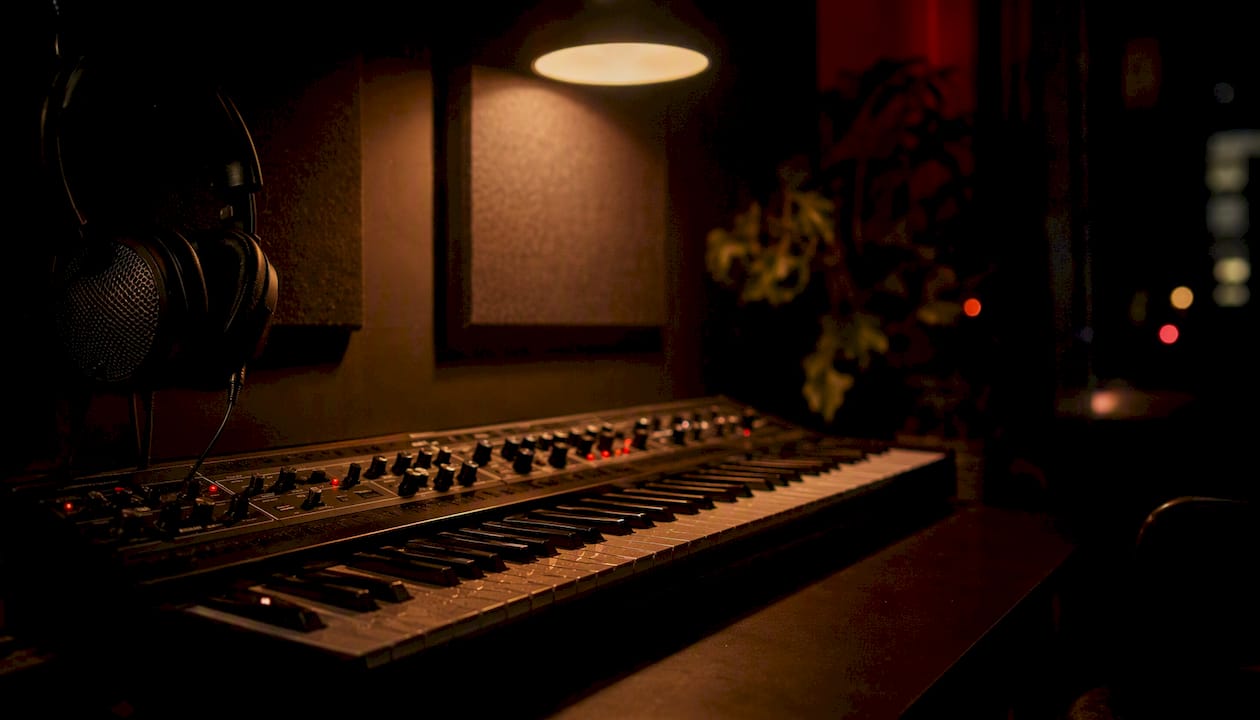
Full, orchestrated arrangements gave way to something sparser and more atmospheric. Where 2000s R&B often stacked live instrumentation, horn sections, and layered background vocals, the post-2010 palette favors negative space: a single synth pad, a muted 808, a vocal that sits close to the mic with almost no reverb tail. Producers chose that palette because it does two things at once. It makes the vocal feel confessional rather than performed, and it leaves room for the track to breathe inside a late-night streaming playlist stacked with similarly minimal songs.
Auto-Tune deserves a more careful explanation than “artists cheat now.” Pitch correction became an aesthetic choice, not a corrective one. Producers use it to create a glassy, slightly inhuman vocal texture, a deliberate effect that signals mood rather than hiding a bad take. The acoustic study on vocal aesthetics found that pitch spread and onset density both rose measurably in the Auto-Tune era compared to earlier periods, meaning vocal lines move faster and cover more melodic ground even as the tone itself gets smoothed out. The same DOI acoustic analysis also noted a generational split: younger listeners tend to hear processed vocals as expressive rather than artificial, while older listeners often hear the opposite.
Then vs. now, in the studio:
- Tempo: mid-tempo grooves built for dancing → slower, rubato-leaning tempos built for headphones
- Onset density: fewer vocal entries per bar → denser, faster-moving vocal phrasing
- Syncopation: steady backbeat-driven rhythm → loose, trap-influenced syncopation against half-time drums
- Vocal stacking: thick harmony stacks and ad-libs → single, close-mic’d lead vocals with minimal doubling
- Reverb and timbre: lush, hall-style reverb → dry, intimate, almost whispered vocal treatment
| Acoustic Measure | Pre-sampling era | Contemporary Auto-Tune era |
|---|---|---|
| Onset density | Lower | Higher |
| Syncopation | Steadier, backbeat-driven | Looser, more syncopated |
| Pitch spread | Narrower melodic range | Wider melodic range |
Pro Tip:If you want to hear onset density in action, A/B a 2006 Mary J. Blige ballad against a Frank Ocean track from Channel Orange. Count how many times the vocal line moves within a single bar. The difference is audible within ten seconds.
What Themes and Aesthetics Define Post-2010 R&B?
Pre-2010 R&B leaned heavily on romantic performance: seduction anthems, breakup power ballads, and party tracks built for a specific emotional register aimed squarely at the dance floor or the bedroom, but rarely both at once with ambiguity. Post-2010 R&B abandoned a lot of that certainty. Frank Ocean’s Channel Orange sits inside memory and disorientation more than seduction. Miguel’s early 2010s work blurred desire and self-destruction into the same verse.
That ambiguity extends to gender and desire too. H.E.R. built a persona around anonymity and emotional directness rather than glamour. Solange’s A Seat at the Table folded Black identity, generational trauma, and quiet rage into a soul record that sounds nothing like a “sell” anthem. TIDAL’s critical framing calls this the “interior gaze,” a mood-driven, late-night aesthetic built for headphones and phone screens rather than a stage.
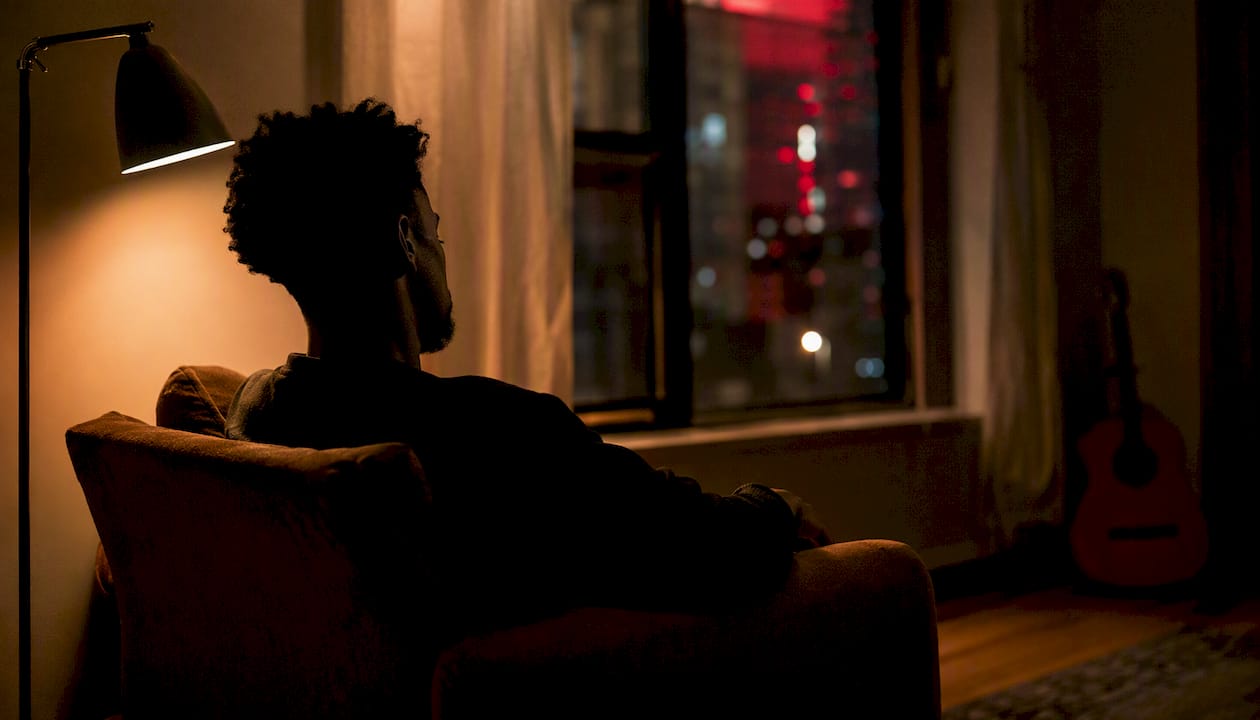
The packaging changed to match. Mood-focused visualizers replaced narrative-heavy music videos. Instagram aesthetics, moody color grading, close crops, minimal text, reinforced the same hushed, private feeling as the production itself. Lyrics also got more explicit and more direct about sex, substance use, and mental health. AP News reported that a growing share of charting R&B tracks now require explicit content labeling, a shift that reflects R&B competing more directly with hip-hop’s lyrical bluntness than it did a generation ago.
Pro Tip:Listen for the difference between a “hook” and a “confession.” Post-2010 R&B often buries its most vulnerable line mid-verse rather than in the chorus, almost as if the artist doesn’t want you to catch it the first time through.
Which Artists and Albums Defined the Post-2010 Shift?
- Frank Ocean reoriented the genre around narrative ambiguity and genre-blurring production. Channel Orange (2012) remains the clearest single document of the shift, especially the shifting perspective and analog warmth of “Pyramids.”
- The Weeknd brought a druggy, minor-key nocturnal sound into the mainstream. House of Balloons (2011) set the template for what critics now call “trap-soul,” with reverb-drenched vocals over sample-based beats.
- Miguel fused rock guitar textures and falsetto vulnerability into R&B’s core vocabulary. “Adorn” (2012) shows how a stripped, almost lo-fi arrangement could still top the charts.
- H.E.R. stripped identity and image away from the songwriting itself, letting the guitar and vocal carry the emotional weight. Her early EPs favor unplugged intimacy over studio polish.
- Solange used A Seat at the Table (2016) to fold jazz phrasing, spoken-word interludes, and explicit racial commentary into R&B’s structure, widening what the genre was allowed to say.
- Khalid brought a suburban, Gen Z voice to alt-R&B, and “Location” (2016) shows how a bedroom-recorded demo could become a platinum single without ever passing through a traditional label pipeline.
For a deeper catalog of artists carrying this sound forward, DRVVYN Sound’s guide to emerging alternative R&B sounds profiles newer acts extending the same production instincts.
How Did Streaming and Playlists Reshape R&B’s Business Model?
Streaming didn’t just change how fans listen. It changed what got made in the first place. When a playlist algorithm decides whether a song lives or dies in its first thirty seconds, producers stop building slow-burn intros and start front-loading the hook. Mood-based curation, “chill R&B,” “late night,” “sad hours,” rewards songs with a consistent emotional temperature from start to finish, which nudges artists toward the sparse, atmospheric palette discussed earlier almost as a business necessity, not just an aesthetic one.
Home production tools compounded that shift by cutting out the gatekeeper entirely. An artist could record, mix, and release a track without ever stepping into a commercial studio or signing a deal. SoundCloud and mixtape-era blogs became the discovery layer that replaced radio programmers. YAMS Magazine’s account of the “rise of ALT&B” documents how artist-driven mixtapes and blog coverage let acts build cult audiences years before mainstream labels took notice, a pattern that repeated across dozens of alt-R&B careers through the mid-2010s.
That said, distribution access alone doesn’t guarantee longevity. Recent analysis of AI-generated R&B projects reaching streaming charts found that algorithmic reach without a real artist identity behind it tends to produce short-lived attention rather than a durable fan base. The lesson from the 2010s holds: distribution changes who can release music, but songwriting and identity still decide who people keep listening to.
| Distribution Shift | Business Consequence |
|---|---|
| Playlist-first discovery | Singles strategy replaces album-cycle marketing |
| Home-studio releases | Lower cost per release, faster iteration |
| SoundCloud/mixtape culture | Cult audiences built pre-label, without gatekeeping |
A Timeline of R&B’s Post-2010 Turning Points
- 2010 to 2013: Alt-R&B mixtapes surface as a distinct movement. The Weeknd’s House of Balloons and early Frank Ocean material establish the nocturnal, sample-heavy template that critics would later formalize as PBR&B.
- 2013 to 2016: Alt-R&B crosses into the mainstream. Channel Orange wins critical acclaim, Miguel and Solange push identity-forward songwriting into chart-facing releases, and the Carnegie Hall timeline marks this stretch as the point where hip-hop fusion becomes standard rather than experimental.
- 2016 to 2020: Trap-soul solidifies as its own subgenre. Solange’s A Seat at the Table and Khalid’s breakout releases show the sound reaching both critical and commercial peaks simultaneously.
- 2020 to 2026: Production tools democratize further, global sounds, Afrobeats rhythm structures, Latin production techniques, and AI-assisted tools enter the workflow, though industry analysis suggests that human songwriting and identity remain the deciding factor for which artists actually build lasting audiences.
What Do Producers Actually Do Differently in the Studio Now?
Walk into a session built for this sound and you’ll notice what’s missing before you notice what’s there. Low end gets treated with restraint, a sub-bass and a kick that rarely fight for the same frequency space, rather than a wall of layered bass instruments. Vocal chains favor a tight compressor, minimal reverb, and pitch correction dialed in as a texture rather than hidden as a fix. Arrangement choices often automate filter sweeps and reverb sends across a song’s structure instead of adding new instrumental layers, which keeps the track feeling sparse even as it builds.
A quick listening checklist for spotting these choices:
- Listen for how close the lead vocal sits to the mic, dry and intimate rather than washed in reverb
- Count instrumental layers during the chorus versus the verse
- Notice whether the drums sit in half-time against the vocal’s actual rhythmic pace
- Pay attention to whether the hook arrives inside the first thirty seconds
DRVVYN’s own catalog work leans on these same instincts: building arrangements around space rather than density, and treating pitch processing as a color choice tied to a song’s emotional register rather than a default setting.
Space in a mix is not empty. It’s where the listener’s own feelings get room to land.
Pro Tip:When mixing a vocal for this style, automate the reverb send to increase only on the last word of a phrase. It creates the sense that a thought is trailing off, which is exactly the emotional effect most post-2010 R&B vocals are built around.
How Does Post-2010 R&B Compare to What Came Before?
R&B before 2010 was, broadly, a genre built for public consumption: radio singles, wedding playlists, arena tours, and vocal performances designed to showcase range and power. Think of the big, sustained belted notes and lush horn arrangements that defined much of 1990s and 2000s R&B. The genre’s emotional register skewed toward triumph, seduction, or heartbreak delivered with theatrical confidence.
What followed after 2010 inverted several of those assumptions without abandoning R&B’s core vocabulary of soul, groove, and vocal expressiveness. Arrangements got smaller. Vocal deliveries got quieter and more conversational. The audience shifted from a shared, public listening experience, the radio, the club, toward a private one, headphones, a late-night playlist, a phone screen at 1 a.m. That’s not a minor stylistic tweak. It’s a different relationship between artist and listener, one built around intimacy rather than spectacle. The Carnegie Hall history of the genre frames this as consistent with R&B’s whole history: the genre has never had one fixed sound, only a recurring habit of absorbing new technology and reinventing its emotional register every decade or so.
How Did Culture, Race, and Gender Shape R&B’s New Direction?
The post-2010 shift toward vulnerability didn’t happen in a cultural vacuum. It tracked alongside broader conversations about mental health, masculinity, and Black identity that were reshaping American culture more generally during the same years. Male R&B artists, Frank Ocean chief among them, started writing about depression, disorientation, and same-sex desire with a directness that would have been unusual on a 2005 R&B radio single. Ocean’s own public statement about his sexuality alongside Channel Orange’s release became part of the album’s cultural weight, not a separate story from it.
Gender dynamics shifted too. Solange and H.E.R. built entire careers on refusing the hyper-glamorized, hyper-sexualized presentation that had defined much commercial R&B marketing in prior decades. Solange’s A Seat at the Table addressed Black womanhood, generational trauma, and racial exhaustion directly, in a genre that had historically kept those topics at arm’s length from its biggest commercial singles. That willingness to speak plainly about race and identity, rather than folding it into metaphor, marks one of the clearest lines between pre-2010 and post-2010 R&B songwriting.
These cultural shifts and the production changes reinforced each other. Sparse, intimate arrangements gave lyrics about depression, identity, and racial fatigue room to land without competing against a busy instrumental bed. The sound and the subject matter evolved together, not separately.
What This Era Gets Right, and What It Still Owes Listeners
The post-2010 shift toward introspection produced some of the most emotionally honest R&B ever recorded, and Drvvynsound builds its own catalog directly inside that lineage: sparse arrangements, close vocal intimacy, and lyrics that sit with discomfort instead of resolving it too neatly. What gets underestimated in most accounts of this era is how much of the shift was economic before it was artistic. Playlist algorithms and home-studio affordability didn’t just enable a new sound, they made the old one, expensive, glossy, album-cycle-driven R&B, harder to justify financially for anyone without major-label backing. The aesthetic followed the incentives more than critics like to admit.
The gap worth watching now is the one between AI-assisted production and durable artistry. Tools that democratized home recording in the 2010s are being followed by tools that can generate full vocal performances without a human voice at all, and early evidence suggests reach without identity fades fast. Readers who want to go deeper on how this sound actually gets built can explore DRVVYN Sound’s explainer on the alternative R&B genre, which traces the production and songwriting choices covered here in more detail.
Ready to Hear the Shift for Yourself?
If everything above made sense on paper but you haven’t sat with it yet, start with a single listening session built around contrast. DRVVYN Sound’s Alternative R&B genre guide walks through the production techniques behind this sound in depth, and pairs naturally with a direct listen to how those choices land in a finished track. DRVVYN’s own release, Glass Veins, builds its arrangement around exactly the sparse, close-mic’d intimacy this article has been describing, close vocal presence, restrained low end, and space left deliberately empty for the listener’s own feelings. It’s a useful next stop if you want to hear these ideas rather than just read about them.
Frequently Asked Questions
Why did R&B change so much after 2010?
R&B evolved after 2010 because home production technology, streaming’s playlist-driven economics, hip-hop and electronic cross-pollination, and a cultural shift toward emotional honesty all pushed the genre toward sparser, more intimate music.
What is Alternative R&B?
Alternative R&B, often shortened to PBR&B, is the term critics use for the post-2010 movement that favored introspective lyrics, atmospheric production, and electronic experimentation over the polished, EDM-influenced pop-R&B that preceded it.
Which artists best represent the post-2010 R&B shift?
Frank Ocean, The Weeknd, Miguel, H.E.R., Solange, and Khalid are the artists most consistently cited for defining the era’s sound and songwriting approach.
Did streaming really change how R&B sounds?
Yes. Playlist algorithms reward mood-consistent, hook-forward singles, which pushed producers toward sparser arrangements and front-loaded hooks rather than slow-building album tracks.
Is Auto-Tune used differently in modern R&B than it used to be?
Producers now use pitch correction as a deliberate texture, creating a glassy, expressive vocal effect, rather than only as a corrective tool for pitch accuracy.
Sources
- Technological Transformation of Vocal Aesthetics (2025 DOI acoustic study)
- AP News — Trend toward explicit music labeling (2023)
- The Guardian — How R&B got its groove back (2015)
- Carnegie Hall timeline — R&B genre history
- HBS/RCTOM — A studio in every home: DAWs and democratization