

Listening & Culture
Moody After-Hours Tracks: Best Examples for Late Nights
Discover examples of moody after-hours tracks perfect for late-night relaxation. Explore atmospheric sounds that enhance introspection.
By DRVVYN · · 10 min read
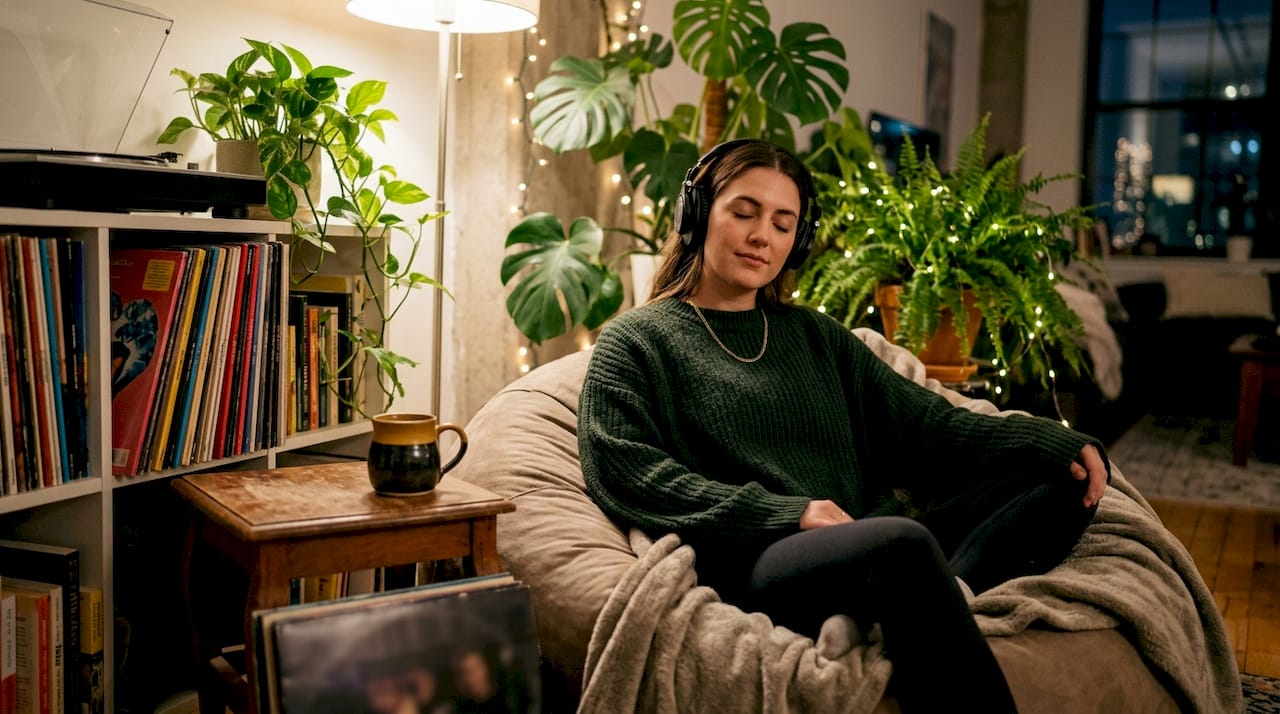
Moody after-hours tracks are atmospheric musical pieces that use subtle instrumentation, minimal rhythmic drive, and cinematic mixing techniques to support introspection and late-night relaxation. The genre sits at the intersection of dark ambient, deep R&B, and electronic minimalism, drawing on Rhodes pianos, synth pads, filtered vocals, and spatial reverb to create sound that feels like the city at 3 a.m. These tracks do not demand your attention. They hold space for whatever you are carrying. BBC Radio 3 recognized this need by building 90-minute late-night programs around immersive ambient and classical soundscapes, proof that the appetite for reflective night listening is real and enduring. Drvvynsound builds in this same spirit, producing emotionally driven music designed for exactly these quiet hours.
What production techniques create the moody after-hours sound?
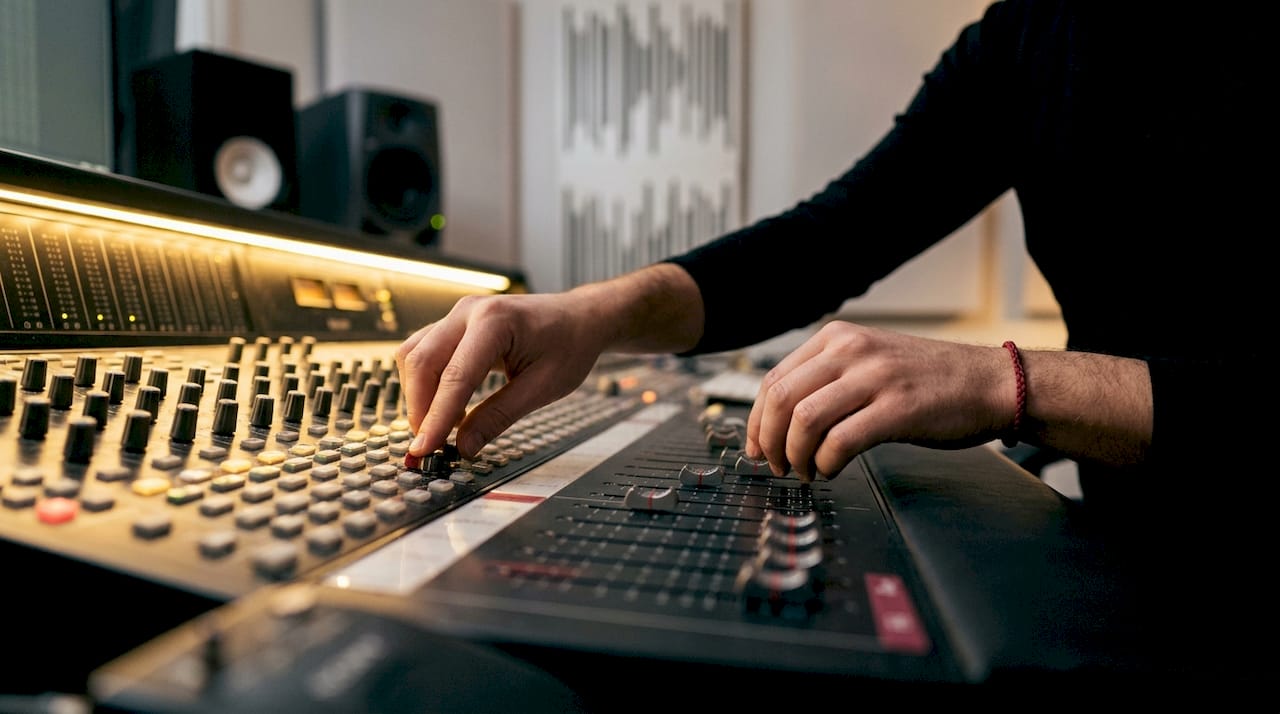
The moody after-hours sound is built on restraint. Every element that gets removed, a snare hit, a busy bassline, a bright high end, creates more room for the listener to breathe. Distorted synth-bass and filtered vocals are the two most common anchors in 2026 production standards for this genre, evoking late-night urban and liminal atmospheres without overwhelming the senses.
Key production traits include:
- Percussion choices: Tracks either remove conventional drums entirely or reduce rhythm to a slow, half-time pulse. Absence of traditional percussion avoids disrupting introspective states, letting spatial depth and room echoes carry the emotional weight instead.
- Spatial effects: Room reverbs and long decay tails simulate empty physical spaces. That sense of vacancy is the point. It mirrors the feeling of being alone with your thoughts in a quiet room or an empty street.
- High-cut filtering: High-cut filtering on the master bus removes harsh high frequencies, producing a warmer, vintage, intimate sound profile. This is the sonic equivalent of dimming the lights.
- Harmonic choices: Minor keys dominate. F minor is a recurring choice, with arpeggiated chords that circle without fully resolving, keeping the listener suspended in feeling.
- BPM ranges:BPM thresholds vary by sub-genre. Pure ambient tracks often stay in the low 60s or have no fixed tempo at all. R&B-influenced after-hours tracks tend to settle around 100 BPM, keeping a slow groove without breaking the mood.
Pro Tip:If you are building your own after-hours playlist, filter by key first. Tracks in F minor, D minor, or B-flat minor tend to share an emotional gravity that makes them sit naturally beside each other.
Top examples of moody after-hours tracks
The best examples of moody after-hours tracks share one quality: they create space rather than fill it. Each track below earns its place through specific production choices, not just a general dark vibe.
1. “Quiet Place” by Wartonno Sound
“Quiet Place” is the clearest example of what effective after-hours tracks do best. The track excludes traditional percussion entirely and relies on sustained synth pads and spatial effects to build its atmosphere. There is almost no melodic progression. That stillness is the composition. For listeners processing grief, exhaustion, or the weight of a long day, this track does not ask you to feel anything specific. It simply sits with you.
2. “Chrome After Midnight” by Burnzy
“Chrome After Midnight” brings a cyberpunk R&B energy to the after-hours format. The production centers on rounded electric bass, Rhodes piano, and minor key arpeggiated chords in F minor, with a 100 BPM slow groove that keeps the track moving without ever feeling urgent. Filtered male vocals sit low in the mix, doubled with delay for a sense of intimacy and distance at the same time. This is the track for a night drive through a city that never fully sleeps.
3. “Kenopsia” by Wartonno Sound
“Kenopsia” takes its name from the eerie feeling of a usually crowded space now empty. The track uses slow texture layering and spatial depth with tonal restraint to capture that specific emotional frequency. There are no sudden shifts, no climactic moments. The atmosphere builds so gradually you barely notice it changing. If you have ever stood in a shopping mall at closing time or walked through a school hallway on a weekend, this track will feel familiar in a way that is hard to name.
4. “Evocative Ambient Background Music – Fm – 102” by Dark Side of Synth
This track is a textbook example of emotional, synth-driven ambient music built for after-hours listening. Recorded in F minor at 102 BPM, it uses a sparse arpeggiated melody over slow-moving synth pads. The tempo sits just above the ambient threshold, giving it a gentle forward motion without breaking the reflective mood. It works equally well as background for late-night writing or as a focused listening experience when you want to sit inside a feeling without analyzing it.
5. Free moody atmospheric music by Gökhan Manav
This piece takes a different approach by centering cinematic guitar melodies over a half-time pulse at around 120 BPM. The guitar layers are quiet and contemplative, never sharp or demanding. The half-time feel slows the perceived tempo significantly, so the track breathes at roughly 60 BPM even though the underlying grid is faster. This is the kind of track that works for journaling, slow reading, or simply watching rain on a window.
6. Tracks using doubled vocal whispers and delay
A specific production technique defines an entire sub-style of moody after-hours music. Doubled vocal whispers with delay effects create an intimacy that feels almost private, like overhearing someone’s internal monologue. Combined with a glossy cinematic mix and slow R&B groove, these tracks sit at the crossroads of late-night R&B and electronic minimalism. Drvvynsound works in this exact space, producing music where the vocal texture carries as much emotional information as the lyrics themselves.
7. Dark ambient tracks using saturated textures
Saturated, emotional textures and themes of abandonment define the darker end of the after-hours spectrum. These tracks use slow tonal movement and restrained harmonic content to create immersive environments that feel heavy without being aggressive. They are not background music in the passive sense. They pull you into a specific emotional state and hold you there. This style works best for listeners who want to process something difficult without words getting in the way.
How to select moody after-hours tracks for your personal playlist
Selecting the right chilled late-night music for your playlist is less about genre labels and more about how a track makes you feel in the first 30 seconds. These criteria will help you identify tracks that belong together.
- Instrumentation and vocal texture: Look for Rhodes pianos, synth pads, filtered or whispered vocals, and rounded bass. Bright, sharp tones break the mood. Warmth is the goal.
- Rhythmic density: The less percussion, the more introspective the track. If a track has a full drum kit running at full energy, it belongs in a different playlist. Minimal rhythm or no rhythm at all signals after-hours territory.
- Spatial mix: Tracks with wide reverb and long decay tails feel like they exist in a large, empty space. That spatial quality is what makes atmospheric night tracks feel immersive rather than just quiet.
- Emotional tone: Ask yourself whether the track evokes solitude, nostalgia, or calm. If it triggers urgency or excitement, it will disrupt the flow of a late-night listening session.
- BPM and key: Aim for tracks below 110 BPM. Minor keys, especially F minor, D minor, and A minor, carry the emotional weight that defines this genre.
Pro Tip:Build your playlist in layers. Start with pure ambient tracks below 60 BPM, move into synth-driven pieces around 100 BPM, and close with something cinematic and guitar-led. That arc mirrors the natural emotional movement of a late night.
Comparison of moody after-hours music styles
Moody after-hours music is not one sound. Three distinct styles dominate the genre, each with different instrumentation, pacing, and emotional effect.
| Style | Instrumentation | BPM Range | Emotional Tone |
|---|---|---|---|
| Dark ambient | Sustained synth pads, room reverb, no percussion | Below 60 or no fixed tempo | Eerie calm, solitude, liminal space |
| Cyberpunk R&B | Rhodes piano, filtered vocals, rounded bass, delay | Around 100 BPM | Intimate, cinematic, urban melancholy |
| Synth-driven ambient | Arpeggiated synth, sparse melody, minor key harmony | 100–110 BPM | Reflective, emotional, quietly restless |
| Cinematic atmospheric | Acoustic or electric guitar, half-time pulse, layered texture | Around 120 BPM half-time | Contemplative, nostalgic, warm |
Dark ambient tracks create the most immersive and emotionally passive experience. They ask nothing of you. Cyberpunk R&B tracks carry more forward motion and work well for night drives or creative work that needs a pulse. Synth-driven ambient pieces sit in the middle, emotional enough to feel but structured enough to anchor your attention. Cinematic atmospheric tracks bring the most warmth and are often the easiest entry point for listeners new to the genre.
Key takeaways
The most effective moody after-hours tracks work by removing elements rather than adding them, using spatial depth, minor key harmony, and filtered warmth to hold emotional space without demanding attention.
| Point | Details |
|---|---|
| Restraint defines the genre | Removing percussion and bright frequencies creates the intimacy that makes after-hours tracks work. |
| BPM shapes the experience | Ambient tracks stay below 60 BPM; R&B-influenced tracks settle near 100 BPM for a slow, grounded groove. |
| Minor keys carry the mood | F minor, D minor, and A minor are the harmonic backbone of most melancholic music examples in this genre. |
| Spatial effects create atmosphere | Room reverbs and long decay tails simulate empty spaces, which is the emotional core of liminal dark ambient music. |
| Curation follows emotional arc | Build playlists from pure ambient to cinematic to mirror the natural emotional movement of a late night. |
What I have learned from curating after-hours music
The thing most people get wrong about building a late-night playlist is that they chase mood without thinking about pacing. You can stack ten beautiful, dark tracks and still end up with something that feels exhausting rather than restful. The reason is usually that every track is trying to do the same emotional work at the same intensity.
What I have found is that the best after-hours listening sessions move. They start in stillness, something close to “Quiet Place” territory, and gradually allow a little more texture and motion. A track like “Chrome After Midnight” lands differently at the midpoint of a session than it does at the start. The contrast is what makes it feel like arrival rather than just continuation.
The other thing worth saying is that the most affecting tracks in this genre are often the least obvious. The hidden gems are not always the ones with the most plays. They are the ones built by producers who understand that silence is a compositional choice, not an absence. When you find a track where the space between notes carries as much weight as the notes themselves, you have found something worth keeping.
For journaling, night drives, or simply sitting with something you have not yet put into words, these tracks do not just set a mood. They give you permission to feel it.
— DRVVYN
Drvvynsound and the after-hours sound you have been looking for
Drvvynsound builds music for exactly these hours. The DRVVYN Essentials collection is a curated body of work designed to hold space for introspection, reflection, and the kind of quiet that actually feels full rather than empty.

Every track in the collection draws on the same production principles covered here: filtered warmth, minor key depth, and cinematic texture that does not crowd your thoughts. Whether you are winding down after a long day, writing through something heavy, or simply letting the night settle around you, the DRVVYN Essentials collection gives you a place to land. The music is built to feel like company without the noise.
FAQ
What are moody after-hours tracks?
Moody after-hours tracks are atmospheric pieces that use minimal percussion, filtered vocals, synth pads, and spatial reverb to create immersive, introspective soundscapes suited for late-night listening. They prioritize emotional depth over rhythmic energy.
What BPM range works best for after-hours playlists?
Dark ambient tracks work best below 60 BPM or with no fixed tempo, while R&B-influenced after-hours tracks typically sit around 100 BPM to maintain a slow, grounded groove without disrupting the mood.
What keys are most common in melancholic music examples?
F minor is the most frequently used key in moody after-hours production, alongside D minor and A minor. These keys carry a natural emotional gravity that supports reflective and sombre listening experiences.
How is dark ambient different from cyberpunk R&B in after-hours music?
Dark ambient relies on sustained synth pads and spatial depth with no percussion, creating an eerie, liminal atmosphere. Cyberpunk R&B adds filtered vocals, Rhodes piano, and a slow groove around 100 BPM for a more intimate, cinematic feel.
What makes a track suitable for a late-night introspective playlist?
The best atmospheric night tracks use high-cut filtering for warmth, minimal rhythmic elements, and minor key harmony to create a sound that holds emotional space without demanding active attention from the listener.