

Listening & Culture
Find Cinematic Music for Night Listening
Discover how to find cinematic music night listening that transforms your evenings. Create immersive soundscapes for a truly captivating experience.
By DRVVYN · · 10 min read
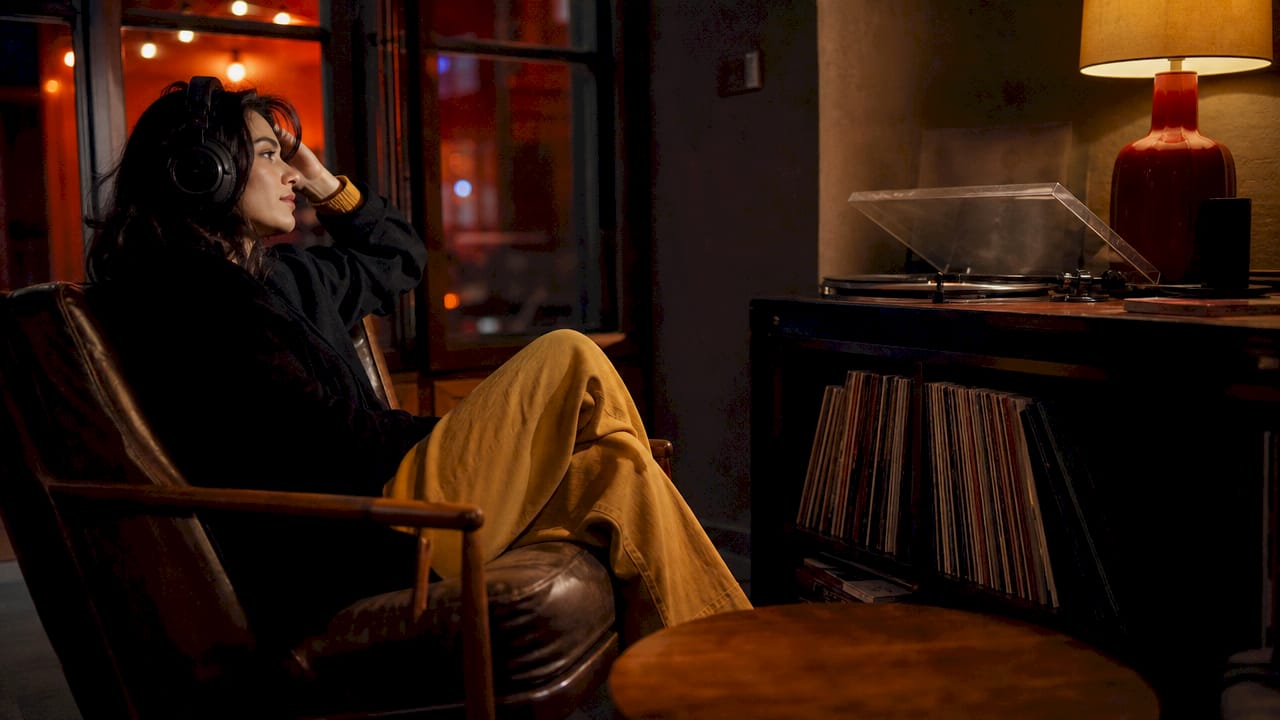
Cinematic music night listening is the art of selecting immersive, narrative-rich soundscapes that transform your evening hours into something that feels scored. The industry term for this practice is “ambient film scoring,” though listeners and curators widely call it cinematic night listening. The right music does not just fill silence. It builds a world around you, one where orchestral swells, textured synthesizers, and field recordings replace the noise of the day with something that feels intentional and alive. This guide shows you exactly how to find cinematic music suited for night listening, from genre selection to playlist structure to the environment that makes it land.
What makes cinematic music night listening different?
Cinematic night listening is defined by continuity, emotional arc, and atmosphere. It is not background music in the casual sense. The best nighttime music creates what composers call an “imagined place,” a sonic environment that feels like you are moving through a scene rather than sitting still. Cinematic ambient music achieves this through synthesizer textures and field recordings that mimic movement and transition. That distinction separates a cinematic listening session from simply pressing shuffle on a film score playlist.
The experience works because of how the brain processes sustained, evolving sound at night. Cognitive load drops after dark. Your attention narrows. Music with slow harmonic movement and minimal disruption meets that narrowed attention and holds it. Continuous listening journeys lasting 2–4 hours with slow, evolving soundscapes produce better cinematic immersion than shuffled short tracks. That is not a preference. It is the structural difference between music that pulls you in and music that keeps interrupting itself.
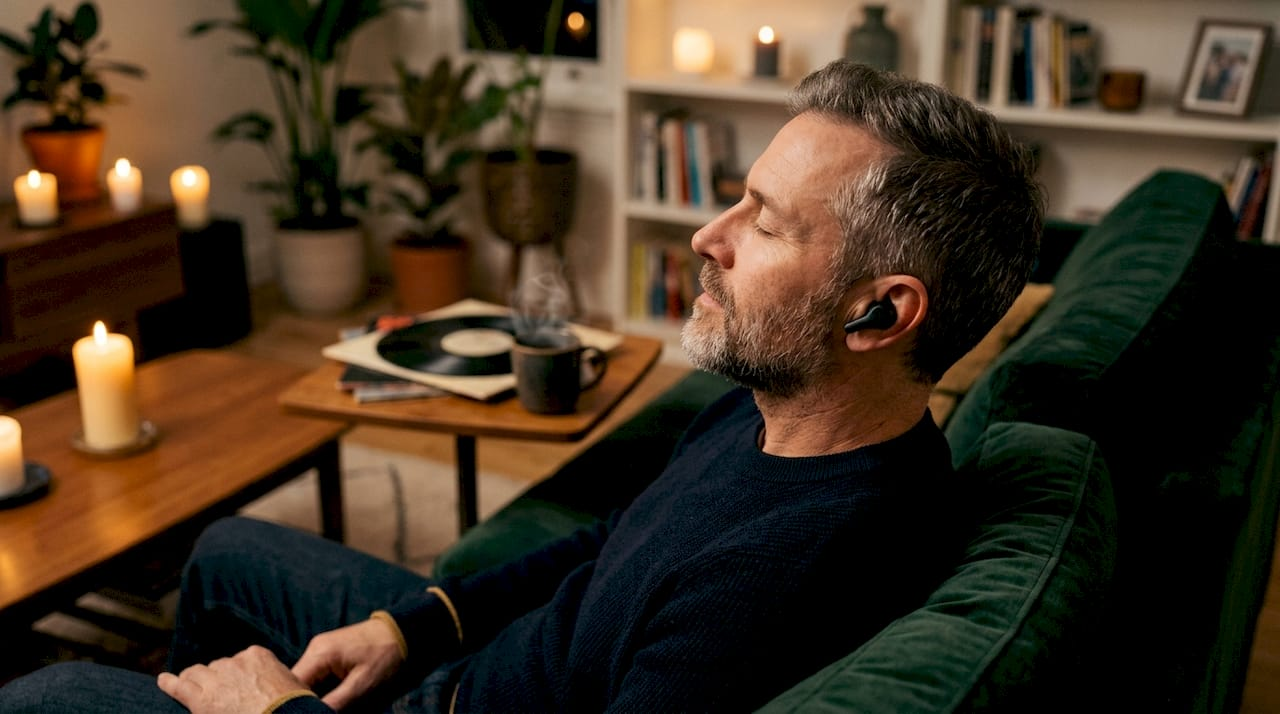
BBC Radio 3’s programming philosophy captures this well. The station blends classical, ambient, and film score elements to create narrative arcs with emotional themes suited for relaxation. That approach, moving from tension to release across a long listening arc, is the template every good cinematic night playlist follows.
What genres and elements define cinematic night music?
The core genres for cinematic night listening are orchestral scores, neoclassical piano, ambient electronic, and synthwave. Each brings a different texture, but all share one quality: they evolve slowly enough to hold attention without demanding it.
- Orchestral scores use strings, brass, and percussion to build emotional weight. Think of the kind of music that scores a slow pan across a city at night.
- Neoclassical piano strips the arrangement down to melody and space. Narrative piano collections work as a “noir anthology,” depicting scenes of the city after dark with calm and focus.
- Ambient electronic relies on synthesizer pads, tape textures, and analog warmth. Hardware synthesizers produce a slight imperfection in tone that digital production cannot replicate.
- Synthwave sits between electronic and orchestral, using retro synthesizer tones to evoke motion and nostalgia simultaneously.
- Field-recording layers appear across all these genres. Atmospheric layers like ambient city noise, distant trains, and weather sounds ground a soundscape in physical reality.
Album length matters more than most listeners realize. Cinematic sub-genres like synthwave and orchestral scores often feature albums around 45–60 minutes for standard listening sessions. That length balances mood-setting density with enough variety to stay engaging. For deeper immersion, long-form continuous albums running three hours or more remove the need to interact with a device at all.
Pro Tip:When building a cinematic night session, start with a 45-minute orchestral or neoclassical album to set the emotional tone, then transition into a long-form ambient piece. The contrast in texture keeps the session from feeling flat.
What tools and sources help you find cinematic night music?
The platform you use shapes the discovery experience as much as the music itself. Streaming platforms with editorial playlist curation surface cinematic music through mood-based categories like “focus,” “sleep,” or “film scores.” These categories are useful starting points, but they rarely go deep enough for a true cinematic night session.
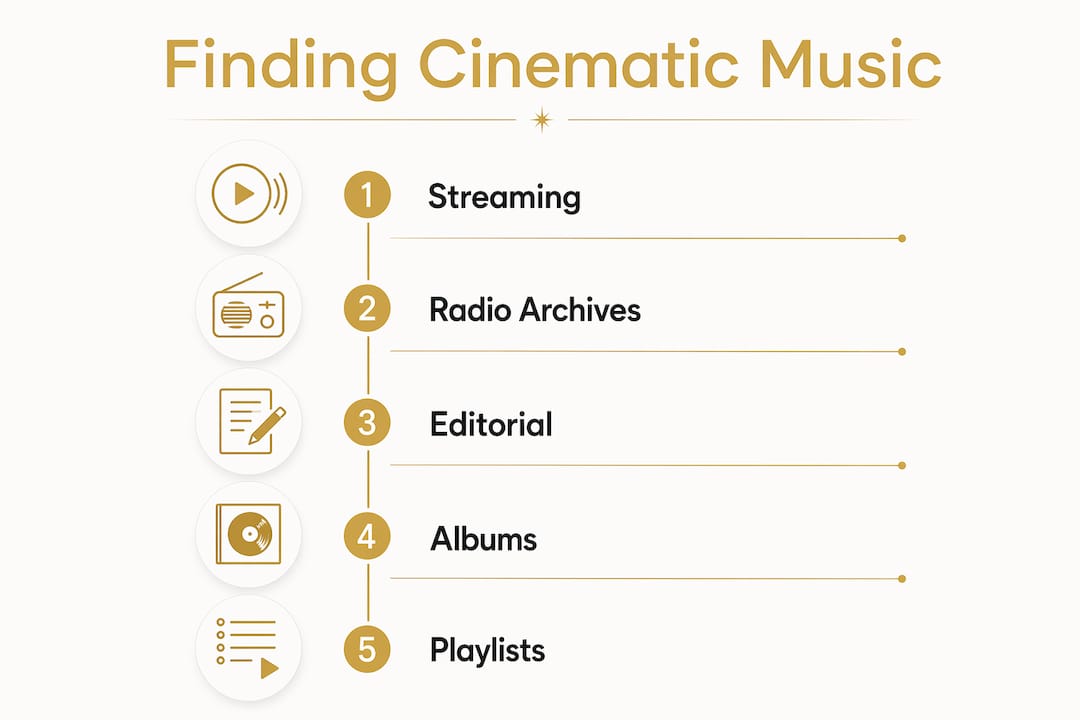
| Source type | Best for | Format |
|---|---|---|
| Curated editorial playlists | Quick discovery of new cinematic tracks | Shuffled, 30–90 min |
| Long-form continuous albums | Deep immersion and uninterrupted flow | Single album, 2–4 hours |
| Radio program archives | Narrative-arc listening with expert curation | Streamed or downloaded |
| Artist-direct platforms | Finding niche ambient and neoclassical releases | Album or EP format |
| Brand-curated collections | Consistent mood and genre alignment | Playlist or album series |
BBC Radio 3’s archive programming offers one of the most reliable sources for cinematic soundtracks built around emotional narrative. The station’s approach treats a listening session the way a film director treats a scene: every transition serves the arc. For listeners who want that level of curation without building it themselves, brand-curated collections like Drvvynsound’s Essentials playlists on Spotify provide a consistent emotional and sonic thread across tracks.
The key distinction to understand is continuous albums versus shuffled playlists. Long-form continuous albums create uninterrupted soundscapes suitable for deep focus and relaxation. A shuffled playlist, even a well-chosen one, introduces micro-interruptions at every track change. Those interruptions break the imagined place the music is building.
How do you curate your own cinematic night playlist?
Building a cinematic night playlist from scratch takes about 20 minutes of intentional selection. The result lasts for hours without needing adjustment.
-
Choose a thematic anchor. Pick one emotional or visual theme before you select a single track. “Moonlight over water,” “late-night city drive,” or “childhood memory” each pull toward different genres and tempos. A theme prevents the playlist from drifting.
-
Open with a transitional piece. The first track should ease you out of the day, not demand attention immediately. A solo piano piece or a quiet ambient pad works well here. Avoid opening with anything that peaks emotionally in the first 30 seconds.
-
Build toward a midpoint. Structure the middle of your playlist around your most emotionally resonant tracks. Balancing new releases with timeless cinematic classics keeps the listener feeling transported and engaged. A session that only plays familiar music loses tension. One that only plays unfamiliar music loses comfort.
-
Use a long-form album as the spine. Place a 2–4 hour continuous album at the center of your session. Let it run without interruption. Add shorter curated tracks before and after as bookends.
-
Close with release, not buildup. The final 15–20 minutes should resolve the emotional arc. Quieter, slower pieces signal to your nervous system that the session is winding down. This is especially useful if you are listening before sleep.
-
Check transitions manually. Play the last 10 seconds of one track into the first 10 seconds of the next. A jarring key change or tempo shift breaks immersion immediately. Adjust until the seam disappears.
Pro Tip:Use thematic cues from visual media you love. If a film’s color palette or a specific scene moves you, search for music described in those same terms. “Moonlight,” “fog,” and “northern lights” are legitimate search terms that surface specific cinematic sub-genres.
How do you enhance your cinematic music night experience?
The environment shapes the listening experience as much as the music itself. A few deliberate choices in your room and your setup make the difference between music you hear and music you feel.
- Dim the lights or use warm-toned bulbs. Bright overhead lighting creates cognitive alertness. Warm, low light signals the brain to relax and receive. Candles or amber-toned lamps work well alongside cinematic ambient music.
- Use analog-warm playback hardware. Purpose-built continuous albums emphasize warm, analog-focused soundscapes. Playing them through a tube amplifier or warm-tuned headphones preserves that texture. Highly compressed Bluetooth speakers flatten the very qualities that make cinematic music immersive.
- Add a visual layer selectively. Interactive elements like live performances and visualizers deepen cinematic music immersion beyond passive listening. A slow-moving visualizer or a looping film scene without dialogue gives your eyes something to rest on without competing with the music.
- Remove notification sounds. A single phone alert cuts through a cinematic soundscape the way a car alarm cuts through a quiet street. Put devices on silent before the session starts.
- Avoid shuffled short tracks. This is the most common mistake. Short tracks with abrupt endings reset the emotional arc every three minutes. Continuous albums and long-form listening journeys hold the imagined place intact.
“Cinematic ambient music acts as an imagined place where textured synthesizer pulses mimic movement and transition. The listener does not just hear the music. They inhabit it.”
— Dirk Jacobs on cinematic ambient music
Key Takeaways
The most effective cinematic music night listening experience combines long-form continuous albums, intentional thematic curation, and an environment designed to receive sound rather than just play it.
| Point | Details |
|---|---|
| Continuity over shuffle | Long-form albums lasting 2–4 hours maintain immersion better than shuffled short tracks. |
| Genre selection matters | Orchestral, neoclassical, ambient electronic, and synthwave each serve different emotional themes. |
| Thematic anchoring | Choose one visual or emotional theme before selecting tracks to keep the playlist coherent. |
| Environment amplifies music | Warm lighting, analog-warm hardware, and silenced notifications deepen the cinematic effect. |
| Balance old and new | Mixing timeless cinematic classics with new releases keeps the session engaging and emotionally alive. |
What I have learned about cinematic night listening
The first time I built a true cinematic night session, I made every mistake. I shuffled a film score playlist, kept my phone nearby, and wondered why the music felt flat. The silence between tracks was too sharp. The emotional arc kept resetting.
What changed everything was treating the session like a film, not a playlist. A film has a beginning, a middle, and an end. It earns its quiet moments by building toward them. When I started selecting music that way, the experience shifted completely. The pressure in my chest from the day would leave within the first 20 minutes. The music was not just playing. It was doing something.
The artists who understand this best are the ones building long-form continuous works, not singles. They know that immersion takes time to establish. You cannot rush it. The best cinematic night music I have encountered always feels like it was composed for a specific hour of the night, usually somewhere between 11 PM and 2 AM, when the world goes quiet and the sound can finally expand.
My honest recommendation: start with one long-form ambient album and let it run without touching it. Resist the urge to skip. The track you almost skipped is usually the one that opens something up.
— DRVVYN
Drvvynsound’s cinematic playlists for night listening
Drvvynsound builds music and playlists specifically for listeners who want more than background sound. The Essentials collection on Spotify brings together emotionally driven tracks across cinematic, R&B, and ambient categories, curated for continuous listening rather than casual shuffle.
Each playlist follows the same principle that defines great cinematic night music: emotional arc, tonal consistency, and enough space for the music to breathe. Whether you are winding down after a long day or sitting with something you cannot quite name, Drvvynsound’s curated night playlists give you a place to land. The music is built for the hours when you actually need it.
FAQ
What is cinematic music night listening?
Cinematic music night listening is the practice of selecting long-form, immersive soundscapes, including orchestral scores, ambient electronic, and neoclassical piano, specifically for evening relaxation and focus. The goal is a continuous emotional arc, not a collection of individual tracks.
How long should a cinematic night playlist be?
A cinematic night session works best at 2–4 hours. Long-form continuous albums in that range maintain uninterrupted soundscapes suited for deep focus and relaxation without requiring interaction.
What genres work best for nighttime cinematic listening?
Orchestral scores, neoclassical piano, ambient electronic, and synthwave are the four core genres. Each creates slow, evolving soundscapes that hold attention without demanding it.
Why does shuffle mode hurt cinematic listening?
Shuffled short tracks reset the emotional arc at every transition. Cinematic immersion requires continuity. A single jarring key change or abrupt ending breaks the imagined place the music builds over time.
Where can I find curated cinematic music for night listening?
BBC Radio 3 archives, artist-direct platforms like Bandcamp, and brand-curated collections offer the most reliable sources. Drvvynsound’s Essentials playlists on Spotify are built specifically for immersive night listening with consistent emotional and sonic curation.