

Listening & Culture
What Is Ambient Sound Design: A Pro’s Guide
Discover what is ambient sound design and how it shapes emotional experiences in audio. Elevate your projects with immersive soundscapes.
By DRVVYN · · 9 min read
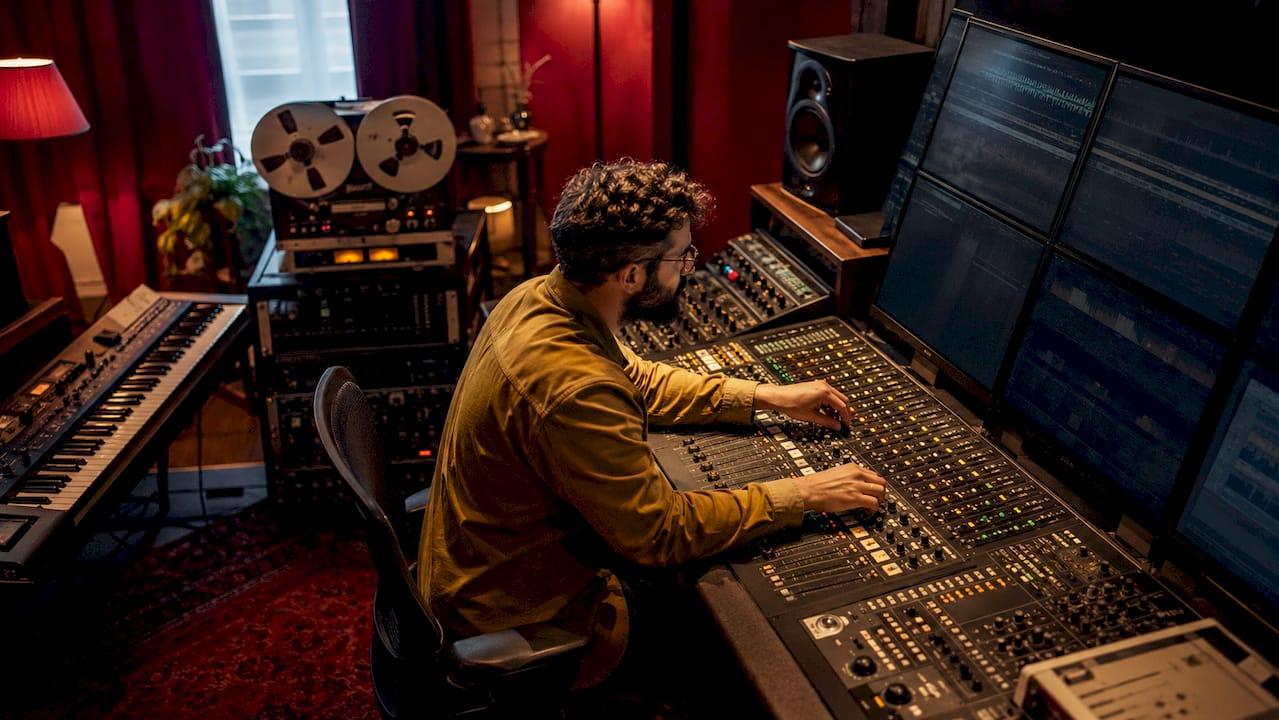
Ambient sound design is the art of creating purposeful atmospheric audio environments that establish setting, mood, and emotional presence rather than simply filling silence. It functions as the heartbeat of immersion, layering organic and synthetic elements to guide emotional response and prevent listener fatigue through evolving soundscapes. Where a sound effect tells you what happened, ambient sound tells you how it feels. For sound designers, musicians, and audio professionals, understanding what is ambient sound design means understanding the difference between a scene that breathes and one that sits flat.
What is ambient sound design and how does it work?
Ambient sound design is the deliberate construction of sonic environments that surround a listener without demanding their direct attention. The industry term most practitioners use is “ambience design” or “environmental audio design,” though ambient sound design captures the same concept clearly. Its core purpose is to shape perception of space, time, and emotion through sound that feels present but invisible.
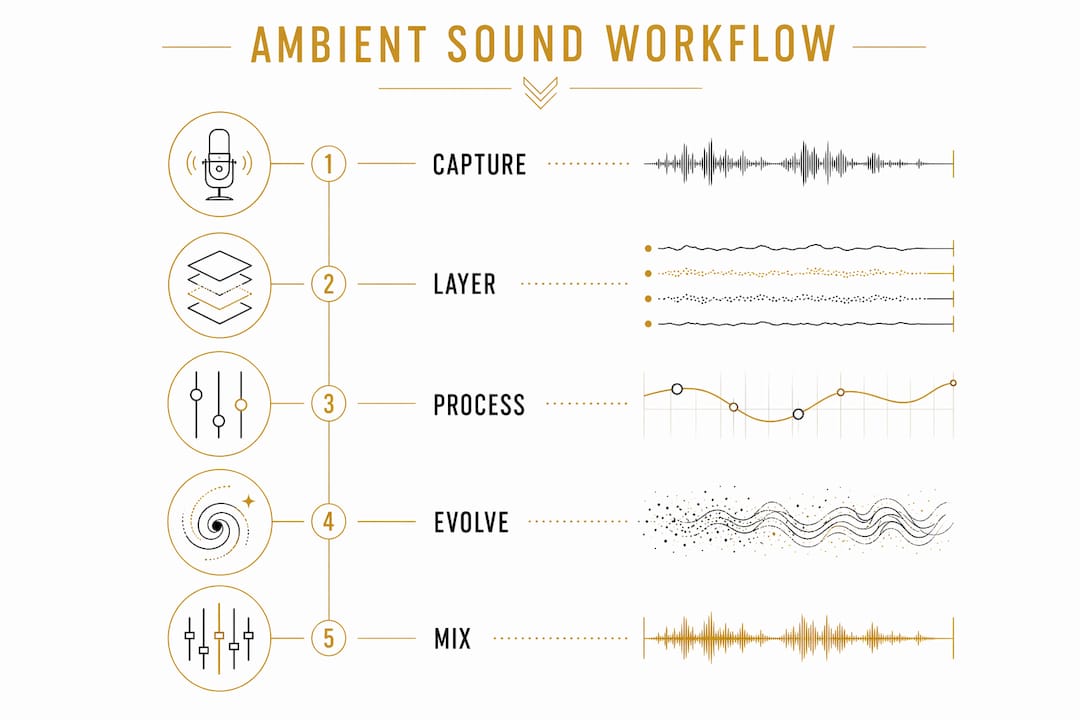
The process layers multiple audio elements together. A forest scene might combine low-frequency wind rumble, mid-range leaf movement, distant bird calls, and subtle insect texture. None of those elements alone creates the feeling of being in a forest. Together, they build a world the listener inhabits. This layering approach is what separates ambient sound creation from simply dropping a nature recording into a mix.
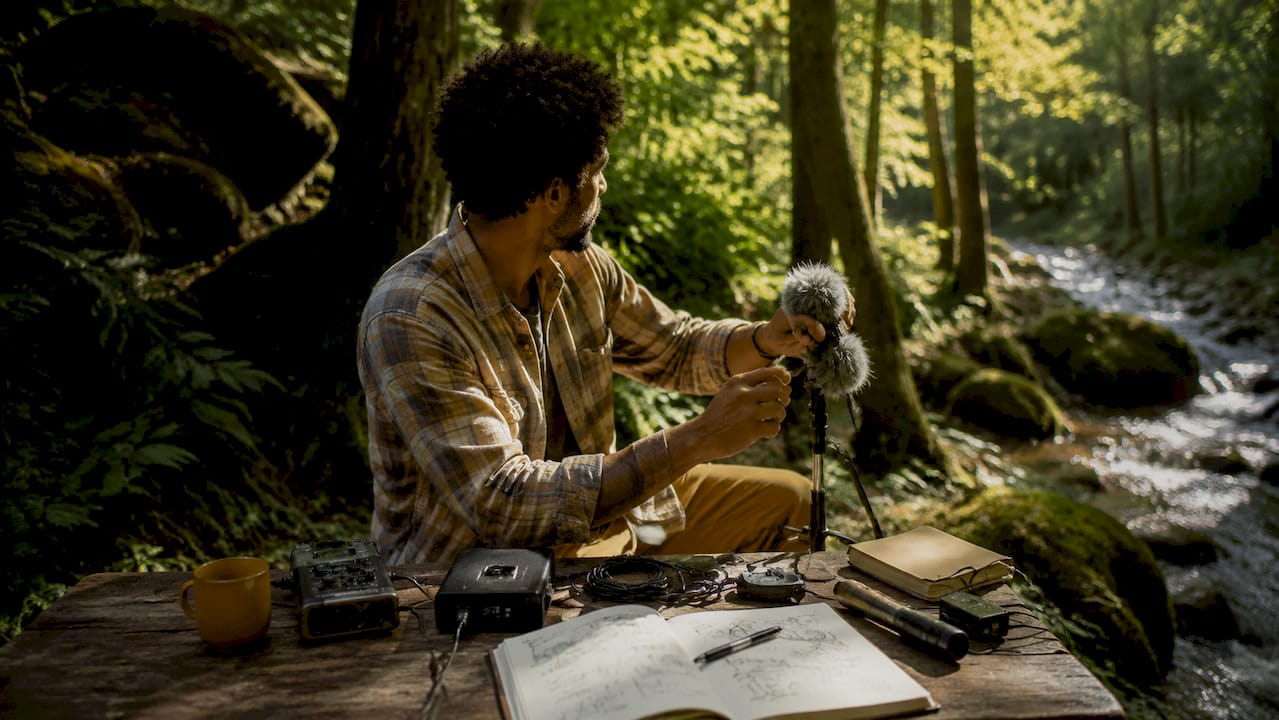
Effective ambient design also evolves over time. Static loops reveal themselves quickly and break immersion. Designers use gradual modulation, shifting textures, and subtle variation to keep the sonic environment alive. The goal is a soundscape that feels organic, not mechanical.
How does ambient sound differ from background sounds and effects?
The distinction between ambient sound and background noise is sharper than most people expect. Background sounds are diegetic and spatialized to match visuals. Ambience is generally non-diegetic, abstract, and focused on emotional atmosphere rather than literal event replication.
Here is how the three main categories break down:
- Diegetic sounds exist within the story world. A car honking, footsteps on gravel, and a door slamming are all diegetic. Characters in the scene can hear them.
- Background sounds are diegetic but ambient in placement. City traffic behind a conversation scene is background sound. It matches the visual location and grounds the scene in reality.
- Ambient sound design operates in the non-diegetic space. It shapes the emotional atmosphere of a scene without representing a specific real-world sound source. A low, slow drone under a tense conversation is ambient design, not background noise.
The practical difference shows up in design goals. Background sound replicates. Ambient sound design creates feeling. A city traffic recording tells you where you are. An abstract low-frequency texture with slow modulation tells you how the scene feels. Both can exist in the same mix, but they serve entirely different functions. Spatialization also separates them. Background sounds move and shift with the camera or character. Ambient sound wraps the listener in a consistent emotional envelope regardless of visual movement.
What modern techniques and tools create evolving soundscapes?
The technical side of ambient sound creation has expanded significantly. Procedural synthesis generates infinite, non-repetitive ambient elements such as rain droplets and wind gusts in real time. This solves one of the oldest problems in ambient design: the audible loop. When a listener hears the same texture repeat, immersion collapses.
Modern ambient audio techniques include:
- Multi-layer noise generators that use 12-dimension synthesis vectors to map mood descriptions directly to sound parameters, allowing designers to describe an environment and generate matching audio dynamically.
- Convolution reverb for realistic early reflections that ground a sound in a real acoustic space, such as a cathedral or cave.
- Algorithmic reverb for diffuse tails that extend beyond physical reality, creating hyper-real or impossible acoustic environments. Hybrid reverb techniques combine both methods to produce believable yet flexible ambient spaces.
- DAW-based layering using Pro Tools, Logic Pro, or Ableton Live to stack and automate multiple sound layers with precise volume, pan, and modulation control.
Pipeline standards matter as much as technique. Professional ambient pipelines prefer 48kHz or higher sample rates with lossless WAV or FLAC formats, with libraries indexed by intensity for procedural mixing. Seamless looping and categorized sound collections give designers the flexibility to build dynamic mixes quickly.
Pro Tip:Build your ambient sound library in intensity tiers: low, medium, and high. This lets you swap layers in and out procedurally without rebuilding your mix from scratch every time the scene changes.
Which acoustic principles make ambient sound feel real?
Believable ambient sound design treats atmosphere as an engineering problem, not just an artistic one. Manipulating spectral envelopes, temporal microstructures, and spatial coherence enables designers to engineer immersive ambiances that do not reveal their source, preserving listener immersion.
The key psychoacoustic principles every ambient designer should understand:
- Spectral envelope shaping. The frequency distribution of a sound tells the brain what kind of space it is in. High-frequency content suggests close, reflective surfaces. Rolled-off highs suggest distance or absorption. Adjusting the spectral envelope of your ambient layers controls perceived room size and material.
- Temporal microstructure. Small, irregular variations in amplitude and timing prevent the brain from locking onto a pattern. Natural environments are never perfectly static. Introducing subtle random modulation into your layers mimics this organic quality.
- Spatial coherence cues. Interaural time differences (the tiny delay between what your left and right ears hear) and interaural level differences (the volume gap between ears) tell the brain where a sound is coming from. Binaural processing and mid-side techniques in your DAW can recreate these cues convincingly.
- Reverberation manipulation. Adjusting pre-delay, decay time, and diffusion shapes the perceived size and texture of a space. Short pre-delay with fast decay reads as a small room. Long pre-delay with slow decay reads as a large hall or outdoor space.
Pro Tip:When designing abstract ambiences, process field recordings through pitch-shifting and time-stretching before adding reverb. This removes the literal identity of the source sound while preserving its acoustic texture, giving you a reusable asset that fits multiple scenes.
How can you apply ambient sound design across creative projects?
Ambient sound design applies differently depending on the medium, but the core principle holds across all of them: dynamic systems adjust ambience based on environmental conditions or user interaction, enhancing narrative and experience.
| Medium | Primary Goal | Key Technique |
|---|---|---|
| Film | Establish scene context and emotional tone | Static layered loops with gradual evolution |
| Gaming | Dynamic environment response and player immersion | Procedural synthesis with real-time triggers |
| Music production | Abstract texture and emotional depth | Layered synthesis and field recording blends |
| Multimedia / XR | Spatial presence and sensory immersion | Binaural processing and spatial audio rendering |
In film, ambient sound design carries the emotional weight of a scene before a single line of dialogue lands. The low hum under a hospital corridor tells you something is wrong before the doctor speaks. The warm, diffuse room tone of a family kitchen signals safety. These are not accidents. They are designed choices.
In gaming, the stakes are higher because the environment must respond. A forest that sounds identical whether the player is calm or in danger breaks the illusion. Dynamic ambient systems use triggers and parameter-driven mixing to shift the soundscape in real time. Tension rises, frequencies shift, and the player feels the change before they consciously register it.
In music and soundscape art, ambient audio techniques serve a different purpose. Artists like Brian Eno built entire careers on the idea that sound could function as atmosphere rather than foreground. Layering abstract textures, organic recordings, and synthesized tones creates an emotional space the listener inhabits. The goal is not to tell a story but to create a feeling that persists.
Key takeaways
Ambient sound design is the purposeful construction of evolving sonic environments that shape emotion, space, and immersion across film, gaming, music, and multimedia.
| Point | Details |
|---|---|
| Definition matters | Ambient sound design creates emotional atmosphere, not literal sound replication. |
| Diegetic vs. non-diegetic | Background sounds match visuals; ambient design wraps the listener in emotional tone. |
| Procedural synthesis | Real-time generation prevents audible loops and keeps soundscapes alive and evolving. |
| Acoustic engineering | Spectral envelopes, spatial cues, and hybrid reverb shape perceived space convincingly. |
| Cross-medium application | Film, gaming, music, and XR each use ambient layering differently but share the same core principles. |
Why subtlety is the hardest skill in ambient design
The most counterintuitive truth I have learned working with sound is this: great ambient design is often invisible. If a listener consciously notices the ambience, it has already failed its primary job. The pressure you feel in a tense scene, the warmth you sense in a quiet moment, the unease that settles before anything bad happens. That is ambient sound doing its work beneath the surface.
The temptation for new designers is to fill every frequency and every moment. More layers feel like more immersion. They rarely are. What actually creates depth is restraint. A single, well-placed low-frequency drone with slow modulation does more emotional work than six competing textures fighting for space in the mix.
Balancing abstraction and realism is where the real craft lives. Push too far into abstraction and the listener feels unmoored, disconnected from the scene. Stay too literal and the sound becomes background noise rather than emotional architecture. The sweet spot is a soundscape that feels like a place the listener has never been but somehow recognizes.
My advice: build your ambient layers in silence first. Listen to each one alone before combining them. If a layer draws your attention on its own, it will draw attention in the mix. The best ambient elements are the ones you barely notice until they are gone.
— DRVVYN
Explore ambient sound with Drvvynsound
Ambient sound design lives at the intersection of emotion and craft. Drvvynsound was built on exactly that principle. Every release under the DRVVYN artist brand is constructed with the same attention to atmosphere, texture, and emotional presence that defines great ambient work.
If you want to hear what intentional ambient layering sounds like in a real creative context, explore the full catalog at Drvvynsound. The collections span cinematic textures, R&B-rooted atmospheres, and immersive soundscapes designed for listeners and creators alike. Whether you are building a project or looking for sonic inspiration, Drvvynsound offers a reference point worth returning to.
FAQ
What is ambient sound design in simple terms?
Ambient sound design is the craft of building atmospheric audio environments that shape how a listener feels about a space or scene. It goes beyond background noise by using layered, evolving sounds to create emotional presence.
How does ambient sound design differ from sound effects?
Sound effects represent specific events, like a door closing or a gunshot. Ambient sound design creates a continuous emotional atmosphere that surrounds the listener without pointing to a single source.
What tools do sound designers use for ambient audio?
Sound designers commonly use Pro Tools, Logic Pro, and Ableton Live for layering and mixing. Procedural synthesis tools and hybrid reverb techniques add real-time variation and spatial depth to ambient soundscapes.
Why does ambient sound design matter in gaming?
Gaming requires dynamic ambient systems that respond to player actions and environmental changes in real time. Static loops break immersion; procedural generation keeps the sonic environment alive and emotionally consistent with what is happening on screen.
What sample rate should ambient sound files use?
Professional ambient content pipelines prefer 48kHz or higher with lossless WAV or FLAC formats. Libraries indexed by intensity allow for flexible procedural mixing without sacrificing audio quality.