

Listening & Culture
Why Choir Infused Alternative Music Hits
Choir infused alternative music turns indie tension into something cinematic, intimate, and spiritual – here’s why it lingers long after.
By DRVVYN · · 7 min read
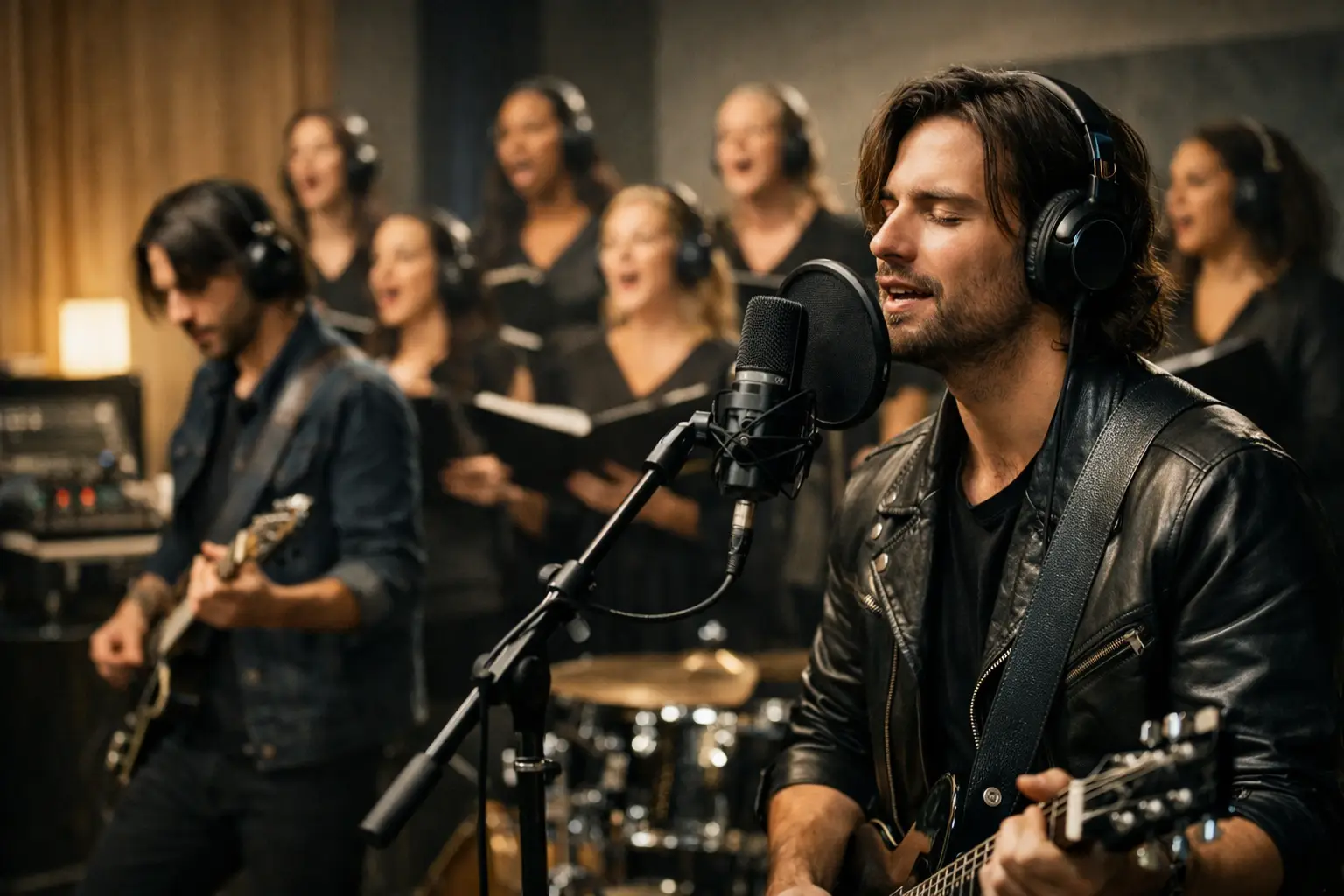
Some songs feel like they were written for your headphones. Others feel like they were written for the room around you – the ceiling, the dark, the air between one thought and the next. Choir infused alternative music lives in that second space. It doesn’t just fill silence. It changes the shape of it.
That’s part of why it stays with people. Alternative music has always had room for tension, restraint, and emotional fracture. Add a choir, and suddenly that tension expands. The feeling gets larger without always getting louder. What was once private can start to sound sacred, haunted, or strangely communal.
What choir infused alternative music actually does
At its best, choir infused alternative music is less about grandeur and more about contrast. You might hear a fragile lead vocal sitting in front of layered human voices that feel distant, almost ghosted into the track. Or maybe the choir arrives like a slow flood, turning a muted verse into something cinematic without breaking the song’s emotional center.
That contrast matters. Alternative music often works because it leaves space for ambiguity. It trusts understatement. A choir can either deepen that mystery or flatten it, depending on how it’s used. When it works, the choir doesn’t feel decorative. It feels like the hidden emotion of the song finally becoming audible.
This is why the sound can hit so hard late at night. There’s a certain kind of listener who doesn’t want a song to explain their mood. They want it to mirror it. Choir textures can make a track feel internal and massive at the same time, which is a rare balance. Intimate enough to live with. Expansive enough to disappear into.
Why choir infused alternative music feels bigger than the genre label
Genre labels help until they don’t. With this sound, “alternative” only tells part of the story. The choir element pulls from places that don’t sit neatly inside indie rock, art pop, ambient, post-rock, or experimental R&B. It can suggest gospel warmth, liturgical stillness, film-score scale, or something darker and more fractured.
That’s what makes it such a compelling blend. The choir carries emotional memory. Even if you didn’t grow up around choral music, you already know what a group of voices can imply – grief, devotion, ache, release, transcendence. Alternative production gives those associations a new frame. The result can feel spiritual without being religious, dramatic without becoming theatrical.
There’s also a reason this sound keeps showing up in songs built around isolation. A solo voice says one thing. A chorus of voices behind it says something else. It can sound like memory. It can sound like longing. It can sound like the self splitting open and answering back.
The emotional tension is the whole point
A lot of music tries to choose between raw and beautiful. This blend doesn’t have to. That’s the draw.
The most effective tracks in this lane usually keep one foot in imperfection. The lead vocal may stay close, dry, even bruised. The production may hold onto grain, distortion, or negative space. Then the choir enters and changes the emotional weather. Not to clean the song up, but to widen its frame.
That widening creates tension. If the track is too polished, the choir can feel predictable. If it’s too messy, the choir can feel disconnected from the song around it. The sweet spot is when the contrast feels earned, like the music has been holding something back and finally lets it surface.
This is where mood-driven listeners tend to stay longer. Not because the song is louder or more complex, but because it feels layered in a way that matches real emotion. Most people don’t experience sadness, desire, fear, or awe as a single clean note. They feel those things in overlap. Choir infused alternative music understands that.
When the choir is subtle, it can be even more powerful
Not every choir moment needs to arrive like a climax. Sometimes the strongest use of choral texture is almost hidden.
A breathy stack in the background. A wordless swell tucked behind synths. A distant harmony that only fully registers on the second listen. In alternative music, restraint often carries more weight than spectacle. A choir used sparingly can make a song feel possessed by a feeling it never names.
That subtle approach also keeps the track from tipping into cliché. There’s always a risk with choir elements – too much, and the song starts signaling importance instead of earning it. You can hear when a track wants to sound profound. You can also hear when it simply is.
The difference usually comes down to intention. If the choir is there to enlarge the emotional truth of the song, it lands. If it’s there to make the song feel expensive, it doesn’t.
Why this sound works so well in immersive listening
Some music is built for shuffle. Some is built for sequence. Choir infused alternative music tends to belong to the second category.
Because the emotional architecture is so tied to atmosphere, these songs often reveal more in context. A choir-heavy track after a stripped-down one can feel like release. The same track dropped into the wrong sequence might feel oversized. This is one reason mood-based curation matters so much with this sound. Placement changes impact.
For listeners who treat music like a place to return to, that matters. The best songs in this space don’t just stand alone. They open a world around themselves. One track sets the tension. Another deepens it. Another finally lifts the ceiling a little. DRVVYN Sound lives close to that idea – not just songs, but environments you can step into when the moment calls for something deeper than background noise.
The trade-off behind the beauty
There is a trade-off here, and it’s worth saying plainly. A choir can make a song feel timeless. It can also make it feel heavy-handed.
This kind of music asks for patience from both the artist and the listener. It usually doesn’t hit in the first five seconds the way a hook-driven pop record does. It builds. It lingers. It trusts that atmosphere can be its own form of gravity. For some listeners, that’s exactly the point. For others, it may feel too slow, too inward, too intent on mood.
That doesn’t make the sound better or worse. It just means it has a different contract with the listener. You’re not always getting instant payoff. You’re getting depth, if the song earns it.
And artists have to navigate that carefully. Too little movement, and the track drifts. Too much drama, and the intimacy breaks. The best songs know how to hold both pulse and stillness in the same hand.
Where choir infused alternative music is heading
This sound feels especially alive right now because audiences are listening differently. People build private ecosystems around music now – playlists for nighttime drives, dissociation, healing, focus, grief, romance, release. They’re not just looking for genre. They’re looking for emotional accuracy.
Choir infused alternative music fits that shift almost perfectly. It offers scale without abandoning vulnerability. It gives listeners something cinematic that still feels close to the skin. That matters in a moment when so much music is optimized to catch attention fast, then vanish just as quickly.
What lasts tends to be the opposite. A song with atmosphere. A voice that sounds human enough to break. A choral layer that turns one person’s confession into something wider, harder to name, and impossible to shake.
That’s the real pull of this sound. It meets you alone, then makes the feeling feel shared.
If you keep coming back to music that feels shadowed, spacious, and a little sacred, trust that instinct. Some sounds aren’t trying to impress you. They’re trying to stay with you.