

Listening & Culture
180g or 190 copies? How R&B Fans Should Choose Icon Vinyl
Confirm the seller and compare specs before buying Icon vinyl. Choose the durable 180g pressing to play or chase Turntable Lab's 190-copy blue exclusive.
By DRVVYN · · 7 min read
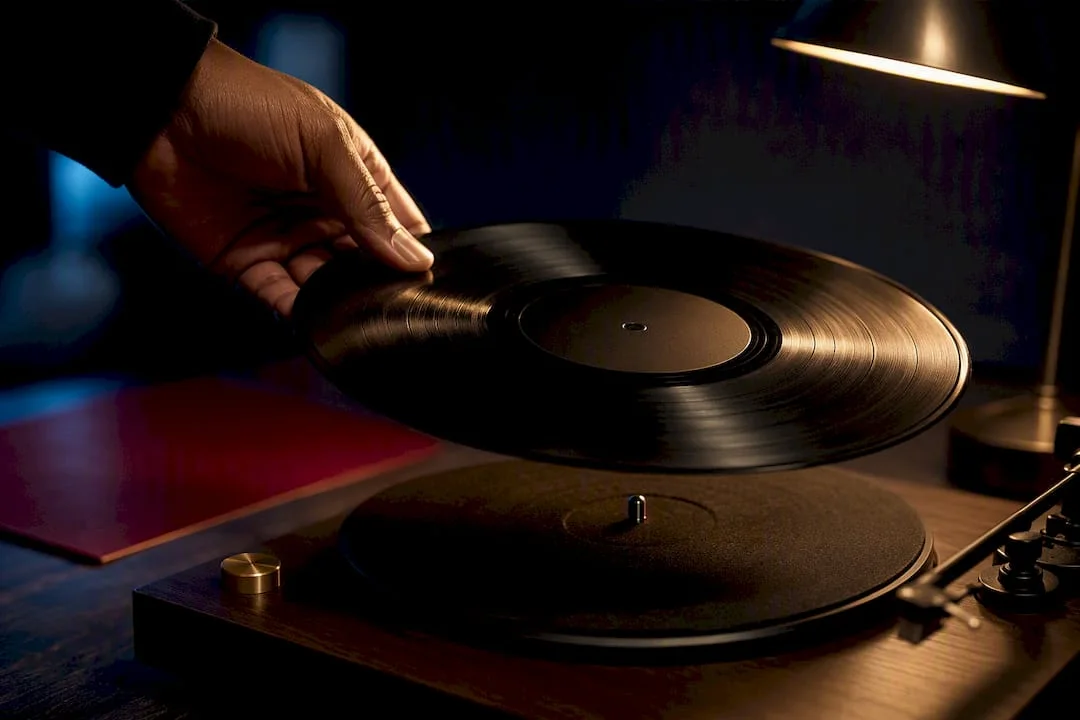
The clear vinyl LP from Brent Faiyaz’s artist store is the safest first stop, and the Turntable Lab clear blue exclusive is the one worth chasing if you want something rarer. Standard clear pressings typically retail in a moderate price range, while the Turntable Lab exclusive sells at a premium and moves fast once it’s live. Start with the official artist-store listing to confirm what’s actually in stock before you chase a colored variant.
TL;DR:
- The Turntable Lab exclusive pressing is limited to 190 copies, making it highly sought after and a prime target for resale, unlike standard clear pressings.
- The 180-gram eco-friendly pressing from Iso|Supremacy offers higher durability but does not provide better audio quality than the standard clear pressing.
- Confirming the tracklist and buying from recognized sellers, especially the artist store, ensures authenticity and helps avoid overpriced or misrepresented copies.
- Scarcity-driven collectors favor limited, colored runs in small editions, but for regular listening, standard pressings deliver similar sound quality at lower prices.
- The apparent non-importance of mastering differences means sound quality between pressings is marginal, making handling and ownership rarity the main motivations for purchase.
Comparing the Icon Vinyl Editions Side by Side
Every Icon pressing carries the same eleven tracks across two sides, so the decision isn’t about the music. It’s about what’s under the shrink wrap and how many other copies exist like yours. Some sellers lean on pressing weight to justify their price. Others lean on scarcity. Knowing which lever a listing is pulling saves you from paying collector prices for a copy that’s really just a standard pressing with nicer marketing copy.
The official artist store lists the standard clear vinyl LP with full tracklist confirmation, which makes it the benchmark against which every other listing should be checked. Turntable Lab’s exclusive clear blue pressing is capped at what the listing describes as 190 TTL editions, a run small enough that it tends to sell out within days of restocking. Iso|Supremacy markets its pressing as an eco-friendly 180-gram translucent clear LP, giving weight-conscious buyers a spec to point to. Get On Down carries a clear pressing too, and its listed pricing is a useful anchor when you’re checking whether another shop is overcharging.
A few things stand out once you line these up:
- The Turntable Lab pressing is the only one with a stated, capped run, which is the real driver of its resale interest.
- The Iso|Supremacy listing is the clearest on pressing weight, useful if 180-gram durability matters more to you than color.
- Get On Down’s listing is best used as a price check rather than a first purchase, since it mirrors specs found elsewhere.
- None of the standard clear pressings claim a special mastering process, so sound quality differences across them are marginal at best.
How Do You Pick the Right Icon Pressing for You?
Start by asking what you actually want from this record: something to play on repeat, or something to keep sealed on a shelf. Those are two different purchases, even though they’re technically the same album.
A 180-gram pressing, like the one Iso|Supremacy markets, tends to hold up better to repeated handling and resists warping a little more than thinner pressings. The eco-friendly labeling on that same listing is a manufacturing note worth knowing about, not a guarantee of better sound. If you’re building a collection meant for weekly rotation, weight and durability matter more than color.
If collectability is the goal, the calculus flips. Limited colored runs like the Turntable Lab exclusive hold value because scarcity, not sound, drives demand among collectors. A capped run under a few hundred copies tends to sell out and stay sold out, which is exactly the kind of listing worth watching if resale or shelf value matters to you.
Here’s a simple sequence for buying safely, whichever direction you lean:
- Verify the product page. Check that the seller is either the official artist store or a retailer you recognize, and confirm the tracklist matches before you check out.
- Compare price against at least one other listing. Use a retailer like Get On Down as a reference point so you know if a “deal” is actually one.
- Sign up for restock alerts on any limited pressing that’s sold out. Exclusive runs under a few hundred copies rarely stay available long, and a second batch isn’t guaranteed.
Pro Tip:If you’re torn between buying for love of the record or for resale potential, buy the standard pressing to play and chase the exclusive separately if it restocks. Splitting the two goals keeps you from overpaying for a listening copy or scuffing up a copy you meant to keep sealed.
Does the Pressing Actually Change How Icon Sounds?
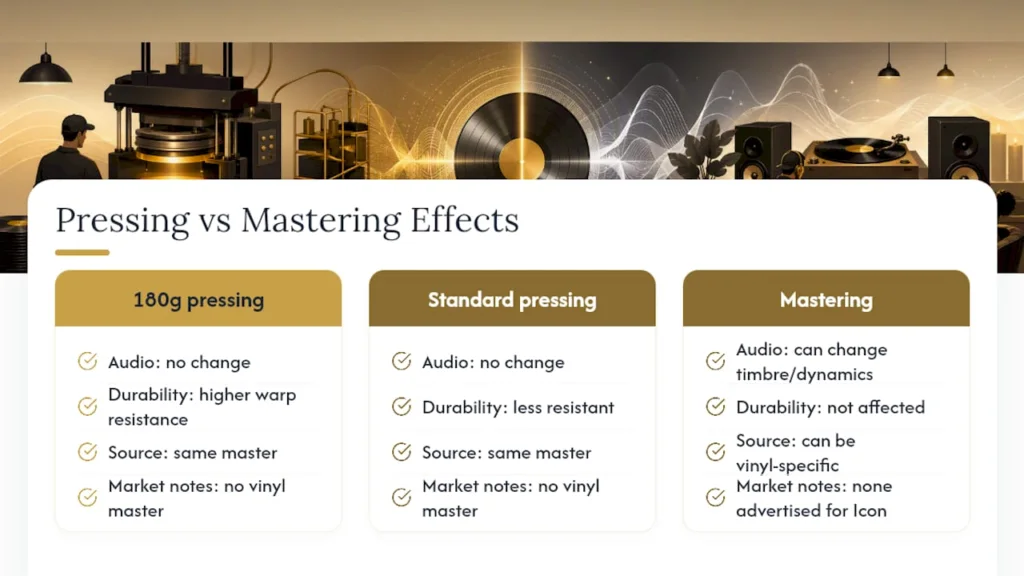
None of the retailers selling Icon on vinyl advertise a direct-to-disc cut or an audiophile remaster, so the honest answer is that the standard and eco-friendly 180-gram pressings should sound close to identical. What changes between pressings is handling and durability, not the audio signal cut into the grooves. A heavier 180-gram disc resists warping and holds up better under a turntable’s tracking weight over years of play, but it doesn’t add detail that wasn’t already on the master.
Where sound quality genuinely varies from one vinyl release to another is mastering, not pressing weight. If a listing names a mastering engineer, that’s worth checking, since a vinyl-specific master cut for wider dynamic range can sound noticeably different from a standard digital-to-vinyl transfer. None of the current Icon listings advertise a distinct vinyl master, which suggests the pressings share the same source audio across editions. For most listeners, the practical difference between the clear standard pressing and the eco-friendly 180-gram version comes down to how the record feels in your hands and how long it lasts, not what comes out of your speakers.
What the Chase for Exclusive Vinyl Says About How We Listen Now
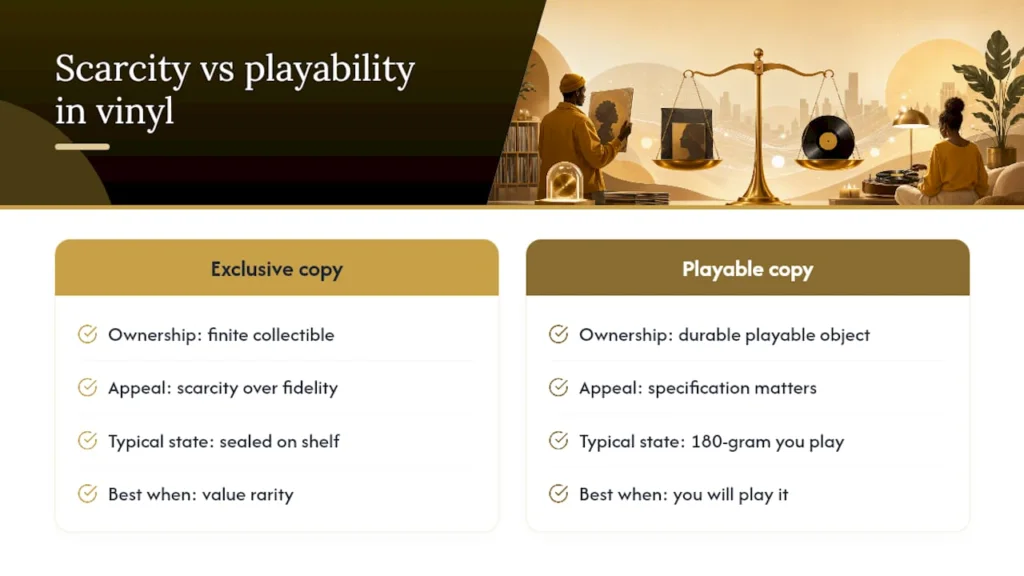
The pull toward a capped 190-copy blue pressing over an identical-sounding clear one tells you something about where music fandom lives right now. It’s not really about audio fidelity. It’s about ownership of something finite in a world where the same eleven tracks stream infinitely and for free.
That’s not a criticism. Collecting vinyl in an exclusive color is a way of making a feeling permanent, the same instinct that makes a fan return to an album during a specific season of their life. Where we’d push back on conventional collector advice is the assumption that scarcity always beats specification. A 180-gram pressing you’ll actually play for years deserves the same respect as a sealed exclusive sitting on a shelf. Verify the seller, verify the specs, then decide which kind of ownership you’re actually buying. Artist-store listings remain the most dependable starting point precisely because they tie the product directly to confirmed release details, something a resale marketplace can rarely promise.
— DRVVYN Sound
Looking Past the Record Bin for Where the Music Actually Lives
Hunting down a specific pressing is its own kind of ritual, but a physical record is only one piece of how a song reaches you. Some music companies build original R&B releases, visualizers, and mood-driven playlists designed for the way many fans actually listen now: through headphones, on a commute, inside a story that unfolds across visuals as much as sound. Where a vinyl seller hands you a static product, DRVVYN Sound’s licensing profile opens a path for brands and creators who want music built around a specific mood or moment rather than pulled from a catalog. If you’re a fan who loves collecting physical records, that same appetite for intentional, story-driven music is worth following into DRVVYN Sound’s releases. If you’re a brand or creator instead, reach out through the licensing profile to talk about a track built for your project.
FAQ
What Is ICON by Brent Faiyaz?
Icon is a Brent Faiyaz album available on vinyl LP, with the artist’s official store confirming the full tracklist and standard clear vinyl pressing.
Did ICON by Brent Faiyaz Get Delayed?
Release timing for vinyl pressings can shift independently of digital release dates, so it’s worth checking the artist’s store page directly for the current confirmed availability rather than relying on secondhand listings.
What Is the Rarest Vinyl Record of All Time?
That title belongs to decades-old pressings with tiny historical print runs, far beyond what any current release reaches. Icon’s rarest current variant is the Turntable Lab exclusive, capped at 190 copies in its colored run.
Is the 180-Gram Icon Pressing Worth Paying More For?
If you plan to play the record often, the added weight offers better durability and handling, though it won’t change the underlying sound compared to a standard clear pressing.