

Music Marketing
10 Behind the Scenes Content Ideas Creators Can Shoot, Media Narrative
Creator focused plan: 10 ready to shoot behind the scenes ideas, short production checklists, and a Media Narrative repurposing workflow.
By DRVVYN · · 9 min read
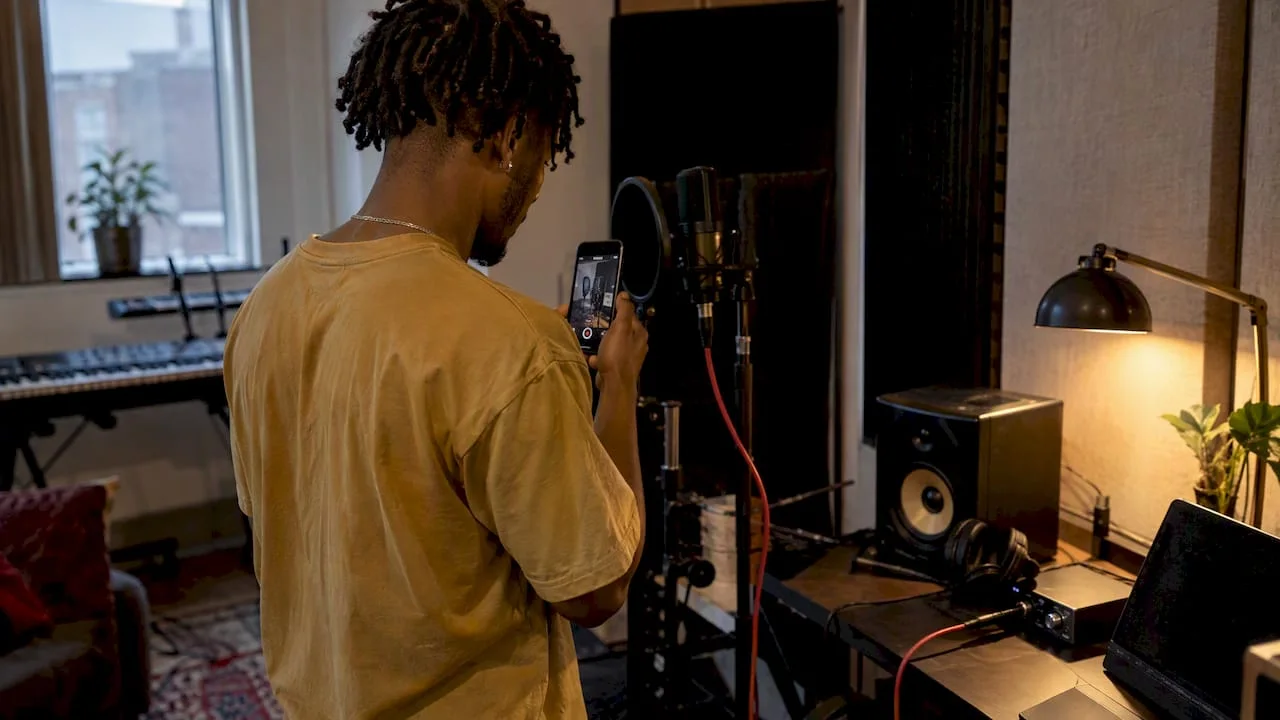
Behind the scenes content is any footage or photo that shows how your work actually happens, not the finished, polished result. It matters now because it builds trust and connection faster than a glossy ad ever could, letting people feel like they are inside the process instead of just watching the outcome. What follows covers the formats that work, ten ideas you can shoot this week, and a repurposing framework that stretches one shoot across every platform you use.
TL;DR:
- Behind the scenes content builds trust by showing real processes, unscripted moments, and vulnerabilities that audiences find more authentic than polished videos.
- Short-form BTS videos favor quick, unpolished footage with captions and vertical orientation, thriving on formats like Reels, TikTok, and Stories to boost engagement.
- Repurposing one shoot into various formats, such as hero edits, social clips, and stories, maximizes value and extends reach across multiple platforms efficiently.
- Consistent posting of longer, narrated BTS clips and live formats tends to outperform infrequent, highly polished content, especially on TikTok and similar channels.
- When projects require higher production quality or licensing-ready footage, partnering with a professional team ensures content meets longer-term and scale needs.
What counts as behind the scenes content?
Polished promo shows the destination. Behind the scenes content shows the road there, the setup, the second take, the moment something almost went wrong before it didn’t. That gap is exactly what makes it feel honest instead of staged.
Most BTS content falls into a few recognizable shapes, each suited to a different kind of moment:
- Process clips: raw footage of the work itself, a rehearsal, a build, a shoot in progress.
- Day-in-the-life: a loose, hour-by-hour window into a routine, useful for introducing the people behind a brand.
- Making-of edits: before, during, and after frames stitched into one short narrative.
- Candid interviews: quick, unscripted thoughts captured on the spot rather than written out.
Platform fit matters more than people assume; for example, understanding the TikTok video size for serialized drama creators can help optimize your content length and format for better engagement. Reels and TikTok favor short, fast cuts with motion in the first second. Stories handle rougher, single-take footage well because the format already signals “unpolished.” YouTube and blog embeds are where longer, more structured making-of content earns its runtime.
Why behind the scenes content builds trust faster than polish
Audiences have grown wary of anything that feels too finished, and the data backs that instinct up. adults who get health and wellness information from creators say they trust all or most of it, while 65% say they trust some of it, which tells us trust is conditional on context, not blind. People extend partial trust to creators who show their reasoning, their sources, or their process, and BTS content is often the clearest way to show that work.
A simple story structure helps here: a teaser that raises a question, a hero piece that answers it in depth, and a reminder that keeps the moment alive after the initial post has faded. That rhythm mirrors how attention actually moves across a feed.
A few patterns worth building cadence around:
- Creators who post more often and use longer clips with spoken narration tend to outperform those who post polished pieces sparingly, according to Pew’s research on TikTok creators.
- Top accounts average longer videos and lean on speech rather than silent visuals compared to smaller creators.
- Live and native video formats tend to hold attention longer than heavily edited pieces, since the format itself signals real time unfolding.
Vulnerability reads as credibility. A behind the scenes clip that includes a stumble or an honest aside does more for trust than a flawless highlight reel ever will.
10 behind the scenes content ideas you can shoot this week
Each of these works with a phone, a little planning, and almost no budget. Pick two or three that match your week rather than trying all ten at once.
- Meet the team or day-in-the-life: Short clips across Stories work better than one long video since viewers can drop in anywhere.
- Studio or workspace tour: A timelapse with captions turns a static space into something worth watching in under thirty seconds.
- Making-of or production process: Capture a before frame, a mid-process frame, and the final result, then cut them together in that order.
- Progress or before-and-after sequences: Especially strong for product-based creators, since the contrast does the storytelling for you.
- Event or rehearsal access: A live Q&A or a quick recap reel afterward gives two pieces of content from one gathering.
- Sneak peeks or teaser edits: A few seconds of something unreleased, paired with a vague caption, works as the teaser stage of the story arc.
- Failures and fixes: An honest postmortem, what went wrong and what you changed, tends to outperform a success-only highlight.
- Customer or collaborator BTS: Always consent-based, this format borrows someone else’s trust and lends it to yours.
- Tools, gear, and software walkthroughs: A quick screen-record or desk shot showing your actual setup satisfies viewers who want the “how.”
- Fan-driven BTS and community Q&A: Let your audience ask what they want to see behind the curtain, then answer it on camera.
A few notes on execution across the list:
- Keep captions on by default; many viewers watch muted.
- Shoot vertical first unless you know the piece is headed to YouTube long-form.
- Favor one clear subject per clip over trying to show everything at once.
How to produce behind the scenes content without slowing down
You do not need a production team for this, you need a repeatable routine. A phone with a clip-on lens, a $30 shotgun mic, and a cheap LED panel cover most situations, and that minimum-viable kit is enough to start today.
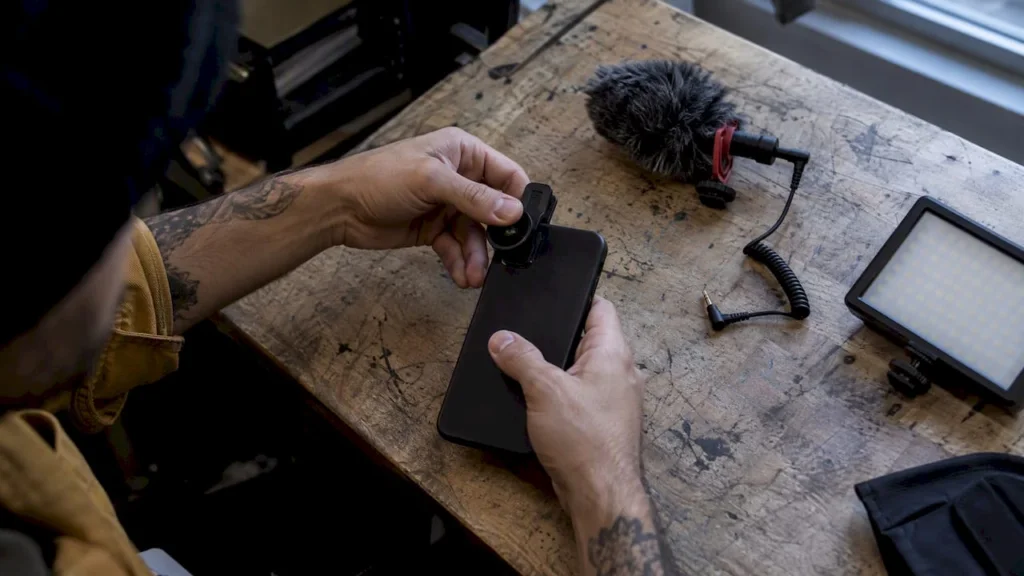
A shot-list template keeps shoots fast: three to five shots per clip, usually a wide establishing shot, a close detail shot, a hands-or-face reaction shot, and one transition frame. Two narrative structures handle almost everything: the straightforward before-during-after sequence, or the teaser-hero-reminder arc borrowed from longer campaign thinking.
A few recording habits make editing easier later:
- Frame loosely so you can crop for different aspect ratios afterward.
- Let the camera run a few extra seconds before and after the “moment” to catch usable candid b-roll.
- Record ambient sound even when you plan to add music, since real room tone grounds a clip.
For editing, a tool like CapCut handles fast vertical cuts well, while Premiere Pro suits longer masters that need more control. Batch your shoots weekly rather than daily, and keep a one-page internal production guide with your standard shot list, aspect ratios, and file-naming conventions so anyone on your team can contribute usable footage without constant direction.
Pro Tip:Shoot everything in vertical first. You can always crop up for a wider frame, but you can’t uncrop a tight vertical shot into landscape.
Turning one BTS clip into content across every platform
One ninety-second shoot can carry an entire week of posts if you treat it as a source asset rather than a single finished video. HubSpot calls this approach a “Media Narrative,” one research-backed theme spread across formats, and its case studies describe it driving far wider cross-channel reach than a single platform-specific post managed alone.
From one clip, a simple repurposing matrix produces:
- A 90-second hero edit for YouTube or long-form embeds.
- A 30 to 60-second cut for Reels or TikTok.
- A six-second reminder clip for ads or shorts.
- Three to five story slides pulling single frames with captions.
| Output | Length | Best platform |
|---|---|---|
| Hero edit | 90 seconds | YouTube, blog embed |
| Social cut | 30 to 60 seconds | Reels, TikTok |
| Reminder clip | 6 seconds | Ads, Shorts |
| Story slides | 3 to 5 frames | Instagram Stories |
Stories in particular act as a traffic driver rather than a destination; cross-platform tests show a high share of clickthroughs to longer content originate there, so give each story one clear call to action instead of several. Track engagement rate, view-through on the hero edit, and clickthrough to whatever you’re driving toward, whether that’s a mailing list or a distribution strategy across platforms.
How we document the creative process
We treat studio sessions, rehearsals, and visual shoots as raw material worth capturing, not just the finished release. Short behind the scenes clips sit alongside music visualizers and full videos, giving listeners a window into how a mood or a scene came together before the final cut existed.
A few formats commonly used are:
- Quick studio clips shared before a release drops can function as the teaser stage.
- Visualizer-style edits can turn raw audio and studio footage into something shareable on its own.
- An internal guide covering shot lists, file naming, and aspect-ratio variants can help every session produce usable footage without extra planning each time.
You can see examples of this approach in the video catalog.
Why the messy take usually beats the polished one
The honest version of this: over-polished content often reads as distant, and the clip with a stumble or an unscripted laugh tends to hold attention longer because it feels like something actually happening rather than something staged for you. That doesn’t mean posting everything unfiltered. A few guardrails still matter: protect anyone who didn’t consent to appear, avoid revealing information that affects clients or collaborators, and keep the focus on process rather than complaint.
Pick one BTS idea from this list, post it this week, and track a single metric, watch-through or saves work well, before judging whether it’s working.
— DRVVYN Sound
When it makes sense to bring in a production partner
DIY behind the scenes content covers most everyday needs, but some moments call for more than a phone and a quick edit, a release trailer, a brand campaign, or footage meant to carry licensing value beyond a single post. That’s where our licensing and production services come in: cinematic visual production, artist branding, and licensing support for creators and brands who need footage built to hold up at scale and on a deadline. If a project needs that level of craft rather than a quick weekly clip, reaching out through a profile page can start the conversation.
FAQ
What is behind the scenes content?
Behind the scenes content shows how work happens rather than only the finished result, a rehearsal, a build, an unscripted moment caught on camera. It tends to build trust faster than polished promotional content because it shows real process instead of a staged outcome.
What is the media narrative content strategy?
A Media Narrative is a single research-backed theme spread across formats, blog posts, videos, podcasts, and short social clips, rather than treated as one isolated post. HubSpot’s case studies describe this approach driving significantly wider cross-channel reach than single-platform content alone.
What are examples of behind the scenes content?
Common examples include studio or workspace tours, making-of edits showing before-and-after frames, day-in-the-life clips, and honest postmortems of something that didn’t go as planned. Customer or collaborator footage, gear walkthroughs, and fan-driven Q&A sessions also fall into this category.
How do I create behind the scenes content?
Start with a basic shot list of three to five shots per clip, a wide shot, a detail shot, and a reaction shot, then edit using a structure like before-during-after or teaser-hero-reminder. A phone, a simple mic, and a cheap light cover most needs, and tools like CapCut speed up fast vertical edits while heavier edits suit desktop software.
How often should I post behind the scenes content?
Creators who post more frequently with longer, narration-driven clips tend to see stronger results than those posting polished content rarely, based on Pew’s findings on TikTok creator behavior. A weekly batch of a few short clips, repurposed across platforms, is a reasonable starting cadence for most creators.
Sources
- Trust in health and wellness influencers | Pew Research Center
- The Content Collaboration Framework That Earned HubSpot 6 Million Views