Music Business
Turning Social Media Attention Into Real Music Careers
Turning Social Media Attention Into Real Music Careers
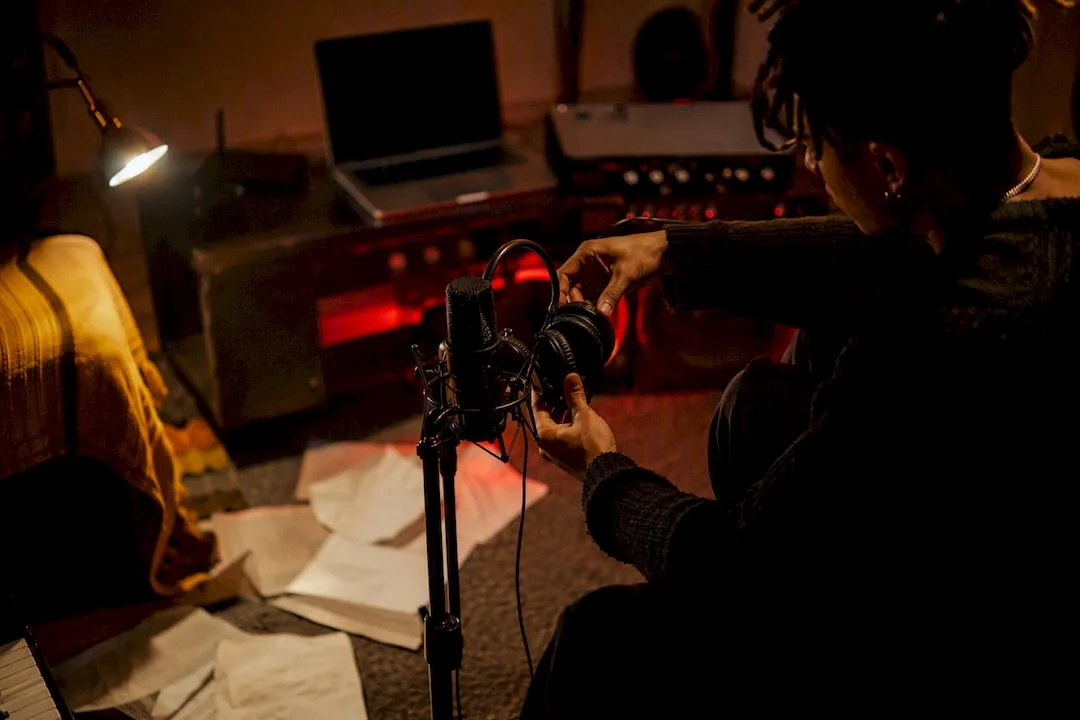
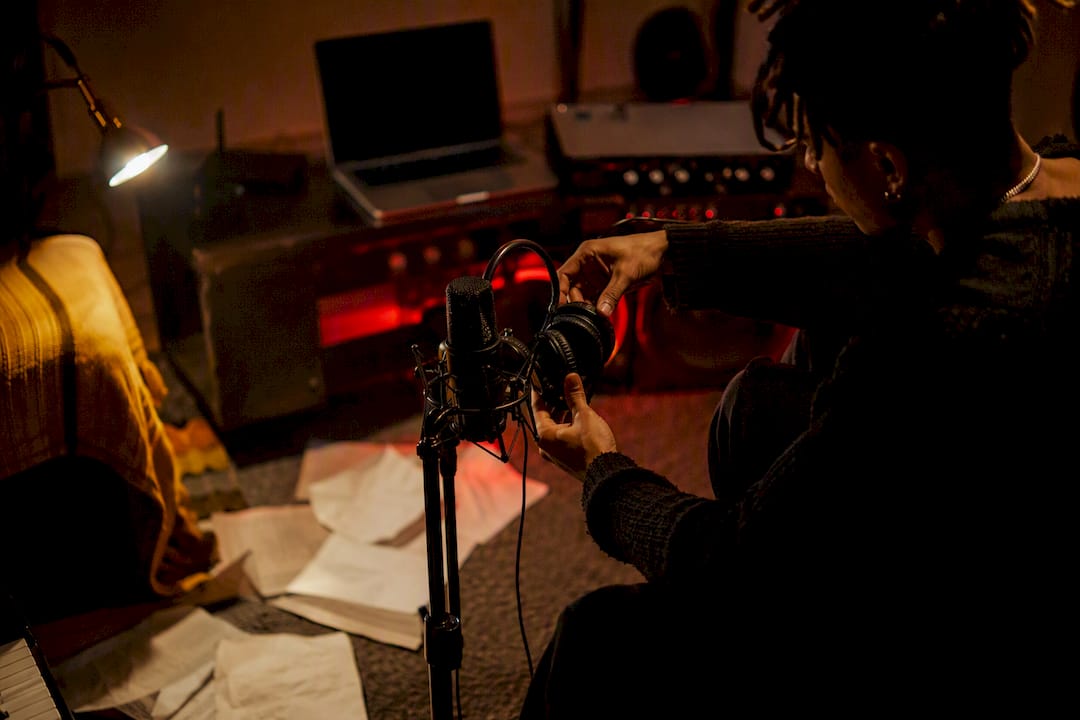
! Artist preparing music campaign in studio
Social media is the primary discovery engine for music now, but attention only becomes a career when you build a path from the scroll to the stream.
By DRVVYN · · 13 min read
Turning Social Media Attention Into Real Music Careers
Social media is the primary discovery engine for music now, but attention only becomes a career when you build a path from the scroll to the stream. TikTok, Instagram, and YouTube each move a listener a different distance down that path, from awareness to consideration to conversion, and the artists who thrive treat that path as something to design, not hope for.
The numbers back this up. Deloitte’s 2024 research found that a large majority of Gen Z and millennials now discover new music through social and user-generated video, while only a smaller portion rely primarily on streaming-service recommendations. MIDiA’s research complicates the celebration, though: virality frequently stalls at the clip and never becomes a stream. DRVVYN has watched this play out across its own releases, and this guide breaks down what actually moves a listener from watching to following.
- Social platforms now outrank streaming apps as the first place most young listeners hear something new.
- Virality and fandom are different outcomes and require different tactics to earn.
- A working release strategy treats every platform as one stage in a funnel, not an isolated broadcast channel.
Key Takeaways
Converting social media attention into a real music career requires a measurable funnel, platform-specific tactics, and conversion tracking rather than reach alone.
| Point | Details |
|---|---|
| Discovery leads, streaming lags | 82% of Gen Z discover music via UGC video, but virality often stalls before it becomes a stream. |
| Match platform to funnel stage | Use TikTok for discovery, Instagram for branding, YouTube for catalog depth and search longevity. |
| Track the middle of the funnel | Profile visits and link clicks predict conversion better than views or shares alone. |
| Creator fit beats creator size | Micro-creators whose audience matches your sound convert better than mismatched large accounts. |
| Guard against burnout | Cap platforms, batch content, and prioritize studio time over posting volume. |
How Social Media Changed the Role of Musicians in the Industry
Labels and radio programmers used to decide who got heard. That gate is mostly gone. An artist with a phone and a decent hook can reach a stranger in Jakarta before a publicist ever picks up the phone, and that shift has rewritten what “being a musician” actually requires day to day.
The tradeoff is real labor. Today’s artist is also a videographer, a caption writer, a community manager, and a data analyst, often without a team to share the load. ICMP’s guidance on music marketing recommends narrowing focus to two or three platforms rather than spreading thin across all of them, a discipline that protects both creative energy and brand consistency.
- Independent artists can reach global audiences without a label’s distribution deal.
- Non-musical skills like editing, copywriting, and analytics now sit inside the job description.
- Billions of active users across platforms means visibility is possible, but competition for the same attention is fierce and constant.
Which Social Platforms Matter Most for Musicians?
Each platform rewards a different behavior, and matching your content to that behavior beats posting the same clip everywhere.
- TikTok rewards discovery. Its algorithm favors completion rate and shares over follower count, which means a strong six-to-fifteen-second hook can outperform a polished full song. This is where sound design and duet invites do the heaviest lifting.
- Instagram builds the brand. Stories and DMs turn a discovery moment into a relationship, letting you convert a passive scroller into someone who feels like they know you.
- YouTube rewards patience. It supports long-form storytelling and functions as a searchable catalog, so a video posted today can still be found and monetized years later. Our breakdown of YouTube’s discovery role covers how catalog depth compounds over time.
- Facebook, X, Discord, and Reddit serve the superfans. These spaces handle event promotion, professional updates, and the kind of ongoing conversation that turns a listener into an advocate.
SAE’s analysis of social media’s impact on promotion backs this split: short-form for reach, long-form for depth, community platforms for retention.
Why Doesn’t Going Viral Always Build a Fanbase?
A clip can rack up millions of views and still fail to produce a single new listener on a streaming platform. That gap between exposure and fandom is the single most misunderstood part of music promotion right now.
MIDiA’s “All Eyes, No Ears” study surveyed more than 10,000 consumers and found that a majority who streamed a song did so because of social exposure, but a large share of people who see a clip never take the next step toward the artist’s catalog. The clip becomes the destination instead of the doorway.
| Funnel Stage | What to Track |
|---|---|
| Awareness | Rewatches, shares, comment volume on short-form clips |
| Consideration | Profile visits, bio link clicks, sound page taps |
| Conversion | Saves, follows, playlist adds, repeat streams |
Track the middle column, not just the first. A clip with weak profile visits relative to its views is branding without a bridge to the catalog.
What Tactics Turn Social Attention Into Streams?
Seeding matters as much as writing the song. Name your audio clearly on the sound page, invite duets and remixes directly in your caption, and make sure your distributor delivers the track to platform sound libraries before release day, since TikTok’s Add to Music App feature has driven substantial track saves when that pipeline works correctly.
Creator selection matters more than creator size. A micro-creator whose audience actually matches your sound will convert better than a huge account with a mismatched following, and NotNoise’s reporting on indie artist campaigns shows fan-shot content regularly outperforming polished paid posts when fit is the deciding factor.
Every post in that mix needs a visible next step, whether that’s “link in bio,” “duet this,” or “save the sound.”
Pro Tip:Write your call to action into the first three seconds of the caption, not the last line. Most viewers stop reading before they get there.
How Do You Measure Social Media’s Impact on Streams?
Guessing which posts work is a fast way to burn a marketing budget on the wrong content. A simple tracking setup fixes that.
- Use a smart link for every release so pre-saves, saves, and platform clicks all funnel through one trackable point.
- Add UTM parameters to bio links so you know which platform actually drove a listener to your profile.
- Check each platform’s native insights weekly, comparing completion rate and shares against profile visits, not just raw view count.
- A/B test two versions of the same hook and compare which one produces more saves per thousand views, not just more views.
This is the same conversion-first framework Artist.Tools recommends for musicians using Spotify growth data: judge content by whether it plausibly leads to a save or a follow, not by reach alone. Our own guide to streaming discovery that feels personal walks through building that link structure from scratch.
How Do You Build a Community of Superfans?
Followers are an audience. A community is an asset. Moving people from a feed into a Discord server or an email list gives you a direct line that no algorithm change can take away.
Live formats accelerate that shift. Exclusive clip previews, early access to unreleased tracks, and live Q&A sessions all reward repeat attention rather than one-time viewing, and live-stream reaction formats are proving especially effective for converting casual viewers into regulars.
- Repeat comments from the same accounts across multiple posts signal real attachment, not just algorithmic luck.
- Fan-made content (covers, edits, reaction videos) is a stronger loyalty signal than a share count.
- Merchandise inquiries or requests for physical releases often precede a listener becoming a paying supporter.
Can Constant Posting Lead to Creator Burnout?
Yes, and the pressure is well documented. The MEIEA Journal’s research on artists as content creators describes a zero-sum attention economy that pushes musicians toward constant output, often at the expense of the music itself.
Set a platform cap, batch content on one day instead of scattering it across the week, and repurpose one strong video into three formats instead of filming three separate ones.
Pro Tip:If a week’s content calendar is competing with studio time, the calendar loses. A song people love outlasts a hundred posts nobody remembers.
What Should a Release Checklist Look Like on Social Media?
A release lives or dies in the two weeks around its drop date. This sequence keeps attention pointed toward action instead of just noise.
- Two to three weeks out: Prep teasers, build your smart link, confirm your distributor has delivered audio to platform sound libraries, and line up three to five micro-creators whose sound fits yours.
- One week out: Post a countdown clip with a pre-save link pinned to your profile, and send a heads-up to your community list or Discord.
- Release day: Pin a post with an explicit call to action (“stream now,” “save the sound”), mix one short-form clip with one long-form video, and reply to every early comment to boost algorithmic push.
- First 72 hours: Track saves and profile visits hourly if you can, and reshare any organic duets or covers back to your own audience.
- Following weeks: Post thank-you content acknowledging listener support, review your funnel numbers against the previous release, and pitch playlist curators using early streaming data as proof of momentum. Our playlist discovery tips cover how to package that evidence for curators.
What Has DRVVYN Learned From Its Own Release Campaigns
A short-form teaser for one of DRVVYN’s releases converted far better once the caption led with a direct save prompt instead of a mood description. Views stayed roughly the same. Saves and profile visits moved noticeably. The lesson held across later campaigns too: the hook gets attention, but the caption decides whether that attention turns into anything measurable.
That pattern shows up across catalog pieces like Piece of Peace and visual content on the DRVVYN video page, where pairing a strong audio hook with an unmissable next step consistently outperforms polish alone.
How Do Musicians Make Money From Social Media?
Social platforms rarely pay artists directly in meaningful amounts, so treat them as the top of a monetization funnel rather than the revenue source itself. The real money sits downstream, in streaming royalties, sync licensing, merchandise, and direct fan support.
Platform creator funds exist on TikTok and YouTube, but payouts per view are small enough that they work better as a side benefit than a plan. What actually pays: driving saves and follows that compound into streaming royalties over months, using social proof (view counts, engagement) to pitch your music for licensing in ads, film, or games, and building a subscriber list or Discord community you can eventually offer paid tiers, early access, or merchandise drops through.
Bandcamp-style direct sales and Patreon-style subscriptions work best once you already have a warm community built through the tactics in the sections above. Trying to sell to a cold audience straight off a viral clip rarely works, because that audience has not yet decided they care about you as an artist rather than a fifteen-second sound. The order matters: build the funnel first, then layer monetization on top of an audience that has already shown it converts.
Does Social Media Affect Every Music Genre the Same Way?
No, and the differences are wide enough to change your entire strategy depending on your sound. Genres with a strong visual or dance component, like pop, hip hop, and Afrobeats, tend to move fastest on TikTok because the platform rewards choreography and repeatable hooks. Slower, more atmospheric genres, including the kind of introspective R&B DRVVYN releases, tend to find more traction on Instagram and YouTube, where longer-form storytelling and mood-driven visuals have room to land.
Demographics shift the picture further. Younger listeners, per Deloitte’s discovery data, lean heavily on short-form UGC video to find new artists, while older millennial and Gen X audiences still weight streaming recommendations and radio-adjacent playlists more heavily. An artist chasing a younger fanbase should prioritize TikTok’s discovery mechanics; an artist building toward a more mature, higher-spending audience often gets better returns focusing energy on YouTube’s long-form catalog and email or community lists.
Niche and regional genres benefit disproportionately from platform-specific communities. A subgenre with a small but devoted global audience can find that audience faster through Discord servers, Reddit threads, or genre-specific Facebook groups than through algorithm-driven discovery, since those communities actively search for exactly that sound.
What Legal Issues Should Musicians Watch for on Social Media?
Posting your own original music carries fewer legal risks than posting someone else’s, but a few areas trip up artists regularly. Using a sample, cover, or remix without clearance can trigger a copyright claim or takedown, even on a platform where the original creator never intended to enforce it strictly. Always confirm sample clearance and mechanical licensing before release if your track includes any borrowed material.
Platform terms of service also govern what you can monetize. A song using unlicensed elements can be muted, demonetized, or removed from a platform’s sound library entirely, cutting off the discovery mechanism you were counting on. If you commission cover art, visualizers, or video edits from a third party, confirm in writing that you hold the rights to use that work commercially before it goes live.
Working with creators for paid promotion carries its own disclosure requirements. The Federal Trade Commission requires clear disclosure when a creator is paid or given free product to promote your music, and skipping that disclosure exposes both the creator and the artist to platform penalties. Review DRVVYN’s terms of use as one example of how a release page frames usage rights, and consult a music attorney before any commercial licensing deal that involves someone else’s copyrighted material.
Turn Your Next Release Into a Measurable Campaign
Every tactic in this guide points to the same conclusion: attention without a conversion path is wasted effort. If you want to hear what a conversion-first release sounds like in practice, Music for Quiet Moments That Actually Stays shows how DRVVYN pairs an emotionally direct sound with the kind of hook that gives social platforms something to actually share. Stream it, save it, and notice which moment made you want to hit follow. That’s the same instinct you’re trying to build in your own audience.
What the Research Actually Tells Musicians to Prioritize
Most advice about social media and music treats reach as the goal. That’s backward. The evidence in MIDiA’s fandom research points to a different priority: build the bridge from clip to catalog before you worry about making the clip bigger.
Conventional wisdom says post more, post everywhere, chase every trend. The data suggests something narrower works better: pick two platforms, master their native format, and put a real call to action on every single post. The artists winning right now aren’t the ones with the most views. They’re the ones whose captions actually tell a viewer what to do next.
If you take one thing from this guide, make it this: before your next post goes up, ask whether someone watching it has a clear, obvious path to your catalog. If the answer is no, the post is branding, not promotion, and branding alone doesn’t pay rent.
Frequently Asked Questions About Social Media and Music Promotion
What is the role of social media in music promotion today?
Social media functions as the primary discovery engine for new music, especially among younger listeners, but it only builds a career when artists design a clear path from that discovery to a stream, save, or follow.
Which platform is best for a new artist starting out?
Start with one discovery platform, usually TikTok or Instagram Reels, and one depth platform, usually YouTube or Instagram proper, rather than spreading thin across five networks at once.
Why do some viral songs not translate into streaming success?
Viral clips often stop at exposure because the content lacks a clear next step, no pinned link, no caption prompt, no visible call to action, so viewers watch and scroll past without ever finding the full song.
How often should musicians post on social media?
Consistency matters more than volume. Batching content and repurposing one strong video into multiple formats protects both creative energy and posting quality better than daily scrambling for new material.
Do musicians need a team to manage social media effectively?
Not necessarily, but the workload is real. Many independent artists use a small toolkit, smart links, a content calendar, and native platform analytics, to manage promotion without a dedicated team.
Sources
- Deloitte | Digital media trends: UGC videos and music discovery (2024)
- MIDiA Research | All eyes, no ears: Why virality is not building fandom (2025)
- NotNoise | Music influencer marketing for indie artists (micro-creator playbook)