

Music Business
Turn Streams into Sales: 5 Step Bandcamp vs Spotify Plan for Indies
A practical 5 step release plan for indie artists that uses Bandcamp for direct sales and Spotify for discovery, converting streams into paying fans and…
By DRVVYN · · 11 min read
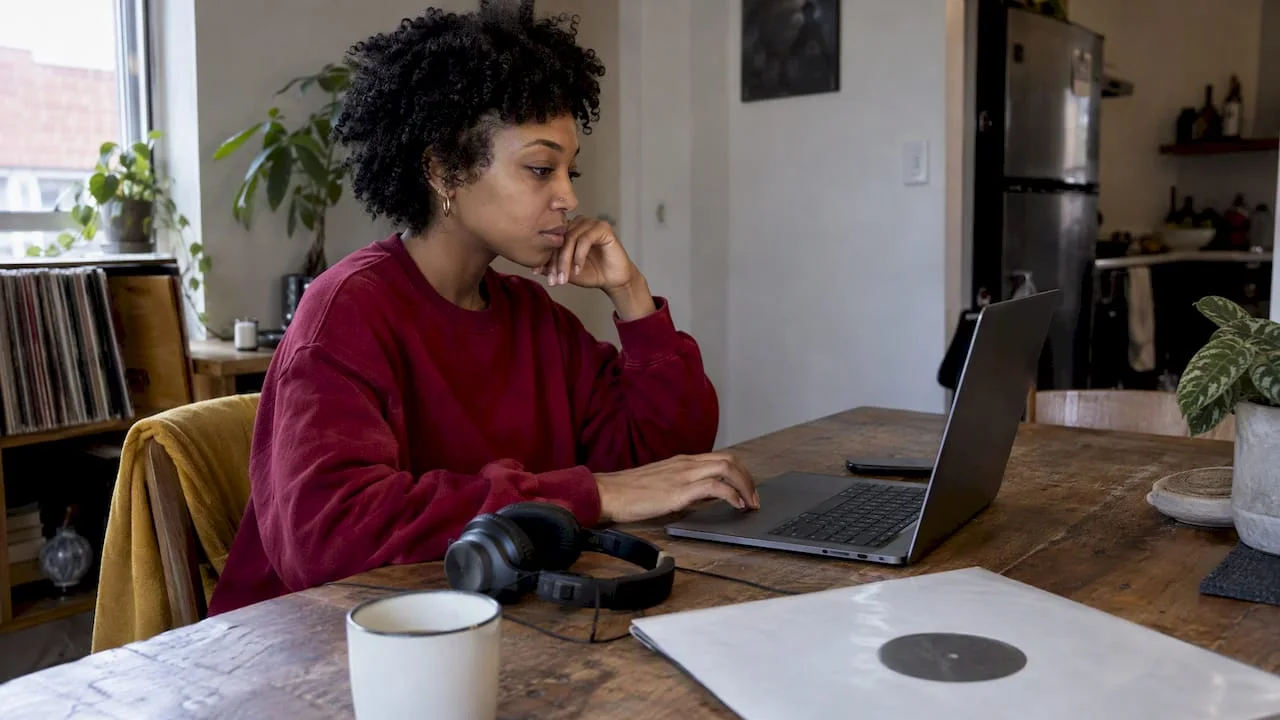
If you make music and you are trying to figure out where your energy belongs, here is the honest answer: Bandcamp is where direct sales and fan ownership live, and Spotify is where discovery happens at scale. Neither one replaces the other. The artists who feel steady, not stretched thin, tend to use Bandcamp as their storefront and Spotify as their reach, letting each platform do the job it was built for.
TL;DR:
- A few hundred dedicated fans purchasing a $10 album on Bandcamp can generate more income in a month than tens of thousands of passive streams on Spotify.
- Streaming payouts depend on the artist’s share of total streams, making actual earnings unpredictable and typically slower to accumulate than direct sales.
- Artists should time preorders and promotional efforts differently: Bandcamp preorders a week or two before release, and Spotify pre-save campaigns closer to launch.
- Discovery methods differ: Spotify relies on algorithmic and playlist exposure to new listeners, while Bandcamp benefits from community recommendations and browsing tags.
- Building an email list and distributing promotional efforts across both platforms is crucial, as reliance on playlist luck or social media alone limits growth opportunities.
Bandcamp vs Spotify comparison at a glance
The two platforms are not really competing for the same job. One is built to sell directly to the people who already love you. The other is built to put your song in front of people who have never heard your name.
- Business model: Bandcamp works like a storefront, where fans buy digital tracks, vinyl, or merch directly from you. Spotify works like a utility, where listeners pay a subscription or hear ads, and the money moves through a shared royalty pool.
- How you get paid: Bandcamp pays out a percentage of each sale, so ten fans buying an album is ten real transactions. Spotify pays through what it calls a streamshare model, where your share depends on your portion of total listening, not a fixed rate per play.
- Audience reach: Spotify’s algorithmic and editorial playlists can put a song in front of thousands of strangers overnight. Bandcamp’s audience is smaller but often more emotionally invested, built through tags, community curation, and word of mouth.
- Tools that matter: Bandcamp gives you pay-what-you-want pricing, bundles, and collector data. Spotify gives you Spotify for Artists analytics, Canvas video loops, and playlist pitching tools.
- Best for: If your goal this quarter is direct income and merch sales, lean Bandcamp. If your goal is exposure and building a listener base from zero, lean Spotify. Most working artists eventually need both.
None of this means you have to split your attention evenly. It means knowing which platform to lean on for which goal, release by release.
How Bandcamp and Spotify actually pay artists
The mechanics behind each platform’s payout are different enough that comparing them stream for stream misses the point.
Spotify’s model is a streamshare, not a per-stream rate. Your royalty is not $0.003 per play sitting in a vending machine. Instead, the total subscription and ad revenue for a market gets pooled, and each rights holder is paid a share based on their percentage of all streams in that market during that period, as Spotify’s Loud & Clear explainer describes it. That payment usually routes through a label, distributor, or publisher before it reaches you, unless you are your own rights holder. The pool itself is enormous: Spotify reported paying more than $11 billion to the music industry in 2025, part of nearly $70 billion paid out over the platform’s lifetime. That scale matters for artists who can convert playlist placement into sustained, repeat listening, because a bigger share of a bigger pool still means a bigger check.
Bandcamp works closer to a traditional storefront. Historical coverage of the platform describes it taking roughly 10 to 15% on digital and merch sales, leaving the large majority of each transaction with the artist. Pay-what-you-want pricing means a fan can pay more than the asking price if the music moved them, and bundles (a digital album plus a shirt, say) push average order values higher without extra production cost to you.
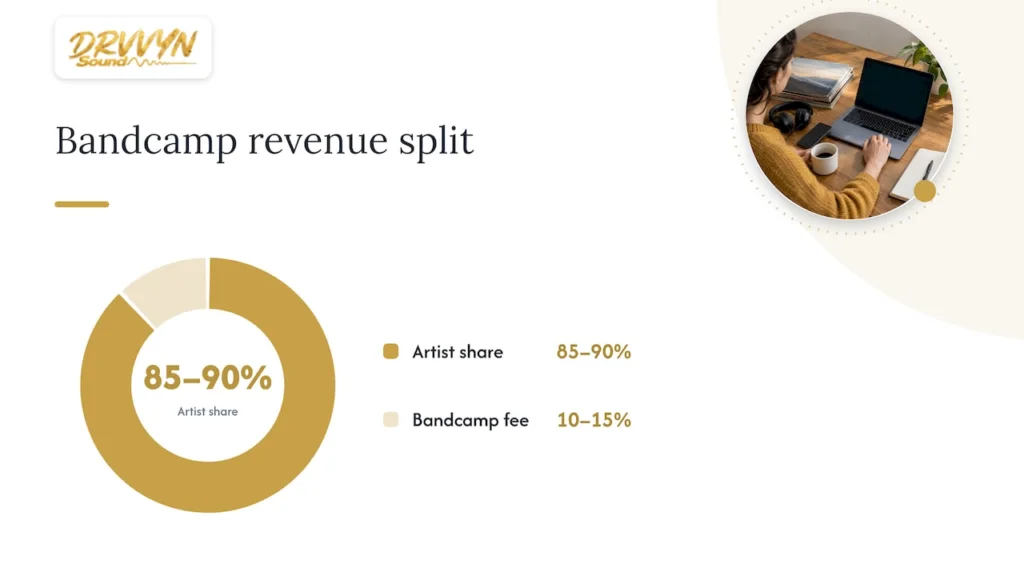
A single Bandcamp Friday, when the platform waives its own cut, can turn a modest mailing list into meaningful same-day income for an independent artist, according to reporting on Bandcamp’s storefront model linked above.
Here is where the two philosophies diverge in practice:
- A few hundred true fans buying a $10 album on Bandcamp can outearn tens of thousands of passive Spotify streams in a single month.
- Streaming income compounds slowly but keeps paying as long as the song stays in rotation, which is why catalog depth matters more on Spotify than on Bandcamp.
- Direct sales tend to win when you need cash now, for pressing vinyl or funding a video shoot.
- Streaming tends to win over a multi-year horizon, especially once a song lands on a few durable playlists.
If you want a rough sense of what streaming volume might translate to in dollars, a tool like the Spotify royalty calculator can model that math for your own numbers, though the streamshare model means any estimate is a range, not a guarantee.
Where listeners actually find new music
Discovery on Spotify is largely a machine. Editorial playlists curated by Spotify’s team, algorithmic playlists like Discover Weekly, and programs aimed at emerging artists such as Fresh Finds can put a song in front of a listener who has never searched your name. Spotify has reported that this kind of playlisting has helped artists reach real income milestones when the placement holds and listeners keep coming back.
Discovery on Bandcamp works more like a neighborhood than a machine. Fans browse tags, follow curators, and stumble into your catalog through community recommendations rather than an algorithm optimizing for session length. It is slower, but the listeners who find you this way tend to already be leaning toward buying something. Bandcamp Friday days amplify that further, concentrating attention and spending into a single window that rewards artists who show up with something new to sell.
A few moves make both engines work harder for you:
- Pitch unreleased tracks to Spotify’s editorial team through Spotify for Artists at least a few weeks before release, since playlist decisions are rarely made the day a song drops.
- Open a Bandcamp preorder with an exclusive bundle one to two weeks before the song goes live on streaming, giving your most engaged fans a reason to buy early.
- Time a Bandcamp-first push around a Bandcamp Friday, then follow with a broader pre-save campaign pointed at Spotify once the storefront traffic settles.
- Use your newsletter and social channels to send different audiences to different places: casual followers to Spotify for a low-friction listen, core fans to Bandcamp for the version with the bonus track or the vinyl.
Our review of Spotify’s playlist features for artists breaks down the pitching process in more depth if editorial placement is your near-term goal.
The tools each platform hands you day to day
Bandcamp’s store is built for selling. You can list digital tracks, physical merchandise, and vinyl side by side, price things however you want including pay-what-you-want, bundle a shirt with an album, and see collector-level data on who bought what. Uploading is direct: you control the page, the pricing, and the release timing yourself.
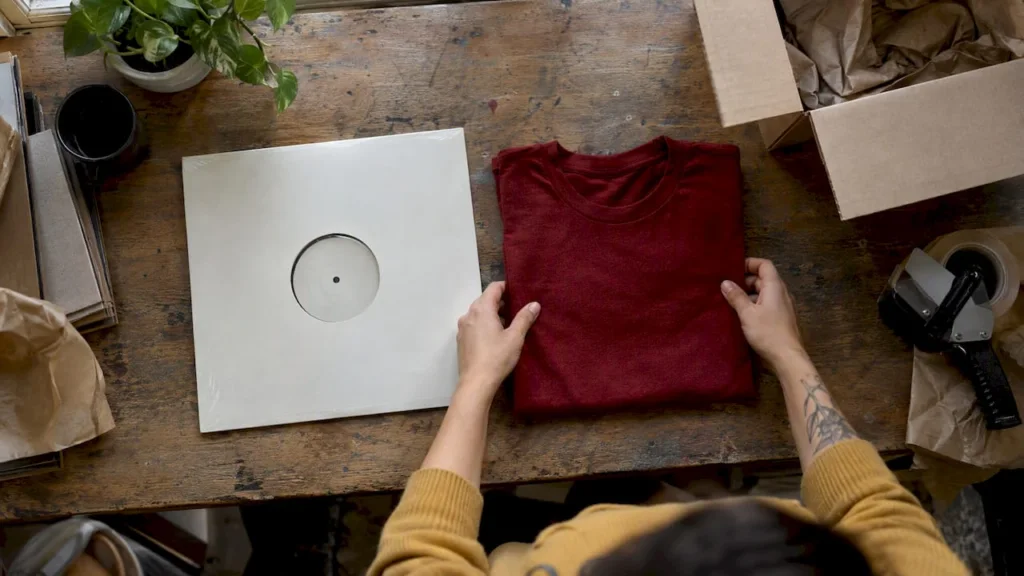
Spotify’s toolkit is built for understanding and growing an audience already listening. Spotify for Artists gives you demographic and geographic breakdowns, playlist pitching tools, Canvas for looping visual backgrounds behind a track, and Marquee, a paid promotional tool that surfaces your release to targeted listeners. Getting music onto Spotify at all requires a distributor or aggregator, since there is no direct upload path the way Bandcamp offers.
Neither platform does everything, which is where a short bench of outside tools earns its keep:
- A distributor or aggregator service to place your music on Spotify and other streaming platforms.
- An email or CRM tool to own your fan contacts instead of renting attention from a platform’s algorithm.
- A merch printer or fulfillment partner once Bandcamp bundle sales outgrow what you can pack and ship yourself.
Pro Tip:Before your next release, decide which platform is carrying the “buy” message and which is carrying the “discover” message, then write your promo copy to match instead of repeating the same caption everywhere.
A release plan that uses both platforms
You do not need to pick a side permanently. You need a workflow for each release that puts each platform to its strength. Start with a short gut check, then run the sequence below.
Ask yourself: Do I need cash from this release soon, or am I building an audience for the long run? Do I have merch or physical formats to sell? Am I touring, where direct sales at shows can feed Bandcamp traffic? Answering honestly tells you where to put your promotional weight.
- Two weeks before release, open a Bandcamp preorder with an exclusive bundle, whether that is a bonus track, a physical item, or early access.
- Around the same window, pitch the track to Spotify editorial through Spotify for Artists and start a pre-save campaign.
- On release day, announce on every channel, but point casual followers toward Spotify and your core list toward Bandcamp.
- In the first week, watch which platform is converting and put your remaining promotional budget or effort there.
- In the following weeks, use email and social content to pull your most engaged Spotify listeners toward your Bandcamp page for merch or the next drop.
Watch for a few habits that quietly stall growth: leaning entirely on playlist luck with no fallback plan, never building an email list because social media feels like enough, and treating merch as an afterthought instead of a real revenue line.
A small, real-shaped example: an artist with 2,000 engaged Instagram followers and no label support might spend two weeks building a Bandcamp preorder bundle, pitch the same single to Spotify editorial, and split their release-week posts evenly between “listen now” and “buy the bundle.” That combination protects income while still building the kind of streaming footprint that compounds later. For more on turning passive listeners into people who stick around, see our guide to streaming discovery that feels personal.
What we’ve learned from running both channels
Some artists treat Spotify as the introduction and Bandcamp as the relationship. Streaming numbers tell us which songs are resonating widely enough to keep pushing, while Bandcamp activity tells us who our real supporters are.
In practice, that means we watch skip rates and save rates on Spotify for Artists before deciding whether a track deserves a Bandcamp bundle push, and we time preorders to land a week or two before wider release. Our newsletter carries the weight of conversion, not social media.
A short checklist we return to: track which Spotify listeners come from playlists versus search, offer a Bandcamp exclusive tied to any licensing-ready master, and follow every stream spike with an email, not just another post.
Why fan ownership should outrank platform loyalty
Here is the uncomfortable trade-off: Spotify will always be able to reach more strangers than Bandcamp, and Bandcamp will always return more of each dollar than Spotify. Chasing one at the total expense of the other leaves you either broke or invisible. The fix is not complicated, just easy to skip: own your fan contact information before you need it, and treat every release as a small experiment across both platforms rather than a bet on one. For your next release, pick a single number to watch, whether that’s email signups, Bandcamp sales, or Spotify saves, and let that number tell you where to lean next time.
— DRVVYN Sound
How DRVVYN Sound can support your release
Some service providers produce original alternative R&B releases with cinematic visuals built in, so a track arrives with a video treatment and a licensing-ready master rather than a bare file waiting on a Bandcamp bundle idea. Others offer music publishing, licensing, and artist development support for creators and brands who need a release to convert, not just exist.
Working with us typically means fewer loose ends between the studio version and the version fans actually buy or a brand actually licenses. If that gap is where your releases keep stalling, our licensing and artist services profile is the place to start.
Sources
- As Spotify Turns 20, the Most Global and Diverse Music Industry in History Has Taken Shape — Spotify
- Your Questions, Answered – Loud and Clear
- Spotify vs. Bandcamp: Which Is More Band-Friendly? | Mashable
FAQ
Is Bandcamp audio quality better than Spotify?
Bandcamp allows artists to upload lossless files that fans can download in formats like FLAC, while Spotify streams at compressed bitrates designed for consistent playback. For a listener who cares about file fidelity and ownership, Bandcamp downloads generally offer the higher-quality option.
Why are some listeners moving away from Spotify?
Some listeners and artists have raised concerns about how streamshare payouts split royalties across a shared pool rather than paying a fixed amount per stream, as Spotify’s own explainer describes. That structure can feel disconnected from an individual artist’s actual sales, which pushes some fans toward direct-purchase platforms instead.
Why don’t more established artists rely on Bandcamp?
Larger artists often prioritize Spotify’s audience scale and playlist reach, since Spotify’s payout pool grows with sustained mainstream listening in a way a direct storefront cannot match on its own. Bandcamp still plays a role for merch, vinyl, and collector releases even for artists who lead with streaming.
Is Bandcamp still active and used by artists?
Yes, Bandcamp remains active as a direct sales and merch platform, particularly for independent and niche artists who value fan ownership and higher per-sale revenue. Its storefront model, historically taking roughly 10 to 15% on sales, continues to appeal to artists who want a closer financial relationship with their audience.
Should a new artist start on Bandcamp or Spotify?
Most new artists benefit from using both from the start, pointing casual listeners toward Spotify for discovery and core fans toward Bandcamp for direct support. Starting with an email list alongside both platforms protects you from relying entirely on either one’s algorithm or payout structure.