
Creative Process
Why Artists Sample Old Records: A Producer’s Guide
Why Artists Sample Old Records: A Producer's Guide
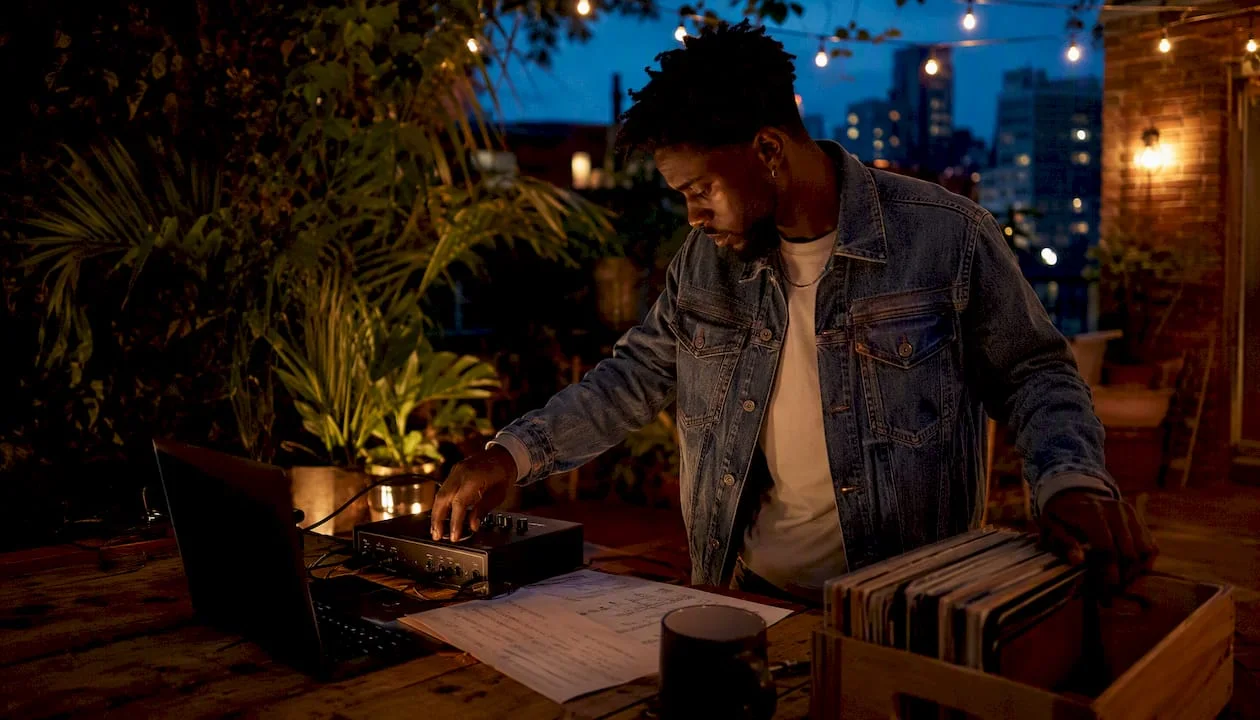
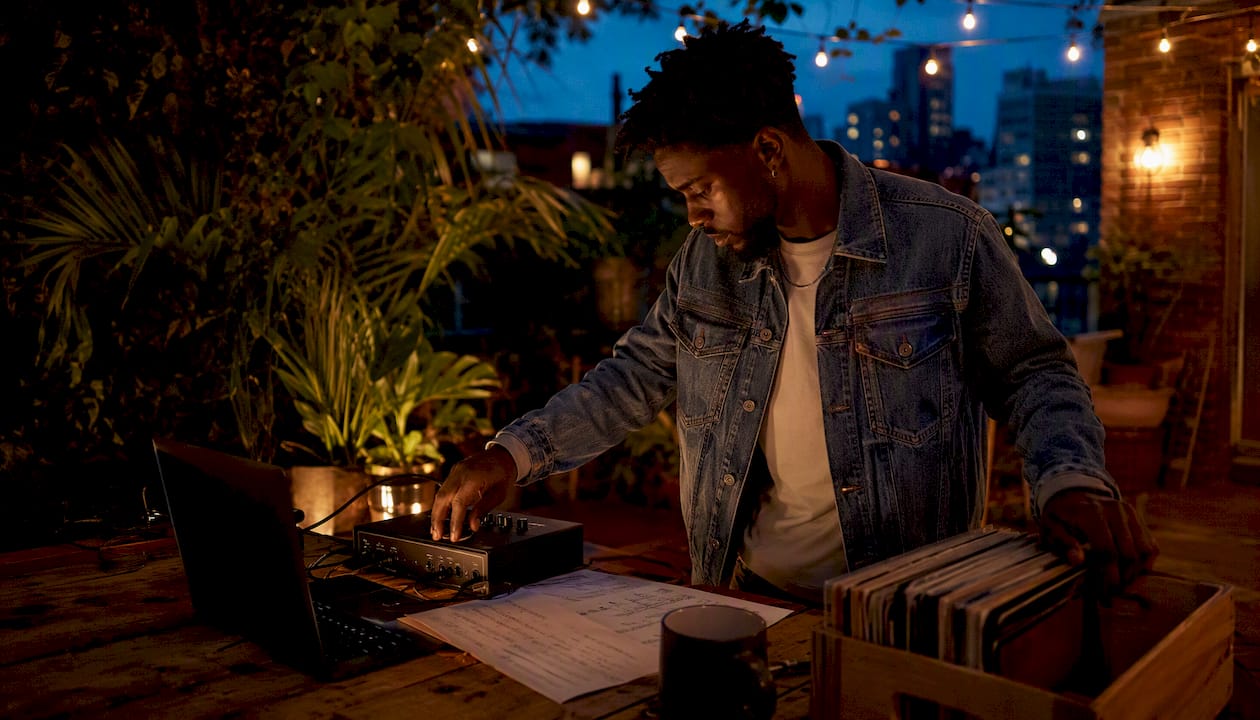
! Music producer sampling old vinyl records
Artists sample old records because they borrow texture, groove, and cultural meaning that no synthesizer preset or programmed drum pattern can fully replicate.
By DRVVYN · · 19 min read
Why Artists Sample Old Records: A Producer’s Guide
Artists sample old records because they borrow texture, groove, and cultural meaning that no synthesizer preset or programmed drum pattern can fully replicate. That’s the short answer. The longer one touches every corner of music history, studio craft, and copyright law.
TL;DR — why musicians reach for old vinyl:
- Analog recordings carry a warmth, grain, and room sound that digital instruments struggle to reproduce
- Sampled breaks hold a human groove that feels lived-in rather than constructed
- Sampling is an act of cultural lineage, connecting new music to the soul, funk, and jazz that came before
- Crate-digging for obscure sources builds a producer’s unique sonic identity
- Hardware like the MPC-60 shaped the entire aesthetic of chopped and looped production
As sampling scholar and NPR contributor Mark Ronson put it, he discovered Motown and soul music “backwards, through hip-hop and the records that had borrowed from it.” That backward path is exactly why sampling still matters.
Table of Contents
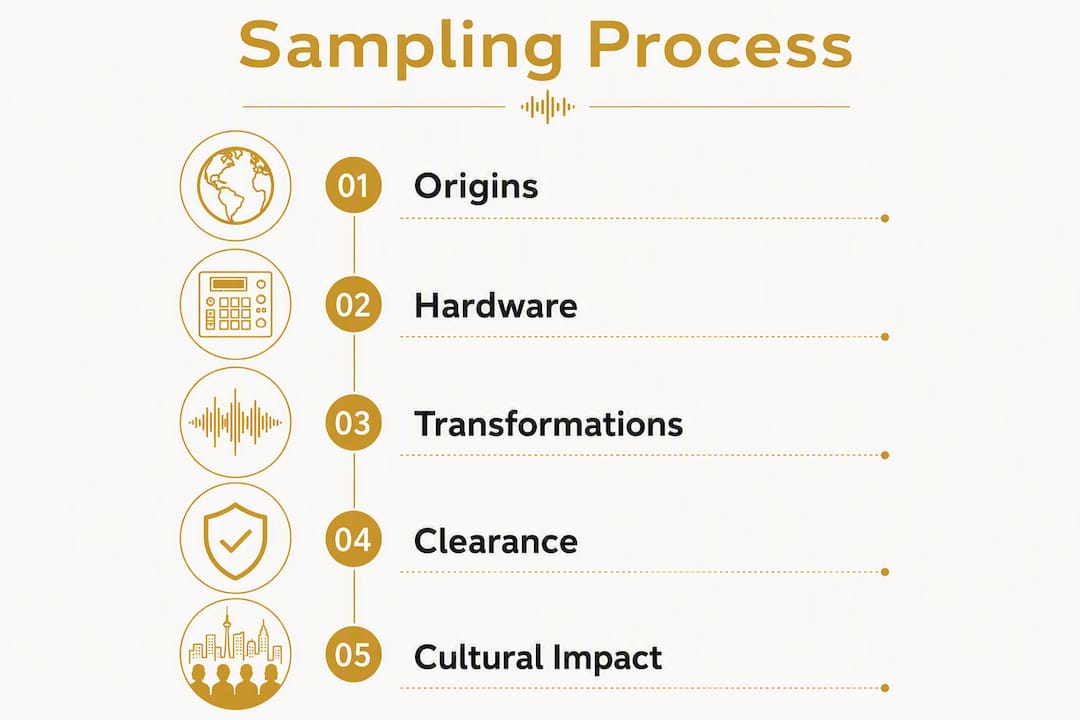
- Where did sampling in music actually come from?
- What makes old records so creatively irresistible?
- How do producers actually transform samples into beats?
- How does sampling shape culture beyond the studio?
- What do you actually need to clear a sample in the U.S.?
- Famous samples that show why the practice works
- Practical tips for producers who want to sample responsibly
- How Drvvynsound approaches sampling and original production
- Key Takeaways
- Sampling still matters, and here’s why it always will
- Useful sources and recommended listening
Where did sampling in music actually come from?
The practice didn’t begin with hip-hop, though hip-hop perfected it. Tape-based composers in the 1940s and 1950s, working in the tradition of musique concrète, were already cutting and splicing recorded sound into new arrangements. Pierre Schaeffer’s 1948 “Études de bruits” treated recorded noise as raw musical material. That spirit traveled forward.
By the mid-1970s, DJs in the South Bronx were isolating the percussion breaks on funk and soul records, looping them manually on two turntables, and letting dancers ride the groove. James Brown’s catalog became the most mined source in that culture, his drummer Clyde Stubblefield’s patterns appearing across hundreds of later productions. The break wasn’t just a moment in a song anymore. It was the song.
Then hardware changed everything.
How the SP1200 and MPC-60 shaped a generation
| Device | Released | Sample Memory | Key Limitation | Aesthetic Result |
|---|---|---|---|---|
| E-mu SP-1200 | 1987 | ~10 seconds total | Forced producers to chop tiny fragments | Gritty, compressed, punchy drum sounds |
| Akai MPC-60 | 1988 | ~13 seconds total | Encouraged short loops and layering | Tight, swinging, groove-locked arrangements |
Early hip-hop sampling was shaped by these hardware limits: short sample times forced producers to chop, loop, and re-pitch small fragments rather than lift whole passages. That constraint wasn’t a handicap. It became an aesthetic. The chop, the stutter, the pitched-down loop — these weren’t workarounds. They were the sound.
The Akai MPC, released in 1988, had a major influence on electronic and hip-hop music), allowing artists to build elaborate tracks without a full studio or formal music training. Its designer Roger Linn expected users to sample individual drum hits. Instead, they sampled bars of music and built worlds from them.
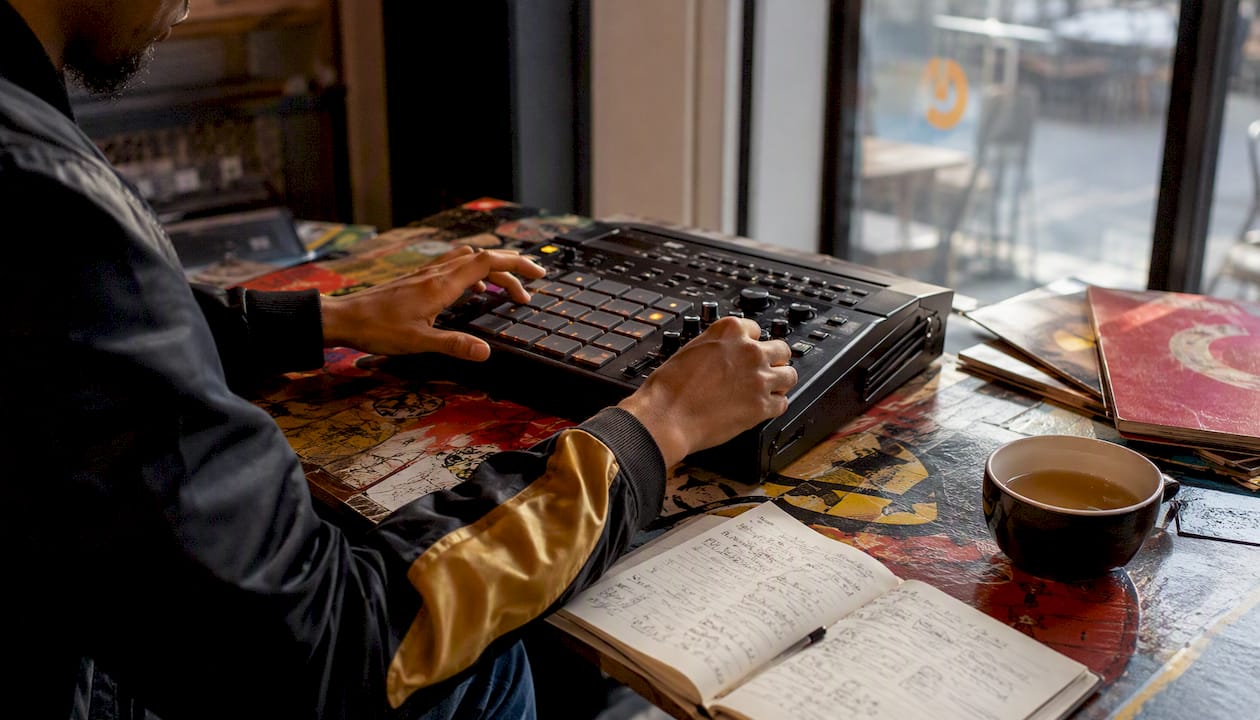
Sampling also lowered the barrier to entry for production broadly. Bedroom producers could construct full arrangements from short recorded fragments, no session musicians required. That democratizing effect is still felt today.
Key milestones in the history of sampling:
- 1948: Pierre Schaeffer’s musique concrète experiments with recorded sound as composition
- 1970s: South Bronx DJs isolate and loop breakbeats live on turntables
- 1979: “Good Times” by Chic is looped in “Rapper’s Delight,” one of the first commercially released hip-hop samples
- 1987: The E-mu SP-1200 arrives, defining the gritty texture of late-1980s rap production
- 1988: The Akai MPC-60 introduces a workflow that still shapes modern beatmaking
- Early 1990s: Legal battles (Grand Upright Music v. Warner Bros.) force the industry to reckon with clearance
What makes old records so creatively irresistible?
There’s something in an old record that a plugin can’t fake. Part of it is physics. Analog tape introduces a gentle compression and harmonic saturation that makes sounds feel warmer and more present. Vinyl pressing adds surface noise, crackle, and a slight frequency roll-off at the high end. Microphone bleed from live recording sessions means the room itself is in the track. When you sample a 1967 soul record, you’re not just borrowing a melody. You’re borrowing the air in the studio.
Groove that lives in the pocket
Programmed drums are precise. Sampled drums are felt. Human drummers push and pull against the beat in ways that no quantization grid captures cleanly. That micro-timing variation, sometimes called “feel” or “pocket,” is what makes a break lock into your body differently than a programmed pattern. J Dilla built an entire aesthetic around deliberately de-quantized, swinging samples, and listeners felt the difference even when they couldn’t name it.
Nostalgia, lineage, and backward discovery
Sampling functions as cultural archiving, connecting new listeners to musical lineages they might never have found otherwise. When A Tribe Called Quest looped a jazz record on “Verses from the Abstract,” they introduced a generation of hip-hop fans to Ron Carter’s bass playing. That’s not theft. That’s a living conversation between generations.
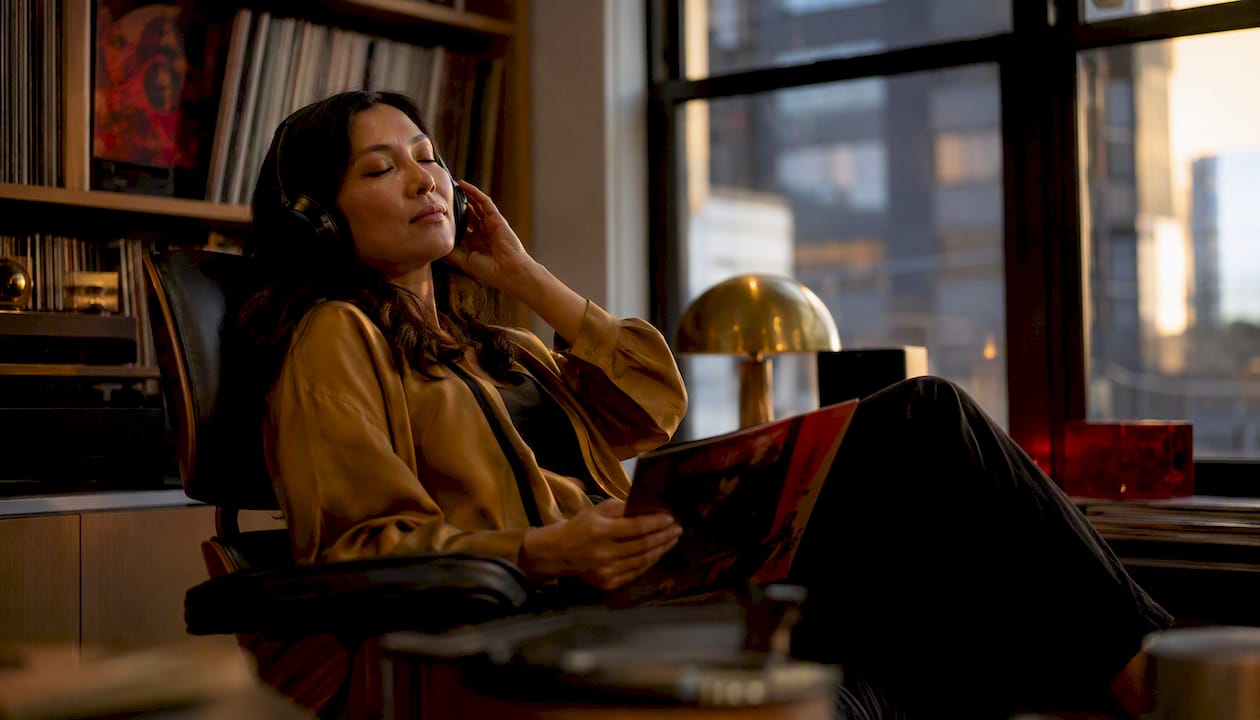
The nostalgia embedded in a familiar chord progression or a recognizable vocal chop also creates an immediate emotional shortcut for listeners. The brain hears something half-remembered and leans in. Producers use that pull deliberately.
Curation as identity
Top producers treat sampling like curation, finding unusual source material and transforming it into unique musical elements. The choice of source reveals taste. Kanye West’s early work drew heavily from soul records, particularly the chipmunk-pitched vocal chops that defined his debut era. RJD2 reached into obscure library music and cinematic scores. DJ Shadow built entire albums from fragments of records most listeners had never heard. The source material isn’t incidental. It’s the signature.
Producers who seek unique textures often sample obscure or international records, library music, and non-musical field recordings rather than obvious hits. Digging in those corners makes a producer’s palette harder to copy.
Pro Tip:Build a dedicated listening practice separate from production sessions. Spend time with soul, jazz, library, and world music records without a laptop open. The best sample finds come from genuine curiosity, not targeted searching.
How do producers actually transform samples into beats?
Knowing why artists sample old records is one thing. Understanding how they do it is where aspiring producers gain real traction. The transformation from raw source material to finished beat moves through a handful of core techniques, and each one changes the emotional character of what you’re working with.
The core transformations
Chopping breaks a longer phrase into individual slices, each triggered separately. A four-bar piano loop becomes eight distinct hits you can rearrange into a new melody. This is how producers create the illusion of a custom performance from a single recorded phrase.
Looping repeats a short segment, usually one to four bars, as the rhythmic and harmonic foundation of a track. The SP-1200’s limited memory made tight loops a necessity; producers discovered that a two-bar loop, repeated with intention, could carry an entire song.
Pitch-shifting moves a sample up or down in semitones without changing its length, or changes its speed (and therefore pitch) together. Kanye’s chipmunk-soul technique pitched vocal samples up several semitones, creating a new melodic instrument from a human voice.
Filtering shapes the frequency content of a sample. Rolling off the high end with a low-pass filter makes a sample feel buried in the mix, like it’s coming through a wall. A high-pass filter strips the bass and creates a thin, telephone-like texture. Both are tools for emotional distance or intimacy.
Time-stretching and warping change a sample’s tempo without affecting its pitch, letting producers fit a 90 BPM break into a 95 BPM track. Modern DAWs like Ableton Live handle this with algorithms that range from transparent to deliberately artifact-heavy.
Layering stacks multiple samples together. A kick drum from one record, a snare from another, a hi-hat from a third. The composite sounds like a single kit but carries the character of three different rooms and eras.
Resampling records the output of your own session back into the sampler, treating your processed work as new source material. This is how producers add generations of texture to a sound.
A practical workflow sketch
Find your source first. Audition records or digital files with headphones, not monitors, so you hear the raw character without room coloring. Once you identify a moment, isolate it from the surrounding audio. Then transform: chop, pitch, filter, or loop until the fragment stops sounding like its origin and starts sounding like yours. Integrate it into the arrangement, checking how it sits against your drums and bass. Finally, resample the processed version to commit the sound and free up processing power.
One-shot samples and heavily processed fragments are often harder to identify, and many producers rely on them to reduce clearance complexity without sacrificing the textural benefits of sampling.
Modern tools for this workflow include hardware samplers like the Akai MPC Live II and the Roland SP-404 MK2, and DAW-native options like Native Instruments Battery, iZotope RX for isolation, and Ableton Live’s built-in warping engine.
Pro Tip:When you quantize a sampled break, pull the quantize strength back to 70–80% rather than locking it to the grid at 100%. Full quantization kills the pocket. Partial quantization tightens the feel while keeping the human push and pull alive.
How does sampling shape culture beyond the studio?
Sampling isn’t just a production technique. It’s a form of cultural memory, and its effects reach far beyond any single track.
Producers’ use of older recordings often leads to renewed attention for the sampled artists and genres. This backward discovery effect is one of sampling’s most powerful social functions. When a young producer in 2024 builds a beat around a 1972 Funkadelic record, listeners who love that beat often trace it back to the source. Catalog streams rise. Legacy artists find new audiences. Music that might have faded into obscurity gets a second life.
Sampling as a Black American cultural practice
Early sampling practice originated in Black American cultural spaces where household record collections formed a shared archive. Before crate-digging became a recognized subculture, producers like Marley Marl were moving through family and community collections, treating those records as communal knowledge. The practice carried an unspoken ethics: know your sources, respect the originals, and dig deeper than the obvious.
There were also community rules that shaped early hip-hop sampling culture. Avoid recent releases. Avoid sampling other hip-hop records. Prefer vinyl. These informal codes created a competitive culture around obscurity and taste, where the rarest source material signaled the deepest knowledge.
How sampling creates cultural dialogue:
- It preserves recordings that commercial radio and streaming algorithms would otherwise bury
- It creates intergenerational conversations between artists who never shared a studio
- It gives listeners a reason to explore music history rather than consume only what’s current
- It builds genre identity: boom-bap’s relationship to soul breaks, lo-fi’s relationship to jazz piano, trap’s relationship to 808 drum machines all carry this lineage
Interviews with producers show a recurring theme: love of source material and intent to expose or pay homage, not simply to extract. The reverence is real. When producers return to the same source repeatedly, it’s often because the music genuinely moves them, and they want their listeners to feel that same pull.
Understanding how artists use discovery moments to surface older music connects directly to why artists post after dark and how cultural framing shapes the way listeners encounter new and old sounds together.
What do you actually need to clear a sample in the U.S.?
This is where a lot of aspiring producers get hurt. The creative case for sampling is clear. The legal reality is non-negotiable.
In the United States, any reuse of an existing recording requires clearance from the relevant copyright holders. There is no safe micro-duration threshold. No “under four seconds” exemption. No “I changed it enough” defense that reliably holds up. If your beat contains an identifiable fragment of someone else’s recording, you need permission before you release it commercially.
Master vs. composition: two separate rights
Every commercially released song has two distinct copyrights, and you need to clear both.
The master recording is the specific recorded performance. It’s owned by whoever paid for the recording, usually a record label or the artist themselves. You clear this with the label or the master rights holder.
The composition is the underlying song: the melody and lyrics. It’s owned by the songwriter or their publisher. You clear this separately, often through a music publisher or a performing rights organization like ASCAP or BMI.
Clearing only one and not the other is a common and expensive mistake.
Clearance workflow and what to expect
Step-by-step clearance checklist:
- Identify the original recording and confirm who owns the master (check the record label and any reissue credits)
- Identify the songwriter(s) and confirm who administers the composition (search ASCAP, BMI, or SESAC databases)
- Contact the master rights holder with a written request that includes your track, the sample’s length and placement, and your intended release format and territory
- Contact the composition rights holder with the same information
- Negotiate terms: upfront fee, royalty percentage, or both
- Get everything in writing before you release anything
- Document your source material, timestamps, and all correspondence from the start
Timeline: straightforward clearances can resolve in four to eight weeks. Complex ones, especially those involving major labels or prominent artists, can stretch to six months or longer. Build that window into your release calendar.
Cost: clearance fees vary enormously based on the prominence of the original, the length of the sample, and how central it is to your track. A brief, obscure sample from an independent artist might cost a few hundred dollars. A recognizable hook from a major-label hit can run into tens of thousands, plus a royalty split on future earnings.
Common myths, briefly corrected
The 35-year rule myth: Some producers believe that recordings older than 35 years are free to use. They aren’t. U.S. copyright law protects sound recordings for 95 years from publication for works released before 1978. The 35-year figure refers to a termination-of-transfer right for songwriters, not a public domain threshold for producers.
Fair use: Fair use is a legal defense, not a clearance substitute. It’s evaluated case by case on four factors, and courts have generally not been sympathetic to commercial music releases that use uncleared samples. Don’t plan a release around fair use.
Ethical considerations: Beyond the legal requirements, credit matters. If you sample someone’s work, acknowledge it in your liner notes and metadata. Revenue splits that reflect the original artist’s contribution are both legally required and culturally respectful. When sampling from culturally specific or community-rooted music, the ethical bar is higher still.
This article provides general information about U.S. copyright principles, not legal advice. Consult a qualified music attorney before releasing any track that contains uncleared samples.
Famous samples that show why the practice works
Case studies make the abstract concrete. These four examples illustrate the creative logic behind sampling and the legal realities that follow.
| Track | Original Source | Producer | Creative Note |
|---|---|---|---|
| “Alright” — Kendrick Lamar | “That Lady” — The Isley Brothers | Sounwave | The guitar riff’s warmth grounds a politically charged lyric in Black musical tradition |
| “Electric Relaxation” — A Tribe Called Quest | “Mystic Brew” — Ronnie Foster | Q-Tip & Ali Shaheed Muhammad | A jazz piano loop creates intimacy that matches the song’s conversational tone |
| “Endtroducing…” — DJ Shadow | Hundreds of obscure vinyl sources | DJ Shadow | Proved an entire album could be built from samples alone, each chosen for texture and mood |
| “Gone” — Kanye West | “Gone” — Otis Redding / “It’s Over” — Otis Redding | Kanye West | Pitched-up soul vocal transforms grief into euphoria, a signature emotional flip |
What these cases reveal:
- The source material’s emotional register transfers. A mournful soul record doesn’t become neutral when sampled; it carries its feeling into the new context.
- Obscurity is a creative advantage. DJ Shadow’s Endtroducing… sounds unlike anything else partly because its sources are so varied and rare.
- The best samples serve the lyric. Q-Tip’s jazz loops on ATCQ records feel conversational because the source material was conversational.
- Clearance is part of the creative budget. All of the tracks above required formal clearance, and the costs shaped how the artists structured their releases.
Listening order for source vs. sample exploration:
- Ronnie Foster’s “Mystic Brew” (1972) → A Tribe Called Quest’s “Electric Relaxation” (1993)
- The Isley Brothers’ “That Lady” (1973) → Kendrick Lamar’s “Alright” (2015)
- Otis Redding’s catalog → Kanye West’s Late Registration (2005)
Practical tips for producers who want to sample responsibly
The creative case is made. The legal framework is clear. Here’s how to bring both together in your actual workflow.
Studio checklist for sampling:
- Source scout with intention: spend time with soul, jazz, library, and international records before you need a sample
- Audition quickly: if a fragment doesn’t move you in the first 30 seconds, move on
- Preserve the mojo: avoid over-quantizing sampled breaks; keep the human feel intact
- Document everything immediately: note the artist, album, label, year, and timestamp of every sample you use, even in demos
- Save stems and notes: keep the isolated sample file and your processing chain documented separately from the finished session
Alternatives when clearance isn’t feasible:
Interpolation means re-recording the melodic or harmonic idea of a sample with new musicians rather than using the original recording. You still need to clear the composition, but you avoid the master rights negotiation entirely, which is often the more expensive and time-consuming half.
Replaying parts with session musicians achieves a similar result and gives you more control over the arrangement. Some producers prefer this because the new recording belongs to them.
Royalty-free sample packs and one-shot libraries offer pre-cleared source material. The sounds are less rare than a genuine vinyl dig, but they’re legally clean and can still be transformed into something distinctive.
Original re-recordings, where you create your own source material with the intention of sampling it later, give you full ownership and the same textural benefits as sampling a real record.
Budgeting and timeline guidance:
Set a realistic release calendar that accounts for clearance time. If your track contains a prominent sample from a major-label catalog, budget at least four to six months for negotiations and assume costs that could range from a few thousand dollars to significantly more depending on the artist’s profile and the sample’s prominence. For independent or obscure sources, timelines are shorter and costs are lower, but the process still takes time.
Ethical do’s and don’ts:
- Do credit the original artist in your metadata and liner notes
- Do split royalties fairly when negotiated
- Do research the cultural context of what you’re sampling, especially with music from specific communities or traditions
- Don’t assume processing a sample beyond recognition makes it legally safe
- Don’t release a track commercially before clearance is confirmed in writing
How Drvvynsound approaches sampling and original production
At Drvvynsound, the relationship with sampled music is rooted in the same reverence that drives the best producers in the tradition. The approach isn’t to lift and loop. It’s to listen deeply, understand what made a record feel the way it does, and then find a way to carry that feeling forward, whether through a cleared sample, an interpolation, or an original composition that honors the source without touching it.
How Drvvynsound navigates the sampling decision:
- Every potential sample gets documented at the moment of discovery: artist, album, label, year, and the specific timestamp of the fragment
- The creative question comes first: does this sample serve the emotional truth of the track, or is it just familiar?
- When clearance costs are prohibitive, the team moves to interpolation or original re-recording, preserving the harmonic and rhythmic idea without the legal complexity
- Royalty-free and pre-cleared sources are used when the texture matters more than the provenance
- The DRVVYN Essentials playlist demonstrates this curatorial approach in practice: a body of work that draws on emotional lineage without being derivative
The goal is always the same: music that feels like it comes from somewhere real. Old records carry that weight. The job of a producer is to honor it.
Understanding why music transitions matter is part of how Drvvynsound integrates sampled textures into arrangements that breathe and move, rather than simply stacking sounds on top of each other.
Key Takeaways
Artists sample old records because analog recordings carry texture, groove, and cultural memory that modern instruments can’t replicate, and the practice requires both creative intention and U.S. copyright clearance to execute responsibly.
| Point | Details |
|---|---|
| Analog texture is irreplaceable | Tape saturation, vinyl crackle, and room sound give old records a warmth that presets can’t reproduce. |
| Hardware limits shaped the aesthetic | The SP-1200 and MPC-60’s short sample memories forced chopping and looping, creating hip-hop’s signature sound. |
| Clearance is non-negotiable in the U.S. | Both master and composition rights must be cleared before any commercial release; no micro-duration exemption exists. |
| Curation defines a producer’s identity | The choice of source material reveals taste; obscure and international records build a more distinctive sound. |
| Alternatives exist when clearance isn’t feasible | Interpolation, replayed parts, and pre-cleared sample packs preserve the creative intent without the legal risk. |
Sampling still matters, and here’s why it always will
There’s a reason producers keep returning to old records even as technology gives them access to infinite sounds. The past holds something the present keeps reaching for: the feeling of music made by people in a room, with limitations, with intention, with something at stake. A sampled break doesn’t just carry a rhythm. It carries the memory of the moment it was recorded.
That’s what moves people. Not the technique. The truth inside it.
If you’re building beats, dig deeper than the obvious crates. Listen to what made those records feel the way they do. Then make something that carries that feeling forward, in your own voice, with your sources documented and your clearances planned. Share what you find. The conversation between old music and new is one of the most alive things happening in production right now, and you’re invited into it.
Explore the DRVVYN Essentials playlist for a live example of how curated listening translates into original music, and drop your own sample discoveries in the comments. The best finds always come from people who dig with love.
Useful sources and recommended listening
These are the strongest resources used in this article, along with a short note on why each one is worth your time.
Reading and research:
- Why Would More Than 500 Artists Sample The Same Song? (NPR / GBH) — Mark Ronson’s interview is the clearest articulation of why producers sample with reverence rather than opportunism. Start here.
- A brief history of sampling in hip-hop (ROLI) — Covers the hardware timeline and how the SP-1200 and MPC-60 shaped technique. Essential context for understanding why early hip-hop sounds the way it does.
- Source material as a Black cultural space (The Art of Sampling) — The most thorough treatment of sampling’s cultural and communal roots. Reframes crate-digging as a practice with deep social meaning.
- Music sampling guide (Tracklib) — Practical, U.S.-focused legal overview. Read this before you plan any release involving a sample.
- Music Sampling in the Digital Age (WIPO) — International intellectual property perspective on how sampling intersects with copyright across markets.
- The Art of Sampling: Finding Magic in Sound (ComposerDeck) — Frames sampling as curation and sound design. Useful for producers thinking about their creative process.
- Sampling in Music: How Producers Use Samples Today (ACE Studio) — Accessible overview of how sampling functions as both creative tool and cultural archive.
Recommended listening: source vs. sample
- Ronnie Foster, “Mystic Brew” (1972) → A Tribe Called Quest, “Electric Relaxation” (1993)
- The Isley Brothers, “That Lady” (1973) → Kendrick Lamar, “Alright” (2015)
- Otis Redding, “I’ve Been Loving You Too Long” (1965) → Kanye West, Late Registration (2005)
- Clyde Stubblefield / James Brown, “Funky Drummer” (1970) → hundreds of hip-hop productions across four decades
Drvvynsound:
- DRVVYN Essentials — A curated body of work that demonstrates how emotional lineage and original production can coexist. A practical example of the curatorial approach described throughout this article.