
Music Business
No Agency Playbook: Brand Partnerships in Music for Indie Artists
Practical playbook for indie artists to land brand partnerships: outreach templates, one month lead time, contract checks, and deliverables.
By DRVVYN · · 9 min read
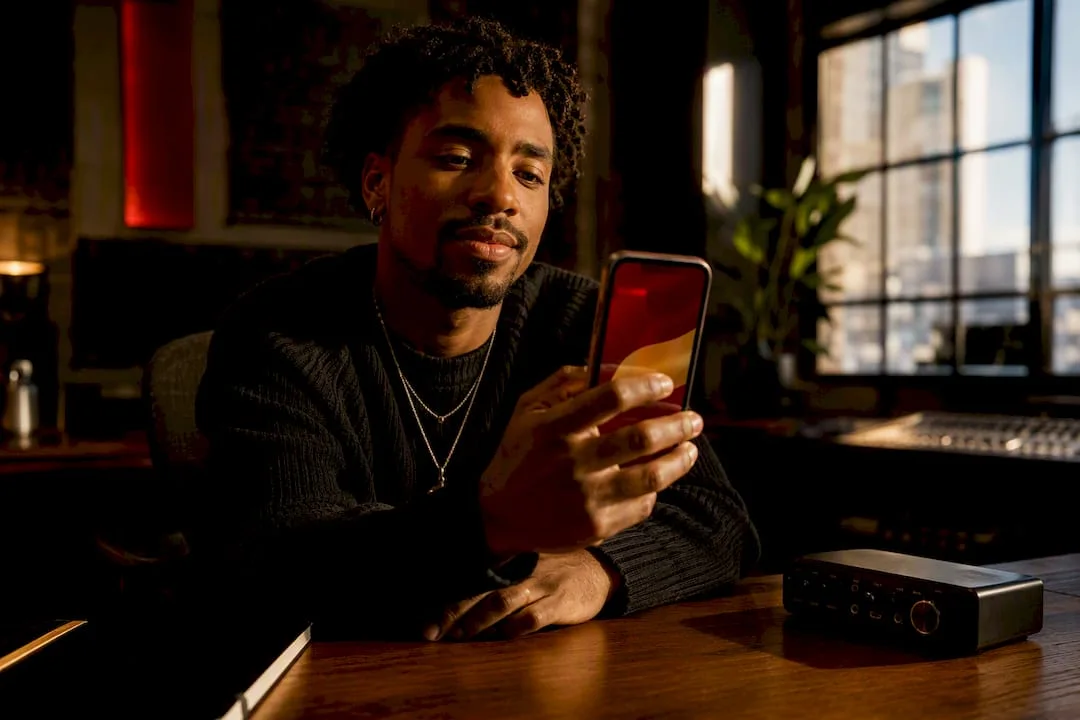
A music brand partnership is a collaborative arrangement where a company and an artist exchange visibility, funding, or licensing rights to reach a shared audience. For indie artists, the payoff is usually access: money, gear, or reach you couldn’t generate alone through streaming and touring. Pursue one when a brand’s audience already listens like your fans do.
TL;DR:
- Brand partnerships are more effective when targeting industries like audio, beverage, fashion, gaming, or wellness, which already engage with music marketing.
- Successful pitches require clear deliverables, audience overlap evidence, and proper lead time, with contracts detailing usage rights, exclusivity, and reporting expectations.
- Measuring partnership impact involves tracking impressions, engagement, conversions, and earned media, with honest reporting increasing chances for recurring deals.
- Partnerships should only be pursued if they align with your audience, creative capacity, and offer fair compensation, avoiding deals that could harm your artistic credibility.
What Are the Main Types of Brand Partnerships in Music?
Not every partnership looks the same, and matching the format to your goal matters more than chasing every open door. Some deals hand you cash. Others hand you a mentor, a mic, or a warm introduction to fifty thousand people who already care about how you sound.
- Sponsorship and tour support: cash grants tied to specific costs, like Tito’s “Sounds Better with Tito’s” program, which funds tour grants for independent musicians.
- Product sponsorships: gear instead of cash, as with AIAIAI’s annual sponsorship program, which gives roughly 200 artists studio or DJ headphones each year.
- Grant-style creator programs: application based, milestone reported. The Winamp Creators Program pays three selected artists $15,000 total, split into five monthly $3,000 payments, in exchange for visibility and reporting.
- Platform mentorship programs: Suno’s Spark program blends grants with promotional resources and mentorship while letting artists keep creative and commercial ownership of their work.
- Branded content and licensing: needle-drops, jingles, and co-created tracks built for a brand’s campaign rather than your next release.
- Experiential activations: festival stages, pop-up sets, or in-store performances that trade a live moment for brand exposure.
If you need runway to finish a tour, grants and sponsorships fit. If you need audience growth, platform programs and branded content usually do more work.
Why Do Brand Partnerships Matter for Indie Careers?
Streaming royalties and merch tables rarely cover a real career on their own. A well-matched partnership adds a revenue line that doesn’t depend on algorithmic mood swings, and it often opens doors that a booking agent alone can’t reach.
- Reach: a brand’s marketing budget can put your track in front of listeners your own promotion never could.
- Resources: gear, studio time, or cash relieves pressure that otherwise falls on your own pocket.
- Credibility: a recognizable brand name signals to industry gatekeepers that someone else has already vetted you.
The tradeoff is real. A partnership that clashes with your artistic identity can cost you more in fan trust than it pays you in cash. Industry commentary consistently points to authenticity and genuine fit as the deciding factor between a partnership that builds your career and one that quietly erodes it, a theme CampaignLive’s “seven rules” piece returns to again and again. Before signing anything, ask whether you’d use the product if there were no check attached. If the honest answer is no, your fans will sense it too, and that friction shows up in how listeners judge authenticity faster than any metric can measure.
Pro Tip:Screenshot every brand mention you’ve made organically before pitching. It’s the fastest proof of fit you can hand a marketing manager.
Where Should You Look for Brand Partners?
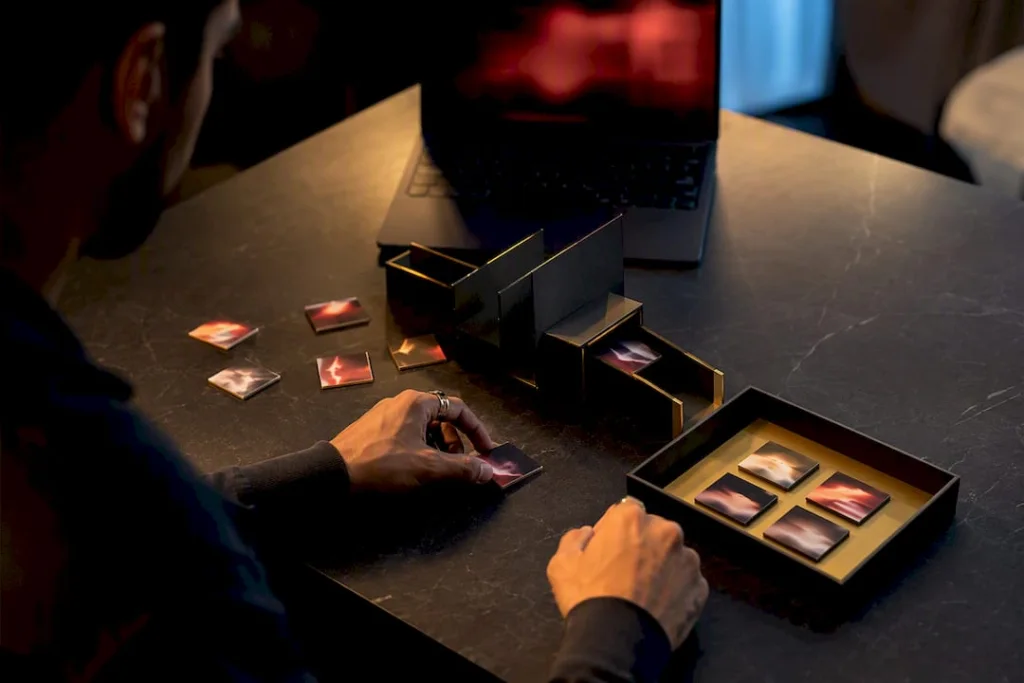
Certain industries chase music partnerships harder than others, and knowing which ones simplifies your entire prospecting list.
- Audio and instrument brands (headphones, DJ gear, pedals) want working musicians who genuinely use their products on stage and in the studio.
- Beverage and lifestyle brands fund tours and events because live music sells the mood they’re marketing.
- Fashion and apparel labels look for artists whose visual identity already matches their campaign aesthetic.
- Gaming and tech companies need soundtracks, streamers, and artists comfortable with digital-first audiences.
- Wellness brands partner with artists whose music fits calm, reflective, or self-care content.
Scout brand program pages directly, check platform marketplaces built into Spotify and TikTok, and review festival sponsor lists to see which companies already fund live music. LinkedIn searches for “artist partnerships” or “music marketing manager” at target companies often surface the actual decision maker. Before applying anywhere, check which artists the brand has partnered with previously, note the application window, and build in lead time. Digital platforms increasingly host these programs directly, which shortens the search but raises competition.
How Do You Pitch a Brand for a Partnership?
A brand doesn’t need your life story. It needs proof that your audience overlaps with theirs and a clear list of what you’ll deliver in return for their investment.
Your media kit should include:
- Audience demographics (age, location, top platforms)
- Engagement rate, not just follower count
- Two or three examples of past content or performances
- Press mentions or playlist placements, if you have them
- A specific, itemized list of deliverables
Lead time matters more than most artists assume. Tito’s program asks for at least one month’s notice on simple sponsorship requests and reviews event-based sponsorships two to three months ahead of the date. Build your outreach calendar backward from your event, not forward from today.
A deliverables matrix keeps expectations concrete on both sides:
| Content type | Measurable KPI |
|---|---|
| Single social post | Impressions, engagement rate |
| Exclusive track or remix | Streams, playlist adds |
| Branded video | Views, watch time, click-through |
| Live activation | Attendance, earned media mentions |
Pitch language should name the exchange plainly: “In exchange for tour support, I’ll deliver three Instagram Reels, one branded livestream, and a co-written track featuring your product placement, with weekly performance reports.” Turning your social metrics into that kind of specific offer is usually what separates a reply from a rejection.
What Should Go Into a Brand Partnership Contract?
Every contract needs the same backbone, regardless of deal size: scope of work, payment terms, usage rights, exclusivity, term and territory, and credit language. Get every one of these in writing before you deliver anything.
- Usage rights: know whether you’re licensing a needle-drop for a specific campaign or granting a full buyout that lets the brand use your music indefinitely, everywhere.
- Exclusivity clauses: understand whether signing locks you out of competing brands, and for how long.
- Moral clauses: check what happens to the deal, and your payment, if either party’s public conduct becomes a liability.
- Termination terms: know exactly what triggers an early exit and what you keep if it happens.
- Indemnity and deliverable acceptance: clarify who’s liable if content underperforms or gets flagged, and what counts as an “accepted” deliverable.
Keep your publishing and master rights unless the fee genuinely justifies giving them up. Log every email, invoice, and approval in one folder. Federal advertising guidance requires clear disclosure of any material connection between you and a brand in sponsored content, so confirm your disclosure language against federal regulations before you post anything.
Pro Tip:Ask directly whether the funds route through a nonprofit or grant intermediary rather than a direct brand budget. Reporting requirements often differ, and you don’t want to find out after the check clears.
How Do You Measure Whether a Partnership Worked?
Brands renew relationships with artists who can prove impact, not just artists who deliver content on time. Build your reporting habit before the campaign even starts.
- Track impressions and plays across every platform the content touched.
- Measure engagement, comments, saves, and shares, not just likes.
- Watch conversions: email signups, ticket sales, or merch purchases tied to a unique link or code.
- Note earned media: any press or influencer mentions the partnership generated organically.
- Compare against a simple benchmark, your own average post performance before the campaign began.
A short campaign report, even one page, showing these five numbers side by side does more to secure a second deal than any amount of follow-up charm. Brands remember artists who report honestly, including when numbers came in lower than hoped. That transparency, more than any single metric, is what turns a one-off sponsorship into a recurring relationship, and understanding your fan community’s behavior makes those numbers easier to explain.
What Does a Real Brand Deliverable Package Look Like?
Some companies work from the production side of these deals, building original music, cinematic visuals, and licensing packages that brands can plug directly into a campaign, as shown by platforms like Tellingbeatzz. That practitioner vantage point shapes a few negotiating habits worth borrowing.
- Frame fees around the specific deliverable (a licensed track, a visual asset, a branded video), not a vague “collaboration” line item.
- Ask for a defined reporting cadence in the contract itself, weekly during the campaign, and a final summary at close.
- Separate needle-drop licensing from a full buyout in the paperwork; they carry very different long-term value.
- Keep creative direction notes in writing so the brand’s ask and your delivered content never drift apart mid-project.
When Should You Actually Take the Deal?
Take a partnership when three things line up: the brand’s audience overlaps with yours, the deliverables fit inside your actual creative bandwidth, and the payment or resource justifies the time. Walk away when any one of those is missing, even if the check looks good on paper.
Short-term cash rarely outweighs long-term trust. The artists who keep landing bigger partnerships are the ones who said no early, protected their sound, and let each deal build toward the next.
— DRVVYN Sound
Ready to License Music or Build Brand-Ready Content?
Unlike a traditional licensing agency that locks you into long negotiation cycles, some companies work directly with brands and creators who need original music tracks, cinematic visuals, and branded content built for immediate use. There’s no agency layer slowing down your timeline, no vague “collaboration” language, just a clear licensing conversation about the deliverable you need. If you’re a brand looking to license a track or an artist exploring how licensing income fits your own partnership strategy, start by reviewing what’s available on DRVVYN Sound’s licensing profile. For artists still deciding which rights to keep versus license out, the breakdown on a needle-drop license is worth reading first. Reach out directly to discuss terms.
Sources
- Creators Program | Winamp for Creators
- Sounds Better with Tito’s – Tito’s Handmade Vodka
- AIAAI l Sponsorships
- Suno Spark
- Ecfr
FAQ
How Much Lead Time Do Brand Partnerships Require?
Most brands ask for at least one month’s notice for simple sponsorship requests, and two to three months for event-based reviews, based on guidance from Tito’s artist program.
Should I Charge a Flat Fee or Negotiate Per Deliverable?
Pricing per deliverable, one rate for a licensed track, another for a branded video, gives both sides clearer expectations than a single flat fee covering an undefined “partnership.”
Do I Have to Disclose a Paid Brand Partnership?
Yes. Federal advertising guidance requires clear disclosure of any material connection between you and a brand in sponsored posts or content.
What’s the Difference Between a Needle-Drop License and a Buyout?
A needle-drop license grants limited use for a specific campaign, while a buyout gives the brand broader, often indefinite rights to your music, which usually commands a higher fee.
Can DRVVYN Sound Help License My Music to Brands?
DRVVYN Sound offers licensing and creative production services for brands and artists; current details are available on its licensing profile page.